Welcome to Reed’s Home Solutions

RESIDENTIAL SERVICES · LEXINGTON, KY

Wall & Garage Insulation in Lexington, KY

Wall Insulation Contractors Serving Lexington

Walls make up a big share of your home’s surface area, so when they are under-insulated, a lot of heat gets through. Many Lexington homes, especially older ones, have walls with little insulation, settled insulation or none at all. The result is cold rooms along exterior walls, drafts, higher bills and a heating and cooling system that never quite catches up.

Reed’s Home Solutions adds insulation to existing walls throughout Lexington, KY and the surrounding Central Kentucky communities. In most cases we can do it without tearing out drywall, plaster or siding. We inspect your walls first, explain what we find and give you an upfront price before any work begins.

We also insulate garages, whether attached, detached or built under living space, so the rooms next to and above them stay comfortable.

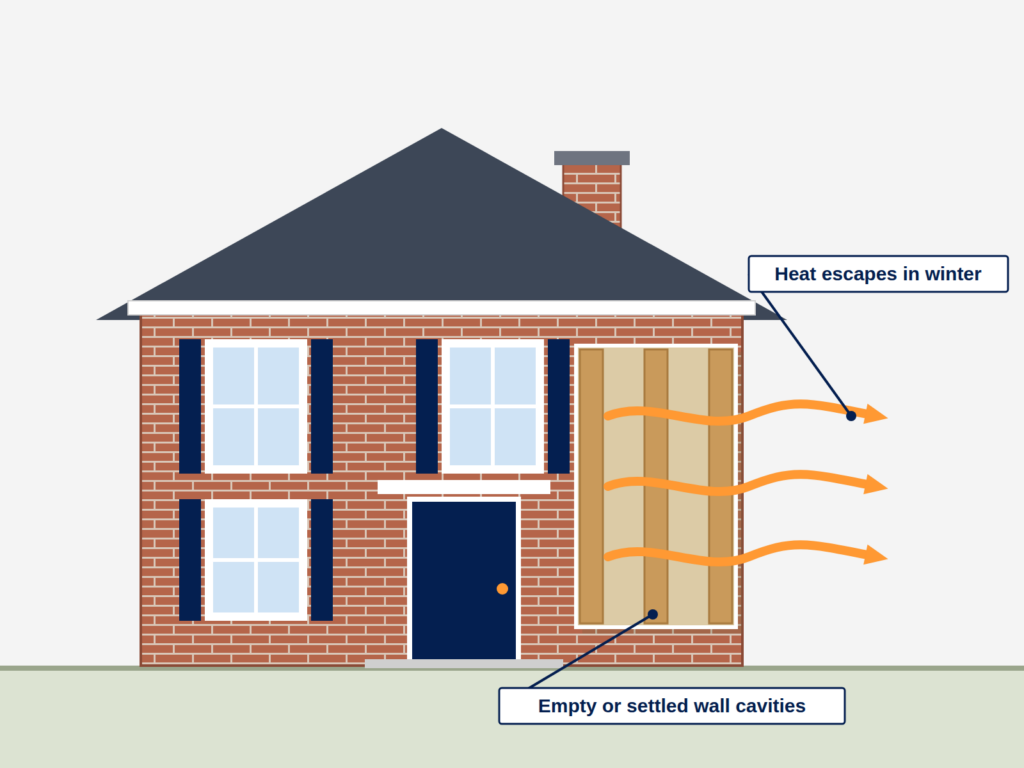
wall insulation graphic showing an empty wall, settled insulation and a fully dense packed wall of insulation.
Existing wall insulation process

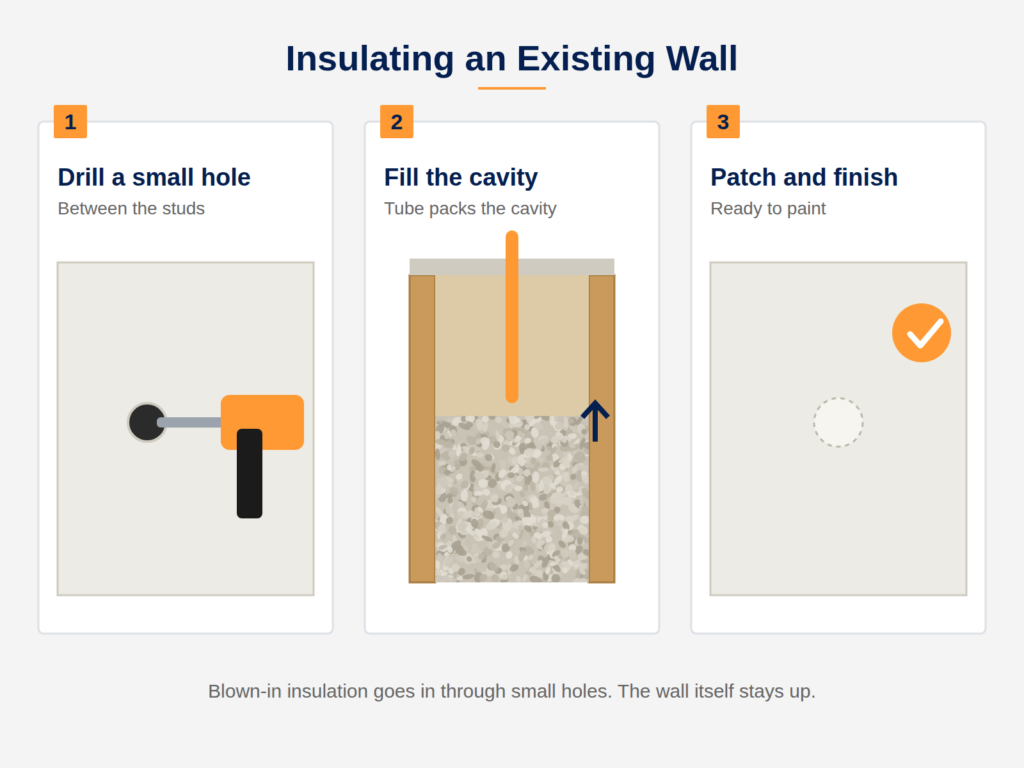
How We Insulate Existing Walls Without Tearing Them Out

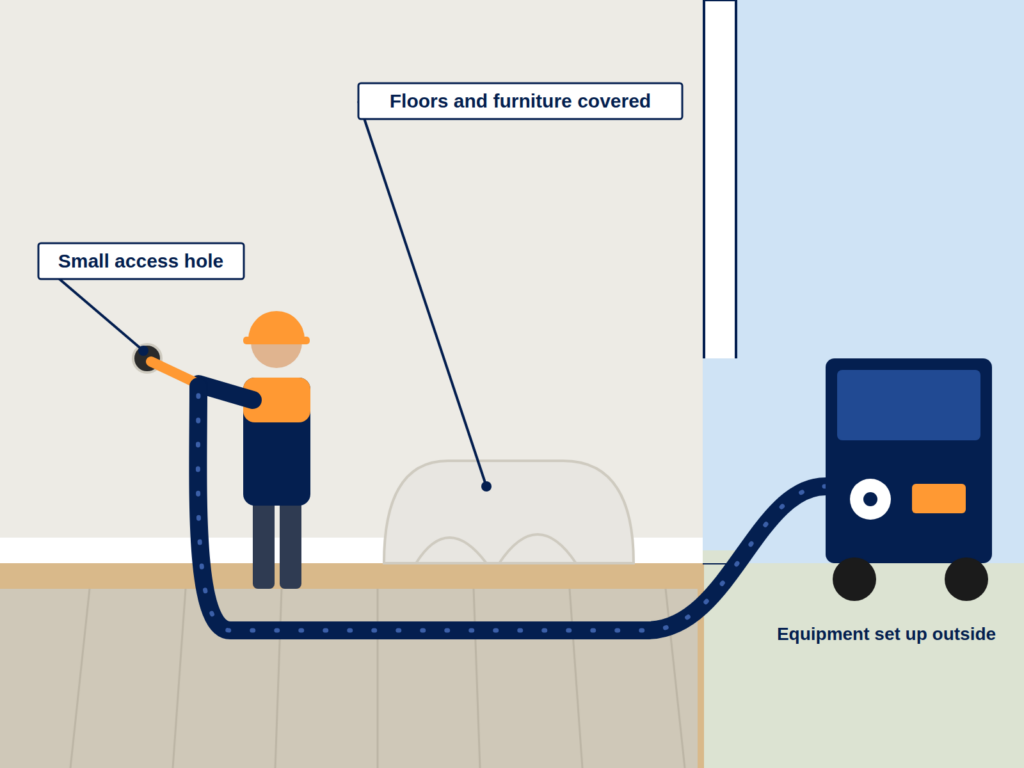
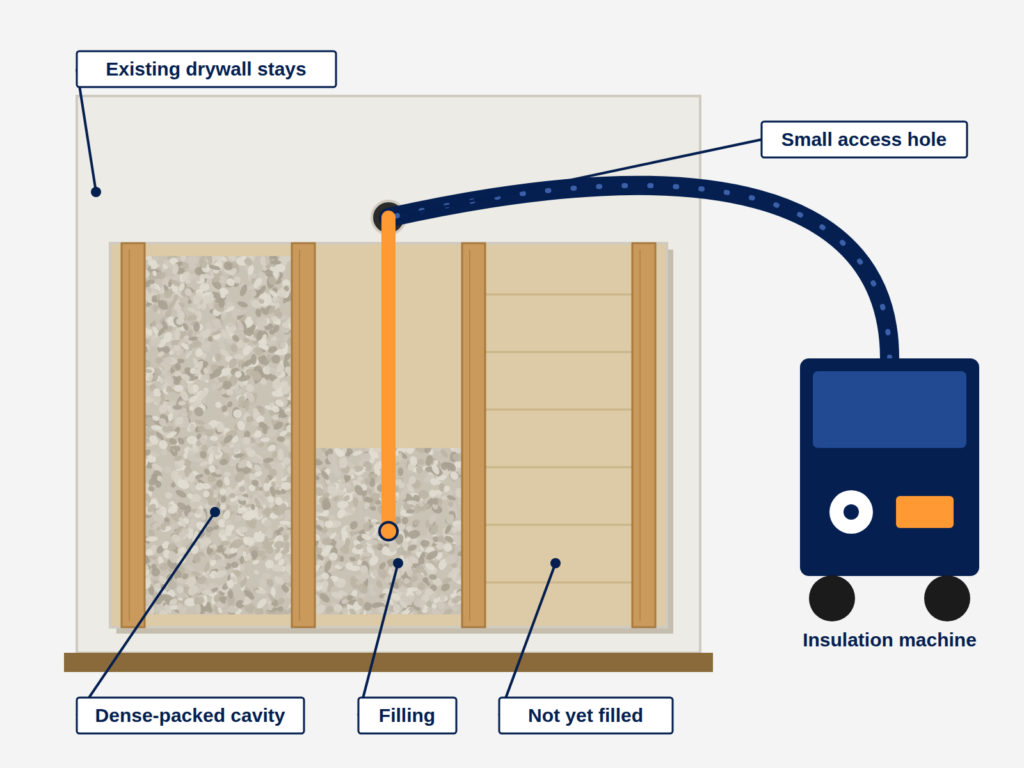
Retrofit wall insulation is done with blown-in material. Our crew drills small access holes, about one to two inches across, from the inside or the outside of the wall, then blows insulation into each cavity with specialized equipment. The material is packed to a dense, even fill so it does not settle, and the holes are patched when the job is done.

We use cellulose or fiberglass loose-fill depending on the wall and your preferences, at roughly R-3.2 to 3.8 per inch. Dense-packing fills gaps around wiring, plumbing and blocking that batts would miss.

For new construction, gut renovations and open stud walls, spray foam or batt insulation is installed before the drywall goes up. Our insulation team will tell you which approach fits your project.

Signs Your Lexington Walls Need Insulation

Common signs of under-insulated walls include these.

Garage Insulation in Lexington

A garage is often the leakiest part of a house. Garage walls, ceilings and doors are rarely insulated well, so the space swings with the weather, and that heat or cold moves into the rooms next to and above it. If you have a bonus room over the garage, you have probably felt it.

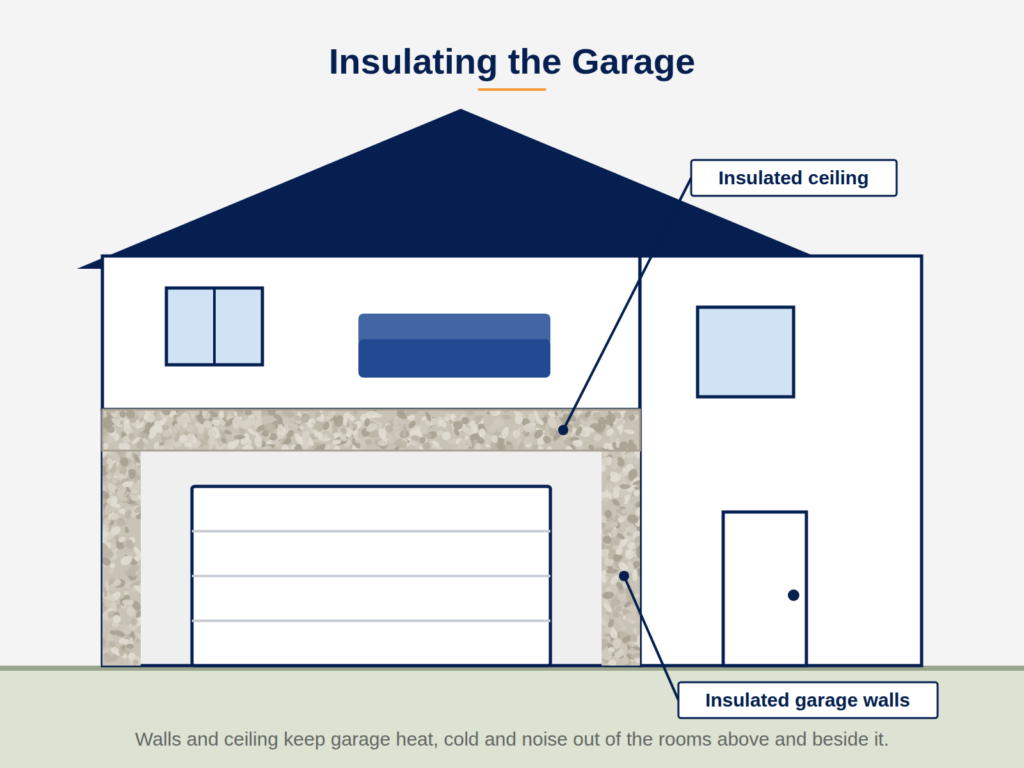
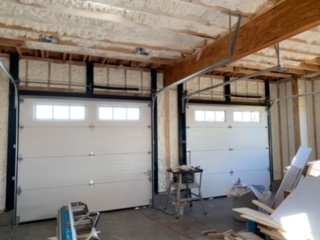
We insulate garage walls and ceilings with spray foam or blown-in insulation, depending on how the garage is built. Spray foam seals gaps along the sill, the framing and the attached wall to your house, while blown-in works well in closed cavities and over-garage ceilings. Insulating the garage also reduces the noise that reaches the house and helps the space be usable as a workshop or storage room.

If your garage has finished walls, we can usually dense-pack them through small access holes, the same way we do in the rest of your home.

Wall and Garage Insulation Options

Which insulation is right depends on whether the walls are open or closed and what you want the insulation to do.

Blown-In (Dense-Pack)

The standard approach for finished walls. It fills the cavity completely through small access holes and does not require removing drywall.

Spray Foam

Best for open walls, garage framing and any place where air leaks are a major concern. It insulates and air-seals in one step.

Batt

Fiberglass or mineral wool batts for open stud bays in new construction or a gut renovation.

Benefits of Wall and Garage Insulation

Insulating the walls and garage affects every room in the house.

How We Insulate Your Walls and Garage

Here is what to expect.

1

Inspection

We check the walls and garage, look for moisture and see what is already in the cavities.

2

Prep

We protect floors and furniture, locate the access points and prepare the equipment.

3

Install

We drill small access holes, dense-pack the cavities or apply spray foam, depending on the plan.

4

Patch and clean up

We patch the holes, clean up and check the finished work with you.

Why Older Lexington Homes Lose So Much Heat Through the Walls

Many of Lexington’s older homes were built before modern insulation standards, and their walls are either empty or have thin, settled insulation that no longer does its job. Even in newer homes, builders sometimes leave gaps and voids around wiring, plumbing and framing where heat escapes.

In winter, warm air moves through those gaps and the wall cools, which is why exterior walls can feel cold to the touch. In summer, the walls heat up in the sun and push that heat into the rooms. Either way, your heating and cooling system works harder than it should, and some rooms never feel right.

Filling the wall cavities fixes the problem at the source. It is also one of the less disruptive ways to improve a house, since most of the work is done from small access holes.

Insulating the Ceiling and Walls Around Your Garage

A bonus room or bedroom above a garage is one of the hardest rooms in a house to keep comfortable, because the floor is exposed to a space that follows the weather. Insulating the garage ceiling, and the walls the garage shares with your home, reduces how much heat and cold crosses that boundary.

For a finished garage ceiling, dense-packed blown-in insulation can fill the cavity without removing the drywall. Where the framing is open, spray foam seals gaps along the sill and framing at the same time. If you spend time in the garage as a workshop, a more stable temperature makes the space easier to use.

We will look at how your garage is built, what is above it and how you use it, and recommend the approach that fits.

What to Expect When We Insulate Your Walls

Wall insulation is one of the cleaner projects we do. Our crew protects your floors and furniture, sets up equipment outside, and drills the access holes in a pattern that gets to every cavity. Depending on your home, we may work from the inside, the outside or both.

When the cavities are full, we patch the holes so they are ready for you to paint or finish. If you have questions along the way, the crew can answer them on the spot. Most walls and garages are finished in a single day, and we confirm the timeline in your estimate.

Proven by Results, Recognized for Excellence

Get a Free Wall and Garage Insulation Estimate in Lexington

Our crews inspect your walls and garage, explain what they find and give you an upfront price.

Wall and Garage Insulation FAQs for Lexington Homeowners

Yes. We drill small access holes, about one to two inches across, blow insulation into the cavity and patch the holes afterward.

Dense-pack blown-in insulation, either cellulose or fiberglass, is the standard approach for finished walls because it fills the cavity completely without tearing anything out.

If your garage is attached or sits under living space, yes. It reduces the heat and cold passing into the house and makes the garage more comfortable.

Most walls and garages are finished in a single day. We give you a timeline with your estimate.

It can. Insulation can lower heating and cooling costs by up to 15%.

Yes. We offer flexible financing options. Ask about them during your free estimate, or see our financing page.

We patch the access holes when we finish so they are ready for paint or finishing.

We will tell you before we start what needs to be moved and protect everything else.

Insulation helps dampen outside noise, which many homeowners notice in rooms along busy streets or next to the garage.

Areas We Serve

Reed’s Home Solutions insulates walls and garages in Lexington and throughout Central Kentucky.

Scroll to Top