Welcome to Reed’s Home Solutions

Basement Waterproofing

Basement & Foundation Crack Repair

We Fix Basement & Foundation Cracks

Not every basement crack means the same thing. Some cracks leak water without threatening the wall itself; others — stair-step patterns, walls bowing inward, cracks that keep widening — are warning signs of a structural problem. Reed’s Home Solutions diagnoses which kind of crack you have before recommending a repair, so you get the right fix instead of a one-size-fits-all patch.

We repair both leaking, non-structural cracks and structural cracks that need reinforcement, using injection and stabilization methods proven across decades of foundation repair work throughout Kentucky, Tennessee, Virginia, and West Virginia.

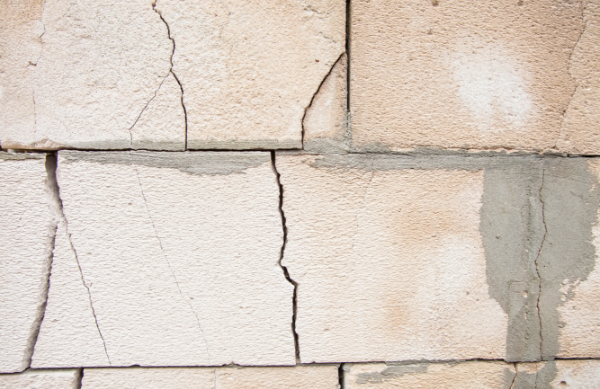
foundation crack repair

Two Kinds of Crack Repair

Your specialist identifies which category your crack falls into during your free inspection — many homes only need one of the two.

Leaking Crack Repair

  • Polyurethane foam injection, which expands to fill the crack and creates a flexible, waterproof seal
  • Epoxy resin injection for structural bonding when the crack needs strength as well as a water seal
  • An interior approach that requires no excavation — the injection is done from inside the basement
  • Repairs typically completed in just a few hours, not days
  • Stops the “whack-a-mole” pattern of chasing the same leak after every heavy rain

Structural Crack Repair

  • Professional foundation assessment and crack analysis to identify the underlying cause
  • Epoxy injection repair to structurally bond the crack, not just seal it
  • Carbon fiber reinforcement systems to stabilize walls showing stress from the crack
  • Underpinning or foundation stabilization when settlement is driving the cracking
  • Grout injection to fill voids beneath or behind the foundation
  • Warrantied repairs that meet local building code

Signs You Need Crack Repair

What Happens During Your Crack Repair

Every crack repair starts with an honest diagnosis — here’s what the process looks like from inspection to finished repair.

Inspection & Diagnosis

  • A specialist examines the crack’s pattern, width, and location on the wall
  • We check for related signs — bowing, stair-stepping, or moisture — that indicate whether it’s structural
  • You get a plain-language explanation of what’s causing the crack, not just a repair quote
  • The recommended repair method is explained before any work begins

The Repair Itself

  • Ports are set along the length of the crack to allow injection material to reach its full depth
  • Polyurethane or epoxy is injected under pressure, filling the crack from the inside out
  • For structural cracks, carbon fiber straps or reinforcement are applied to stabilize the wall
  • The work is completed from inside the basement in most cases, without excavation or major disruption

Why Crack Injection Instead of Excavation?

For most leaking cracks, injection resolves the problem without the cost or disruption of digging up the yard.

What Crack Repair Pairs With

Sealing a crack stops that specific leak, but if your basement is taking on water more broadly, crack repair is often paired with a French draininterior waterproofing, or a sump pump to manage the water your foundation is exposed to. If a crack is connected to broader settlement or bowing, it may also indicate you need foundation repair — we’ll tell you plainly which applies to your home.

Proven by Results, Recognized for Excellence

Got a Crack That's Leaking or Growing?

Free, no-obligation crack inspections across Kentucky, Tennessee, Virginia & West Virginia — plus flexible financing to help make the fix more manageable.

Crack Repair FAQs

Polyurethane foam injection creates a flexible, waterproof seal and is generally used for leaking, non-structural cracks. Epoxy resin injection creates a rigid, structural bond and is used when the crack needs strength restored, not just a water seal. Your specialist recommends the right material after inspecting the crack.

Usually not. Leaking crack repair is typically done entirely from inside the basement through injection, with no excavation required — and repairs are typically completed in just a few hours.

Warning signs include stair-step cracking in block or brick walls, a wall bowing inward near the crack, or a crack that keeps widening over time. A hairline crack that isn’t leaking or growing is usually not structural — but a professional assessment is the only way to know for certain.

A properly injected crack — filled completely and bonded correctly — typically does not reopen at the same location. If a previously patched crack has reopened, it usually means the original repair didn’t fully fill the crack or address the underlying cause.

Yes — our structural crack repairs are warrantied and completed to meet local building code. We’ll review the specific coverage with you before any work begins.

A hairline crack that isn’t leaking or growing may not be urgent, but it’s worth having assessed — some cracks that look minor are early indicators of a larger settlement or drainage issue. A professional inspection tells you which category your crack falls into before it becomes a bigger, more expensive repair.

Cost depends on the crack’s length, whether it’s leaking or structural, and whether reinforcement like carbon fiber is needed. Because every crack is different, we provide a specific estimate after inspecting your foundation rather than quoting a flat rate over the phone.

Areas We Serve

We provide crack repair throughout Kentucky, Tennessee, Virginia, West Virginia, and surrounding areas. See below for additional communities we serve for foundation and basement crack repair.

Scroll to Top