Welcome to Reed’s Home Solutions

Basement Waterproofing

Whole-Home Dehumidifier Installation

Even a basement with no active leaks can stay damp enough to cause problems — musty odors, mold growth, and rot in framing and stored belongings all thrive above roughly 55% relative humidity. A whole-home dehumidifier installed in your basement controls moisture in the air itself, not just water on the floor, which is why it’s often the final piece after waterproofing work is complete.

Reed’s Home Solutions installs whole house dehumidifier systems sized to your basement’s square footage and moisture load throughout Kentucky, Tennessee, Virginia, and West Virginia — a permanently plumbed system, not a portable unit you empty by hand.

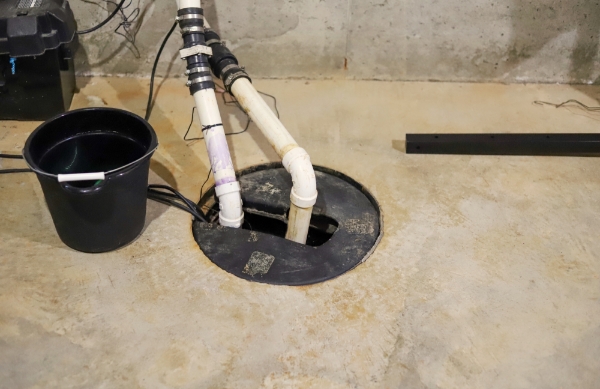
Sump Pump Installation Services for Basement Waterproofing

What's Included in Whole House Dehumidifier Installation

System Sizing & Installation

  • Assessment of your basement’s square footage and moisture load to size the unit correctly
  • Installation of a whole-home dehumidifier built for continuous, unattended operation
  • Direct plumbing to a drain or your existing sump pump, so the unit never needs to be emptied by hand
  • Placement designed to maximize airflow across the entire basement, not just one corner
  • Warrantied installation with maintenance options available

Why It's Different From a Portable Unit

  • A whole-home system moves far more air volume than a portable dehumidifier, covering the entire basement instead of one room
  • Continuous operation with a direct drain line — no bucket to empty or forget about
  • Built to run reliably in a basement environment, not a consumer unit meant for a bedroom or living space
  • Works alongside your existing waterproofing and sump pump system as one complete moisture-control solution

Why Homeowners Add a Whole House Dehumidifier

Signs Your Basement Needs a Whole-Home Dehumidifier

High humidity causes damage on its own timeline, often before it’s obvious there’s a problem — here’s what to watch for.

What You'll Notice

  • A persistent musty smell, even after cleaning or airing the space out
  • Condensation on pipes, windows, or the foundation walls
  • Visible mold or mildew on stored items, framing, or wall surfaces
  • A “clammy” or heavy feeling in the air, especially in summer months

What It's Doing to Your Home

  • Wood framing and subfloor can begin to rot or warp under sustained moisture exposure
  • Stored belongings — boxes, furniture, electronics — are at ongoing risk of moisture damage
  • High humidity can migrate upward, affecting air quality in the rest of the home
  • Mold spores triggered by damp conditions can affect indoor air quality and allergies

Dehumidifier, or Do You Have a Water Problem First?

A dehumidifier controls humidity in the air — it isn’t a substitute for fixing an active water intrusion problem.

When a Dehumidifier Is (and Isn't) the Right Fix

If your basement has standing water, active leaks, or a wall that’s visibly wet, a dehumidifier alone won’t solve it — you likely need interior waterproofing, a French drain, or a properly sized sump pump first. A whole-home dehumidifier is the right fit once those water sources are under control and what’s left is humidity in the air itself — which is exactly why it’s often the final step in a complete waterproofing project.

Proven by Results, Recognized for Excellence

Basement Feeling Damp or Musty?

Free, no-obligation basement humidity assessments across Kentucky, Tennessee, Virginia & West Virginia — plus flexible financing to help make the fix more manageable.

Dehumidifier Installation FAQs

A whole-home dehumidifier moves far more air volume and is plumbed directly to a drain or sump pump, so it runs continuously without ever needing to be emptied. A portable unit covers a single room at best and needs constant attention to keep running.

Often, yes. A sump pump removes water that’s already collected, but it doesn’t control humidity in the air — a basement can stay damp enough for mold and musty odors even with a working sump pump. The two work together, not as substitutes for each other.

Most specialists recommend keeping basement relative humidity below roughly 55% to discourage mold growth and musty odors. A whole-home dehumidifier is sized to maintain that range continuously rather than requiring you to monitor and adjust it.

If the odor is caused by ambient humidity rather than an active leak or mold that’s already established, a properly sized whole-home dehumidifier typically resolves it over time. If the smell persists after installation, it often points to a water source that needs to be addressed separately.

Sizing depends on your basement’s square footage and how much moisture it’s currently dealing with, not a one-size-fits-all number. We assess both during your free inspection and recommend a unit sized to keep up with your specific space rather than an undersized system that runs constantly and still falls behind.

Yes — our whole-home dehumidifier installations are backed by a warranty on workmanship, and we offer maintenance options to help keep the system running efficiently year after year.

Areas We Serve

We provide dehumidifier installation as a part of our basement waterproofing services throughout Kentucky, Tennessee, Virginia, West Virginia, and surrounding areas.

Scroll to Top