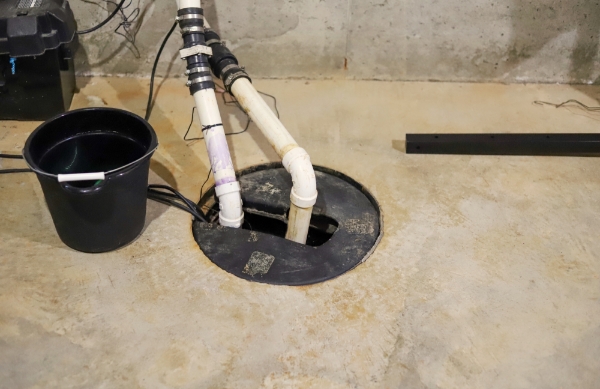
Sump Pump Installation
A sump pump is the last line of defense between water collecting in your basement and water staying out of it — and it only works if it’s sized correctly for how much water your foundation actually deals with. Reed’s Home Solutions installs and replaces sump pump systems throughout Kentucky, Tennessee, Virginia, and West Virginia, matched to your basement’s real drainage load rather than a generic off-the-shelf unit.
Whether you’re installing a sump pump for the first time, replacing an aging or undersized unit, or adding battery backup so a power outage doesn’t leave your basement unprotected, we size and install the system around your home’s actual needs.

Built for Real Capacity, Not Just a Number on the Box
Our sump pump systems are sized to move water fast — here’s what that looks like in real terms.
What's Included in Sump Pump Installation
New Installation
- Assessment of your basement’s water volume and drainage patterns to size the pump correctly
- Sump basin installation sized and sealed for your foundation
- High-capacity pump rated for 68–100 GPM and up to 30 feet of head, matched to your home’s needs
- Discharge line routed away from the foundation, so pumped water doesn’t just recirculate back in
- Integration with your French drain or interior drainage system, where present
Replacement & Battery Backup
- Removal and replacement of an aging, undersized, or failing sump pump
- Upgrade to a correctly sized unit if your current pump can’t keep up during heavy rain
- Battery backup system so your basement stays protected during a power outage — often when storms are most likely to cause flooding
- Alarm and monitoring options to alert you before a pump failure becomes a flooded basement
- Warrantied installation with routine maintenance available
Why Homeowners Choose Our Sump Pump Systems
- Sized to your actual water load — not a generic unit that struggles during the heaviest rain events of the year.
- Pairs with your existing drainage — French drains and interior waterproofing systems tie directly into the sump basin.
- Warrantied installation with maintenance options to keep the system running reliably for years.
- Battery backup keeps working when the power doesn't — protection that a standard pump alone can't offer.
- Reduces the risk of basement flooding during storms, snowmelt, or sustained groundwater pressure.
- Free inspection first — we assess your basement's actual needs before recommending a pump size.
Signs Your Sump Pump Needs Attention
A sump pump problem often stays hidden until the moment you need it most — watch for these warning signs.
- The pump runs constantly, even during dry weather — a sign it may be undersized, failing, or stuck in a cycle.
- Water pools near the pit during heavy rain despite the pump running, a sign it can't keep up with the volume.
- There's no battery backup installed, leaving your basement unprotected the moment the power goes out.
- You hear grinding or rattling noises from the pit, often a sign the impeller or motor is wearing out.
- The pump is more than several years old and has never been inspected or serviced.
- The discharge line is cracked, disconnected, or draining back toward the foundation instead of away from it.
Sump Pump, or Does Your Basement Need More?
A sump pump removes water that’s already collected — it works best as part of a complete drainage system.
Pairing Your Sump Pump With Drainage
A sump pump handles water that reaches the pit, but a French drain reduces how much water gets there in the first place, and interior waterproofing or exterior waterproofing addresses water entering through the walls rather than the floor. If you’re seeing high humidity even after your sump pump is in place, a whole-home dehumidifier may be the missing piece. We’ll walk through which combination fits your basement during your free inspection.
Proven by Results, Recognized for Excellence
Is Your Sump Pump Keeping Up?
We offer sump pump inspections across Kentucky, Tennessee, Virginia & West Virginia — plus flexible financing to help make the fix more manageable.
Sump Pump FAQs
What size sump pump does my basement need?
It depends on how much water your foundation actually handles — the size of your lot, your soil type, your grading, and whether you already have a French drain feeding the pit. Our specialists calculate the right flow rate and head capacity during your free inspection instead of guessing.
What happens to my sump pump during a power outage?
Without backup power, a standard sump pump stops working the moment the power goes out — often during the same storms most likely to flood your basement. A battery backup system keeps the pump running through an outage, which is why we recommend it for most installations.
How do I know if my current sump pump is undersized?
Common signs include water pooling near the pit during heavy rain even though the pump is running, a pump that cycles constantly, or a pump that’s audibly straining. If your basement floods during storms despite having a working pump, it’s often a capacity issue rather than a broken pump.
How often does a sump pump need to be replaced?
Most sump pumps last several years under normal conditions, but lifespan depends heavily on how much water it’s moving and how well it was sized in the first place. An undersized pump that’s constantly straining wears out faster than a correctly sized one.
Is sump pump installation covered by a warranty?
Yes — our sump pump installations are backed by a warranty, and we offer ongoing maintenance to help the system keep running reliably. We’ll review the specific coverage with you before installation.
Should I have my sump pump inspected even if it seems to be working?
Yes — many sump pump failures aren’t obvious until the pump is actually needed during a heavy storm. A routine inspection checks the pump’s capacity against your basement’s current water load, the condition of the discharge line, and whether your battery backup is functioning, catching problems before they become a flooded basement.
Areas We Serve
We provide sump pump installation throughout Kentucky, Tennessee, Virginia, West Virginia, and surrounding areas. See below for additional communities we serve for basement waterproofing.