Crawl Space Vapor Barrier Installation in Lexington, KY
Crawl Space Vapor Barrier Installation for Lexington Homes
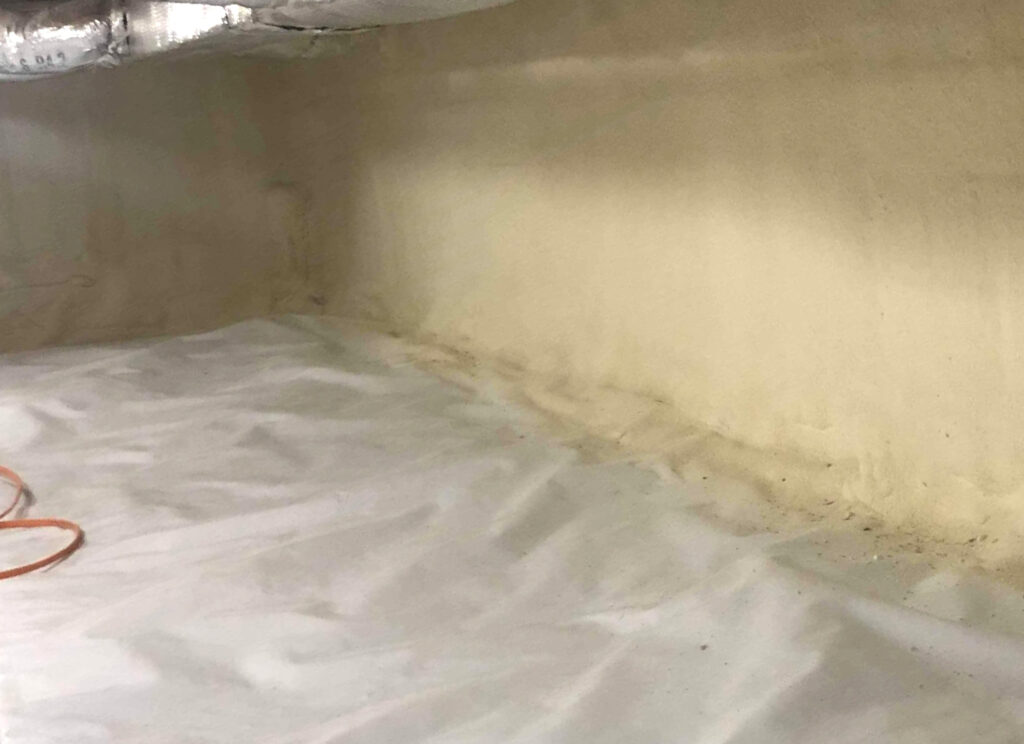
A crawl space vapor barrier is a heavy plastic sheet that covers the dirt floor and stops ground moisture from rising into your home. In Lexington, KY, the soil under a house stays damp long after a spring storm, and that moisture evaporates upward all summer. Without a barrier, it drifts into the framing, the insulation and the air you breathe upstairs.
Reed’s Home Solutions installs crawl space vapor barriers across Lexington and Fayette County. A crew inspects the whole space first, so you learn whether a barrier alone is enough. The inspection is free and carries no obligation.
What Goes Into a Proper Crawl Space Vapor Barrier in Lexington, KY
The material and the installation both matter. A good sheet installed badly still leaks.
The Material
We use 10 to 20 mil reinforced polyethylene, not thin 6-mil liners. The reinforcement resists punctures from rocks and foot traffic. A perm rating of 0.1 or lower makes it a Class 1 vapor retarder, so almost no moisture passes through.
The Installation
The sheet covers the whole floor and runs up the foundation walls and around the piers. Seams are overlapped and sealed, and every penetration around plumbing and ductwork is sealed too. Gaps are where ground moisture gets back in.
How We Install a Crawl Space Vapor Barrier, Step by Step
A typical job follows this order. Your estimate sets out the schedule.
Inspect and measure
We check the floor, walls, piers, vents and access door, and note any standing water.
Clear the floor
Debris, sharp rocks and old, torn plastic come out so nothing punctures the new sheet.
Lay the barrier
The polyethylene is rolled out in sections, trimmed around obstacles and pulled tight to the soil.
Run it up walls and piers
The sheet extends up the walls and wraps each pier, closing off the edges where moisture creeps past.
Seal seams and penetrations
Overlaps are sealed, not just laid on top of each other, and we seal around pipes, ducts and wiring.
Signs Ground Moisture Is a Problem in Your Lexington Crawl Space
Most homeowners never see the crawl space, so the first clues show up inside the house.
- A musty smell, often strongest near floor vents and the lowest rooms.
- Cold floors in winter, because damp air and damp insulation hold the chill.
- Condensation or wet soil, such as beads of water on ducts and pipes or a dark, damp dirt floor.
- Crawl space mold on joists and the subfloor.
- Wood rot, sagging floors or soft spots, a late warning that framing has been wet for a while.
- Pests, since termites, insects and rodents like damp, dark spaces.
These signs usually come from humid air and ground moisture working together, often with open vents or torn old plastic. If you can see standing water in the crawl space instead of damp soil, that is a drainage problem, and our crawl space waterproofing page covers it.
Why Lexington Crawl Spaces Take On So Much Ground Moisture
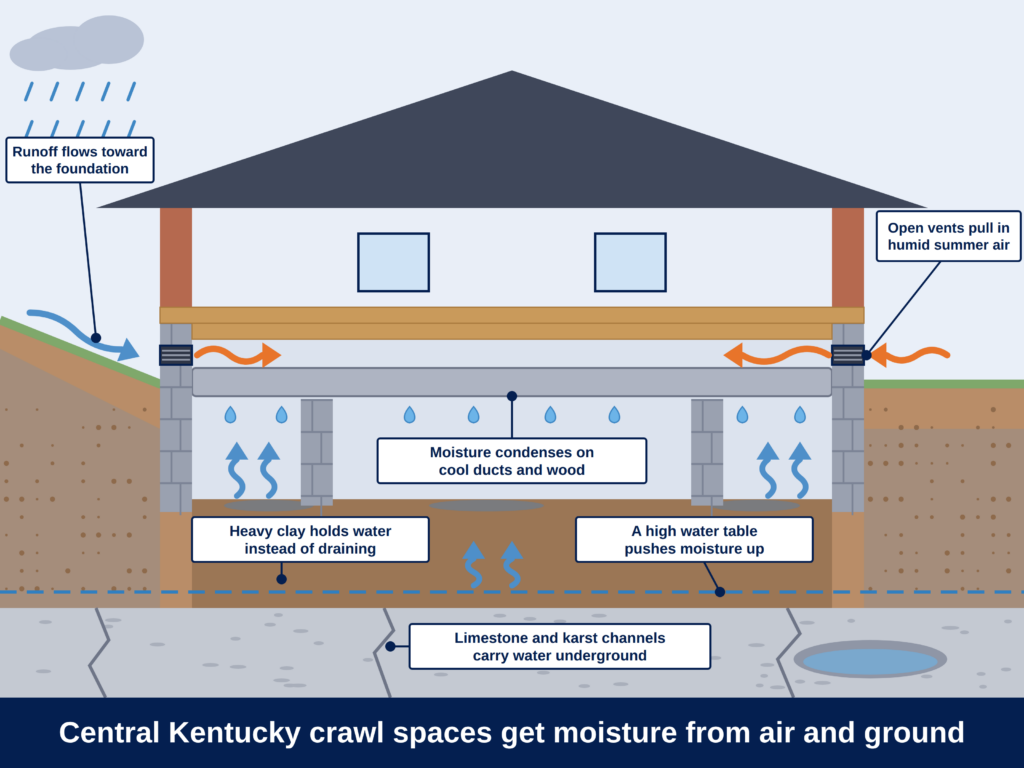
Central Kentucky sits on limestone bedrock with clay soil above it. Clay holds water instead of draining it away, and after heavy spring rain the water table can rise close to the bottom of a foundation. Karst features in the limestone also move water through the ground in ways that vary from one lot to the next.
Many older Lexington homes sit on block or stone foundations with piers, and plenty were built with open vents and bare dirt floors. Even damp ground without a puddle gives off water vapor every day, and a barrier is the simplest way to stop it.
What a Properly Installed Crawl Space Vapor Barrier Delivers
A barrier will not fix every problem, but it handles the most common one well.
Drier Framing
With the ground sealed off, joists and subfloor stop soaking up vapor, which slows mold and wood rot.
A Less Musty House
Less moisture below means fewer musty odors drifting into your living area.
A Cleaner Space
A covered floor is easier to inspect and less inviting to pests.
Protected Insulation
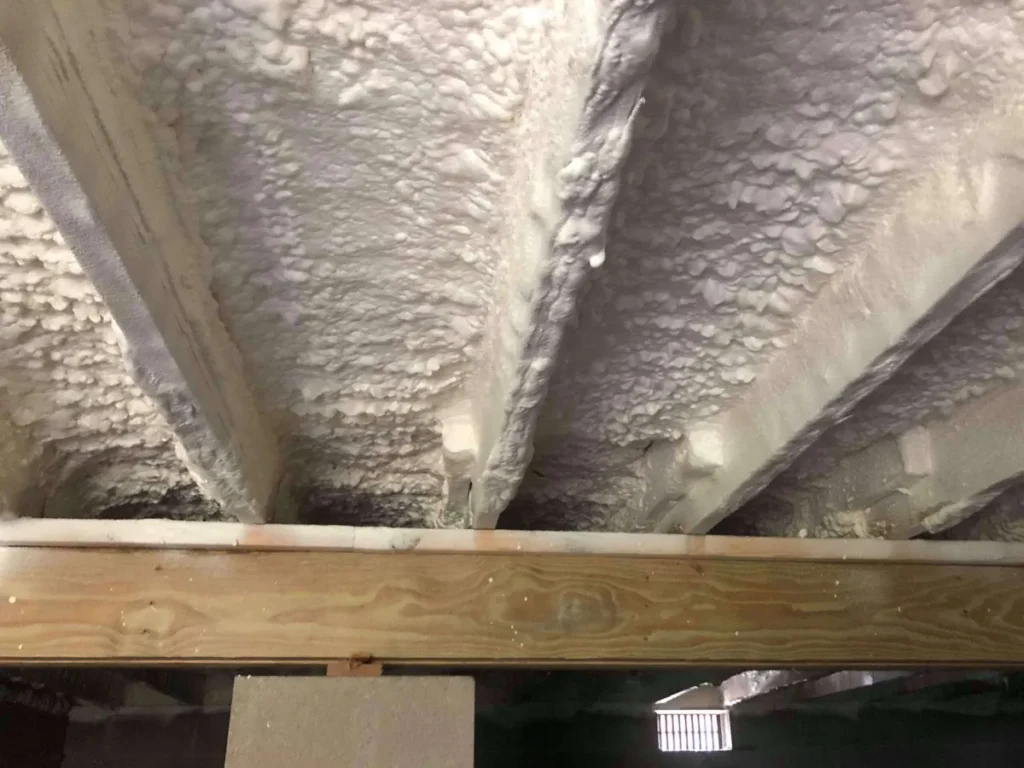
Insulation stays drier and keeps working, so floors feel warmer.
A Base for Upgrades
A sealed floor is the starting point for drainage, a dehumidifier or full encapsulation.
Confidence
You know the barrier was sealed, not just laid down.
Why a Crawl Space Vapor Barrier Matters for the Rest of Your House
The crawl space feels separate, but air moves between it and your living space all the time.
- Air rises. The stack effect pulls crawl space air upstairs, along with odors, humidity and spores.
- Wood must stay dry. Damp joists invite rot, and rot is costly to repair.
- Mold needs moisture. Cut the source and you remove what it needs to spread.
Encapsulation vs. Vapor Barrier: Which Crawl Space Fix Fits Your Home?
Here is how the three main options compare.
Vapor barrier
Encapsulation
Waterproofing
Main job
Vapor barrier
Blocks ground moisture
Encapsulation
Seals the space from soil and outside air
Waterproofing
Manages liquid water
Covers
Vapor barrier
Floor, plus walls and piers
Encapsulation
Floor and walls, 30-mil barrier
Waterproofing
Floor liner plus drainage
Vents
Vapor barrier
Usually left as they are
Encapsulation
Closed and air-sealed
Waterproofing
Depends on the system
Dehumidifier
Vapor barrier
Not in the basic job
Encapsulation
Included
Waterproofing
Included where needed
Best for
Vapor barrier
Damp soil, no standing water
Encapsulation
Humidity, odors, comfort
Waterproofing
Standing water, seepage
Vapor Barrier Alone, or Something More?
- A barrier alone fits damp soil, no standing water and humidity that mostly comes from the ground.
- Waterproofing fits a crawl space that collects water after storms. A sheet cannot solve a drainage problem.
- Encapsulation fits homes that want year-round humidity control and closed vents.
Matching the Fix to the Problem
A thin or poorly sealed barrier is the most common reason a crawl space stays damp. We find the water source first, then recommend the smallest fix that works. For the full system, read about crawl space encapsulation in Lexington.
Sealed vs. Vented Crawl Space: Vents, Access Doors and Your Barrier
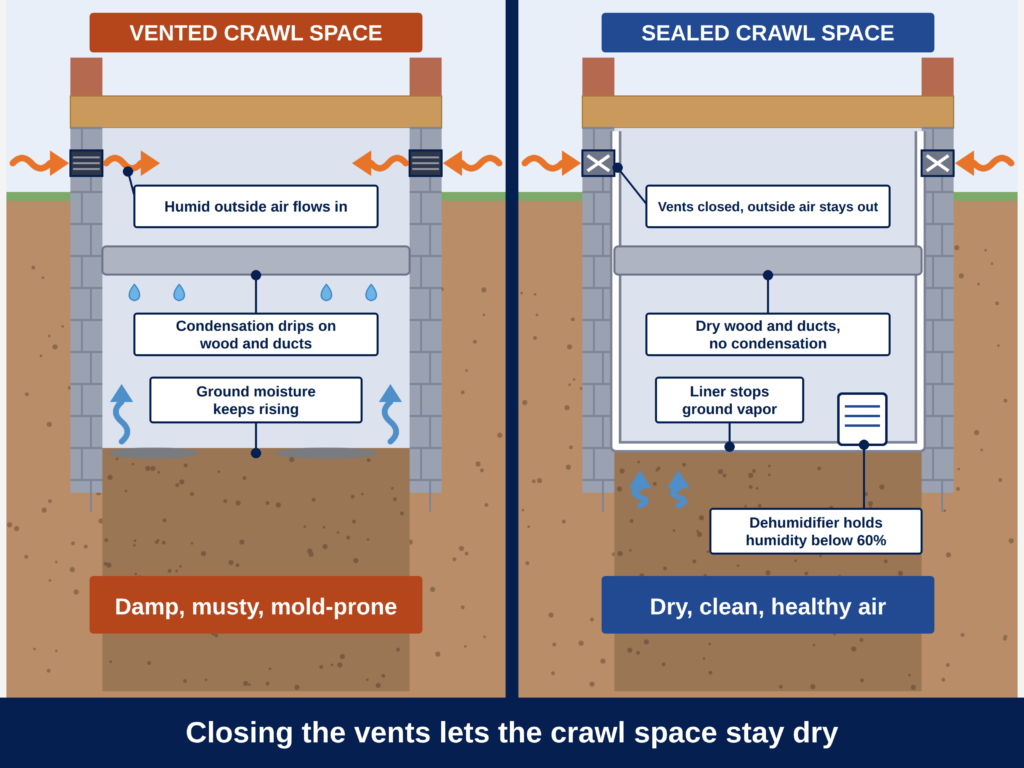
Crawl space vents were built into older homes on the theory that outside air would dry the space out. In Kentucky’s humid summers, the opposite often happens. Warm, wet air enters, meets cool pipes and framing, and condenses.
A barrier on the ground cuts moisture from below but does not change how the vents behave. If vents drive your humidity, sealing them is part of full encapsulation. We check the access door too, because a warped or rotted door lets in moisture and pests, and we recommend replacing it only when it is not doing its job.

What Affects Crawl Space Vapor Barrier Cost in Lexington?
We do not publish one number because crawl spaces vary widely. These factors shape your estimate.
- Size. More square footage means more material and labor.
- Material grade. A reinforced Class 1 sheet costs more than a thin liner and lasts longer.
- Walls and piers. More cutting and sealing takes more time.
- Access and penetrations. Tight entries and many pipes and ducts slow the crew.
You get a written price after the free inspection. To spread the cost out, ask about our financing options when we meet.
Pairing Your Vapor Barrier With Other Lexington Services
A barrier often works best as one piece of a larger plan. Once the floor is sealed, crawl space insulation keeps the floor above warmer and stays drier too.
If you see cracks, sticking doors or sloping floors, the moisture may be tied to the foundation, so ask about foundation repair. A damp basement can be inspected in the same visit by our basement waterproofing team. Where mold is already established, our mold remediation page explains the next step.
Proven by Results, Recognized for Excellence
Damp Crawl Space or Musty Smell in Your Lexington Home?
Book a no-cost, no-pressure inspection. We will look at the soil, vents and framing, explain what is happening and give you a written estimate. Call (877) 353-8081 or send a request online.
Crawl Space Vapor Barrier FAQs for Lexington Homeowners
How thick should a crawl space vapor barrier be?
We install 10 to 20 mil reinforced polyethylene. Thin 6-mil sheeting tears easily and rarely lasts, while reinforced material resists punctures and holds up when technicians crawl across it.
Is a vapor barrier the same as encapsulation?
No. A barrier covers the ground to stop moisture coming up. Encapsulation seals floor and walls with a 30-mil barrier, closes the vents and adds a dehumidifier, drainage and insulation.
Do I still need a crawl space dehumidifier if I have a vapor barrier?
Maybe. Humid air can still enter through vents and the access door. If humidity stays high after the barrier goes in, a dehumidifier is the next step, and the target is below 60%.
Will a vapor barrier help with cold floors?
It can, since damp air and wet insulation make floors feel colder. Floors usually warm up more when the barrier is paired with crawl space insulation.
Are the seams sealed or just overlapped?
Sealed. Overlapping alone leaves paths for moisture, so we seal seams and the edges where the sheet meets walls, piers and pipes.
How is the barrier installed around ductwork and plumbing?
We cut the sheet to fit around every pipe, duct and pier, then seal each penetration. Those are the spots where a rushed job usually fails.
What if my crawl space has standing water?
A barrier alone will not solve standing water in a crawl space. You need drainage, and often a sump pump, so the water has somewhere to go. We explain which approach fits.
Areas We Serve
Reed’s Home Solutions installs crawl space vapor barriers in Lexington and throughout Central Kentucky.