Welcome to Reed’s Home Solutions

RESIDENTIAL SERVICES · LEXINGTON, KY

Blown-In Insulation in Lexington, KY

Blown-In Insulation Contractors in Lexington

Blown-in insulation is one of the most practical ways to improve a Lexington home’s comfort and energy efficiency. It is installed with specialized equipment that blows loose-fill material into attics, existing walls and hard-to-reach spaces, filling around joists, wires and pipes. In most cases it can be done without tearing out drywall, plaster or siding.

Reed’s Home Solutions installs blown-in insulation throughout Lexington, KY and the surrounding Central Kentucky communities. We inspect your home first, measure what is there, explain what we recommend and give you an upfront price before any work begins.

Blown-in insulation is the best fit for adding depth to an under-insulated attic and for filling the walls of older homes that were never insulated properly. Most attics, walls and garages are finished in a single day.

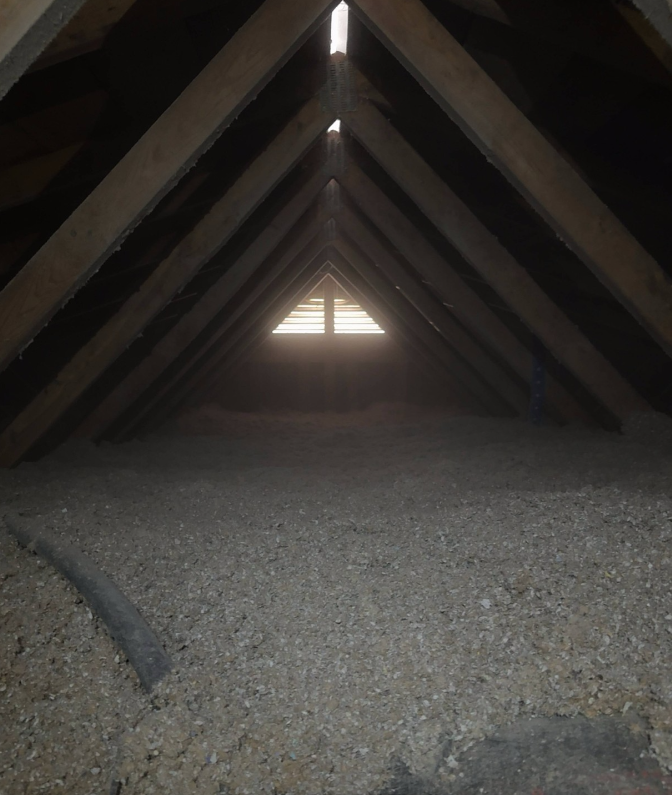
Attic space with triangular roof framing and blown-in insulation covering the floor, illuminated by light coming through a vent at the far end.

Types of Blown-In Insulation

We install two types of loose-fill. Both perform well, and we recommend the one that fits your home.

Cellulose

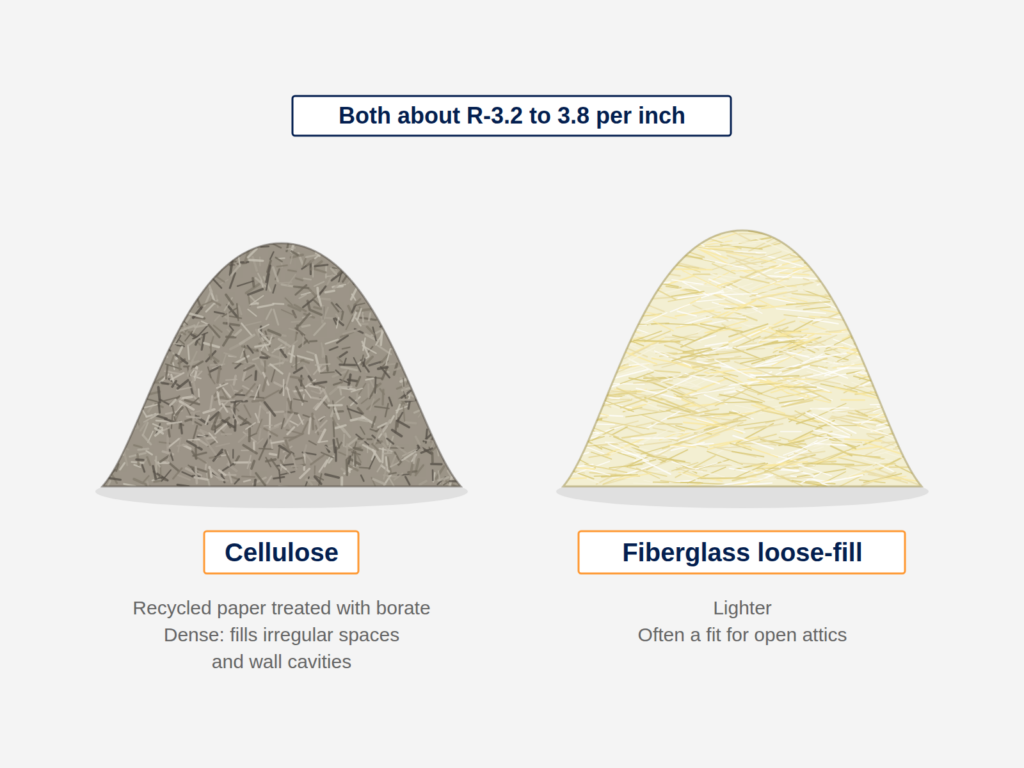
Cellulose is made from recycled paper and treated with borate. It is dense, fills irregular spaces well and is a popular choice for attics and walls, at roughly R-3.2 to 3.8 per inch.

Fiberglass Loose-Fill

Fiberglass loose-fill is made from spun glass fibers. It is light, does not absorb water as readily and is well suited to open attics, at roughly R-3.2 to 3.8 per inch.

Where We Install Blown-In Insulation in Lexington Homes

Blown-in insulation works in nearly every part of the house that has an accessible cavity or open floor.

Attics

Blown across the attic floor to bring an under-insulated attic up to modern standards. It can often go over existing insulation that is dry and in good shape.

Existing Walls

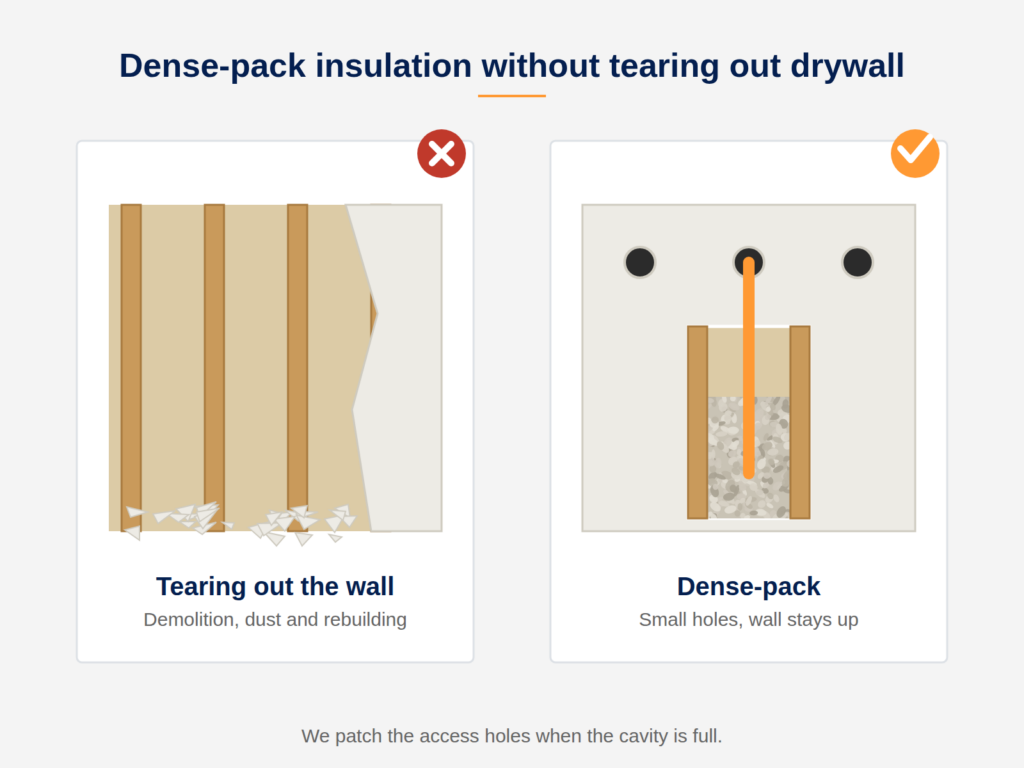
Dense-packed through small access holes, about one to two inches across, that are drilled from the inside or outside and patched when we finish. No drywall removal.

Floors and Ceilings

Fills closed floor and ceiling cavities, such as a floor over a garage or a ceiling below an attic you cannot easily reach.

Benefits of Blown-In Insulation

Here is why Lexington homeowners choose blown-in.

Blown-In vs. Spray Foam vs. Batt

This is how the three types compare for a typical Lexington project.

Blown-in

Spray foam

Batt

Insulation value

Blown-in

About R-3.2 to 3.8 per inch

Spray foam

About R-3.5 to 7 per inch

Batt

About R-3.0 to 4.3 per inch

Air sealing

Blown-in

Limited

Spray foam

Excellent

Batt

Limited

Works in finished walls

Blown-in

Yes, dense-packed

Spray foam

Open walls only

Batt

Open walls only

Best for

Blown-in

Attic floors and existing walls

Spray foam

Air leaks and moisture-prone spaces

Batt

Open framing, new construction

How We Install Blown-In Insulation

Here is what to expect when Reed’s installs blown-in insulation.

1

Inspection

We check the attic or wall cavities, measure the insulation that is already there and look for moisture and air leaks.

2

Prep

We protect the work area, set up equipment and seal any leaks that should be fixed before insulation goes in.

3

Install

We blow the material to the depth and density we agreed on, or dense-pack wall cavities through small access holes.

4

Finish

We patch holes, clean up and check the finished work with you.

Blown-In Attic Insulation in a Lexington KY Home

Blown-In Insulation for Lexington Attics

The attic is where blown-in insulation does its best work. Loose-fill is blown across the attic floor to a target depth, and because it flows, it settles around joists, wiring, ductwork and the odd corners that make batts hard to fit. The finished layer is continuous, with no seams, and that is what lets it perform the way it is supposed to.

ENERGY STAR recommends R-60 for an uninsulated attic in climate zone 4, which covers much of Kentucky, and R-49 for an attic that already has 3 to 4 inches of insulation. When we inspect your attic, we measure what is there and tell you how far you are from those numbers. In many older Lexington homes, the gap is large, and blown-in is the fastest way to close it.

Before we install, we look for air leaks, moisture and ventilation problems, and we make sure the new insulation does not block the attic’s ventilation paths. If the existing insulation is wet, moldy or contaminated, it comes out first. If it is dry and in good shape, the new layer can usually go right on top. You can read the full recommendations on the ENERGY STAR insulation guide.

Dense-Pack Wall Insulation Without Tearing Out Drywall

Older Lexington homes often have walls with little insulation or none at all, and tearing out plaster or drywall just to add it is rarely a good use of money. Dense-pack blown-in insulation is how we avoid that.

Our crew drills small access holes, about one to two inches across, into each wall cavity from the inside or the outside of the house, depending on what works best for your home. We blow insulation into the cavity until it is packed densely and evenly, then patch the holes. The cavity fills around wiring, plumbing and blocking, which are the places batts leave gaps.

Most walls and garages are done in one day. If you have a finished garage or a bonus room over the garage, the same approach works there as well. See our wall and garage insulation page for more.

Mounds of cellulose and fiberglass loose-fill insulation side by side

Cellulose or Fiberglass Loose-Fill: How We Help You Choose

Cellulose and fiberglass loose-fill both deliver roughly R-3.2 to 3.8 per inch, so R-value alone rarely decides the question. Cellulose is made from recycled paper treated with borate, and it is dense, which helps it fill irregular spaces and wall cavities. Fiberglass loose-fill is lighter and is often a fit for open attics.

We look at the space you are insulating, what is already there and what you want to prioritize, and we recommend one. You will see the type on your estimate, and we are happy to explain why we chose it.

If your priority is air sealing or moisture control rather than adding depth, spray foam insulation may be the better fit. And if you have open framing in new construction or a renovation, batt insulation can be a cost-effective choice.

Signs Your Lexington Home May Need Blown-In Insulation

These are the most common reasons homeowners call us about blown-in insulation.

Proven by Results, Recognized for Excellence

Get a Free Blown-In Insulation Estimate in Lexington

Our crews inspect your attic and walls, explain what they find and give you an upfront price.

Blown-In Insulation FAQs for Lexington Homeowners

Cost depends on the type of material, the area and how much insulation is already there. We give you an exact price after a free inspection.

Both are loose-fill materials at roughly R-3.2 to 3.8 per inch. Cellulose is made from recycled paper treated with borate and is denser. Fiberglass loose-fill is lighter. We recommend one for your home.

Yes. We drill small access holes, dense-pack the cavity and patch the holes afterward.

Often yes, if the existing insulation is dry and in good condition.

A typical blown-in attic job takes about three to six hours, and most attics, walls and garages are finished in one day.

It can. Insulation can lower heating and cooling costs by up to 15%.

Yes. We offer flexible financing options. Ask about them during your free estimate, or see our financing page.

Loose-fill can settle somewhat in an open attic, which is why we install to a target depth that accounts for it and measure the finished depth when we are done. Dense-packed wall cavities are filled firmly so they hold their place.

It often helps. Adding depth to the attic floor reduces the heat moving down into the rooms below. If the problem is air leaking from the attic or a finished space under the roof, we may recommend spray foam instead.

Only if it is wet, moldy or contaminated. If it is dry and in good shape, new insulation can usually go on top.

Our cellulose is treated with borate. We are happy to explain the material in detail during your estimate.

Areas We Serve

Reed’s Home Solutions installs blown-in insulation in Lexington and throughout Central Kentucky.

Scroll to Top