Welcome to Reed’s Home Solutions

RESIDENTIAL SERVICES · LEXINGTON, KY

Attic Insulation in Lexington, KY

Attic Insulation Contractors Serving Lexington

Your attic is the biggest opportunity to cut energy waste in your Lexington home. Warm air rises, and in winter it escapes through an under-insulated attic floor. In summer the sun heats the roof, the attic bakes, and that heat works its way back down into your living space. A properly insulated and air-sealed attic keeps the inside of your home at the temperature you set, so your furnace and air conditioner stop fighting the weather all year.

Reed’s Home Solutions installs attic insulation throughout Lexington, KY and the surrounding Central Kentucky communities. We inspect your attic first, measure what is already there, check for air leaks, moisture and signs of pests, and then recommend spray foam, blown-in or batt insulation based on what your attic actually needs. You get a clear explanation and an upfront price before any work starts.

ENERGY STAR recommends R-60 for an uninsulated attic in climate zone 4, which covers much of Kentucky, and R-49 for an attic that already has 3 to 4 inches of insulation. Many older Lexington homes sit well below those numbers. If yours does, adding insulation is one of the most effective upgrades you can make.

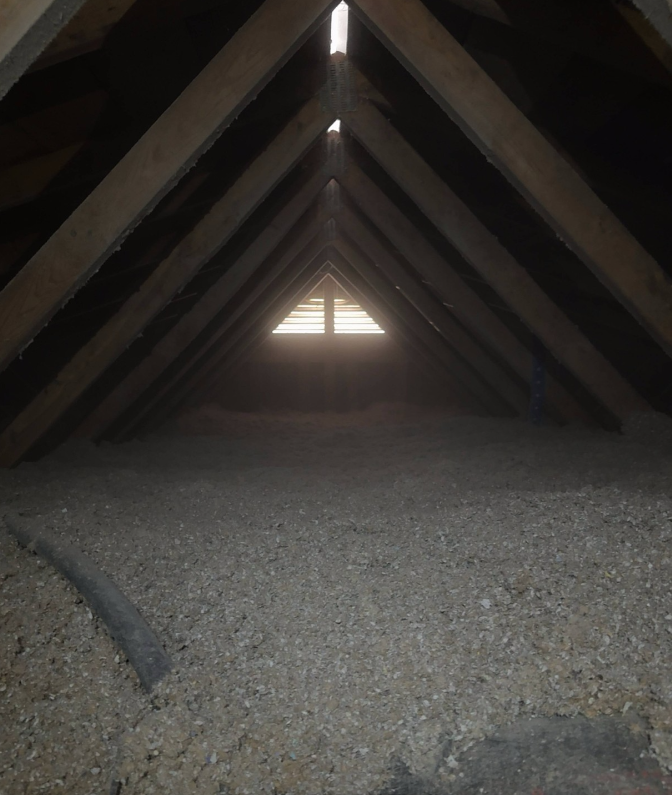
Blown-In Attic Insulation in a Lexington KY Home

Signs Your Lexington Attic Needs Insulation Work

You do not need to climb into the attic to notice the symptoms. These are the most common signs we see in Lexington homes.

If any of these sound familiar, a free attic inspection will show you exactly what is happening above your ceiling.

Attic Insulation Options for Lexington Homes

Each insulation type has a place in a Lexington attic. We recommend the one that fits how your attic is built and what you want it to do.

Spray Foam Attic Insulation

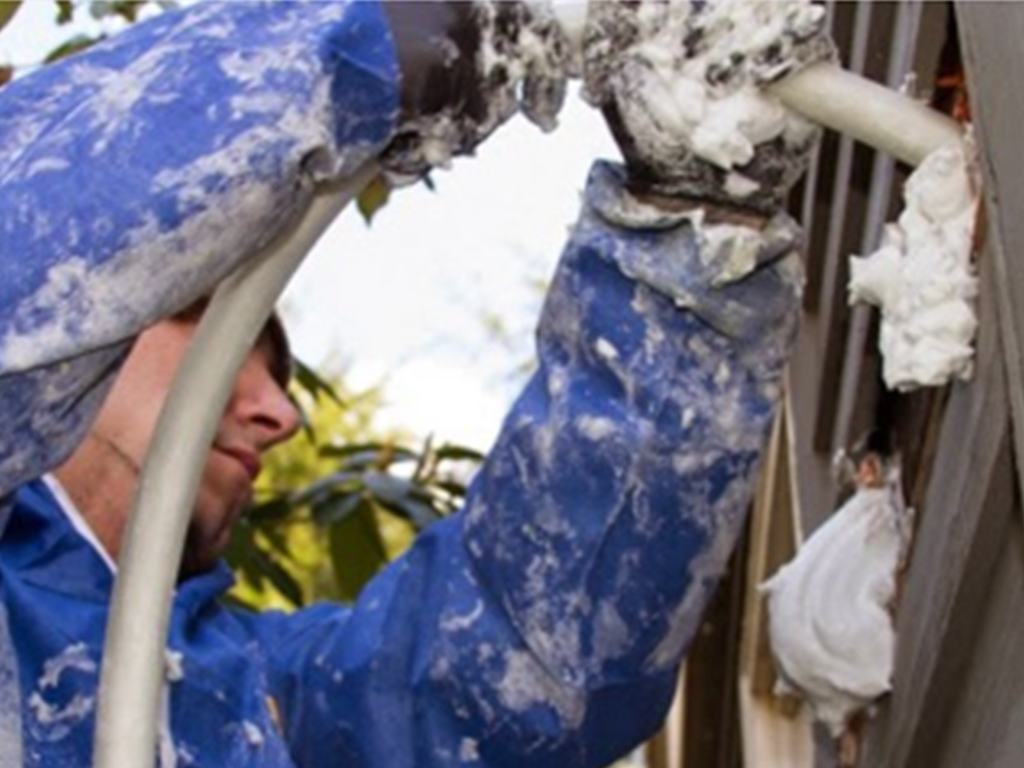
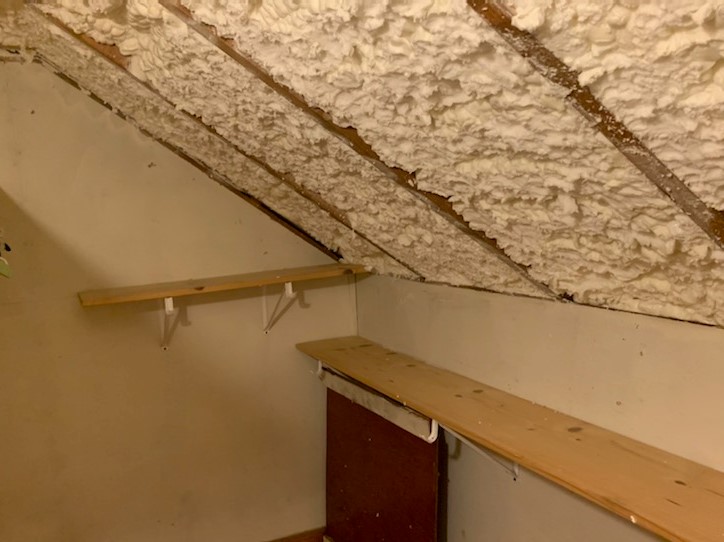
Spray foam expands to seal gaps, cracks and the odd shapes that are hard to cover with any other material, so it insulates and air-seals in one step. It can be applied to the underside of the roof deck, which turns the attic into a conditioned space, or to the attic floor. Closed-cell foam delivers roughly R-6 to 7 per inch, and open-cell about R-3.5 to 3.6.

Blown-In Attic Insulation

Blown-in cellulose or fiberglass is blown across the attic floor with specialized equipment, filling around joists, wiring and obstructions. It is the usual way to add depth to an under-insulated attic and can often go over what is already there if it is dry and in good shape. Expect roughly R-3.2 to 3.8 per inch.

Batt Attic Insulation

Fiberglass or mineral wool batts are cut to fit between joists or rafters, which makes them a cost-effective choice for open attic floors, finished attic knee walls and areas where installers have direct access. Batts run roughly R-3.0 to 4.3 per inch.

How We Insulate Your Attic

Every attic is different, so we begin with an assessment instead of a template. We measure the insulation already in place, check the attic for air leaks around chimneys, plumbing penetrations, recessed lights and the attic hatch, and look for moisture, mold, pest activity and any ventilation problems that need attention before insulation goes in.

Preparation. We protect the work area and your home, clear access to the attic, and seal the larger gaps that let conditioned air escape. If old insulation is wet, moldy or contaminated, it comes out before new material goes in.

Installation. Our crew installs the insulation you selected: spray foam on the roof deck or attic floor, blown-in across the attic floor, or batts cut to fit between joists. For spray foam, we control the environment so the foam bonds and cures properly, including checking that surfaces are within the temperature range the material requires.

Inspection and cleanup. We check coverage and depth, verify that the work matches the estimate, and clean up the work area. Blown-in attic jobs typically take about three to six hours, and most attics are finished in a single day.

Roof Deck and Ceiling Insulation in Lexington

Not every attic is a simple open space above the ceiling. Many Lexington homes have finished attics, bonus rooms over garages, vaulted or cathedral ceilings and low-slope sections where there is no room to blow insulation across a floor. In those spaces we insulate the roof deck or the ceiling assembly directly.

Spray foam applied to the underside of the roof deck seals the entire roofline and keeps the attic closer to the temperature of the rest of the home. That helps rooms that sit right under the roof stay comfortable, and it protects ductwork and equipment stored in the attic from extreme heat and cold. Dense-packed blown-in insulation can fill closed ceiling cavities without removing the drywall.

If you are not sure whether insulating the roof deck or the attic floor makes more sense for your home, we will look at how your attic is built and what you are trying to accomplish, and explain the tradeoffs before you decide.

Benefits of Properly Insulated Attics

A well-insulated, air-sealed attic pays you back in comfort and in lower bills.

Which Attic Insulation Is Best for Your Home?

Use this as a starting point. We confirm the right choice during your free inspection.

Your attic

Best fit

Why

Your attic

Drafty attic with air leaks and hot upstairs rooms

Best fit

Spray foam

Why

Air-seals and insulates in one step

Your attic

Open attic floor with low insulation depth

Best fit

Blown-in

Why

Adds depth quickly and fills around framing

Your attic

Open joists, new construction or a gut renovation

Best fit

Batt

Why

Cost-effective where framing is exposed

Your attic

Finished attic, vaulted ceiling or bonus room

Best fit

Spray foam on the roof deck or dense-pack

Why

Insulates closed cavities and sloped ceilings

Your attic

Wet, moldy or contaminated existing insulation

Best fit

Remove, then replace

Why

New material should go into a dry, clean attic

Attic space with triangular roof framing and blown-in insulation covering the floor, illuminated by light coming through a vent at the far end.

Why Air Sealing Comes First in a Lexington Attic

Adding insulation to a leaky attic is like putting a sweater on a house with the windows open. Air leaks around chimneys, plumbing stacks, recessed lights, the attic hatch and the top of interior walls let conditioned air move into the attic, and insulation alone does not stop it.

That is why we look for those leaks during the inspection and seal the ones that matter before insulating. Spray foam seals as it insulates, while blown-in and batt are installed after the larger gaps have been sealed. The result is an attic that holds the temperature of the rest of the house instead of working against it.

Proven by Results, Recognized for Excellence

Get a Free Attic Insulation Estimate in Lexington

Our crews inspect your attic, explain what they find and give you an upfront price. If we find moisture or structural concerns, we will tell you and show you how we can help.

Attic Insulation FAQs for Lexington Homeowners

Cost depends on the type of insulation, the size of the attic, how much insulation is already there and whether old material needs to come out first. We give you an exact, itemized price after a free inspection and before any work begins.

It depends on your attic. Spray foam is best for attics with air leaks, finished spaces or sloped roof decks. Blown-in is the usual choice for adding depth to an open attic floor, and batt works well where framing is exposed. We recommend a type after we see your attic.

ENERGY STAR recommends R-60 for an uninsulated attic in climate zone 4, which covers most of Kentucky, and R-49 for an attic that already has 3 to 4 inches of insulation. We measure what you have and tell you how far it is from those targets. You can read the full recommendations on the ENERGY STAR insulation guide.

Often yes. Blown-in insulation can usually go over existing fiberglass or cellulose that is dry and in good condition. If the old insulation is wet, moldy or contaminated, it needs to be removed first, and we will tell you that during the inspection.

It often helps with both. Ice dams can form when heat escapes through the attic and melts snow on the roof, and a hot upstairs is a common sign that heat is coming through the roof or the ceiling below it. Adding insulation and sealing air leaks reduces both problems, and we will point out any ventilation concerns we find.

A typical blown-in attic job takes about three to six hours, and most attics are finished in one day. Spray foam jobs and larger homes can take longer, and we give you a timeline with your estimate.

Someone needs to be there at the start to give us access to the attic and the home, but you do not need to stay in the attic or the work area. We will walk through the plan with you before we begin.

Yes. We offer flexible financing options for insulation projects. Ask about them during your free estimate, or see our financing page.

Areas We Serve

Reed’s Home Solutions installs attic insulation in Lexington and throughout Central Kentucky.

Scroll to Top