Welcome to Reed’s Home Solutions

RESIDENTIAL SERVICES · CHARLESTON, WV

Spray Foam Insulation in Charleston, WV

Spray Foam Insulation Company in Charleston, WV

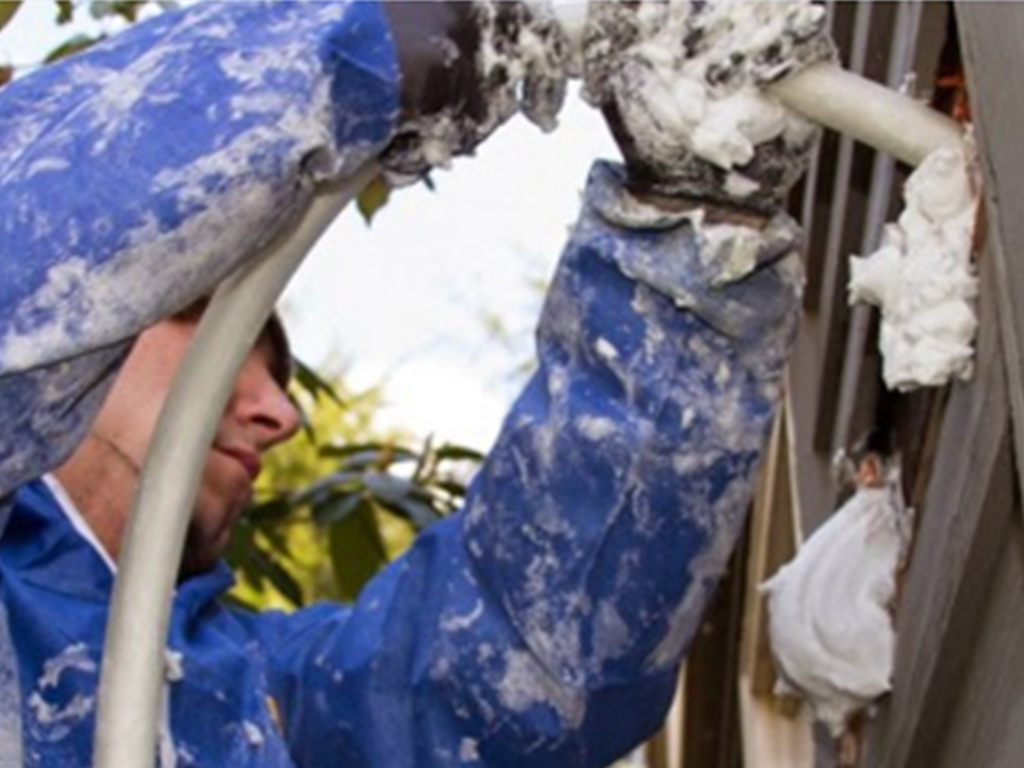
Of all the materials our crews install, spray foam insulation is the most capable, and in plenty of Charleston houses it is the only fix for a comfort problem that has refused to go away. Foam is sprayed on as a liquid, swells within seconds and fills every gap, crack and corner it reaches. One product insulates and air-seals together, a pairing that batts and loose-fill cannot manage by themselves.

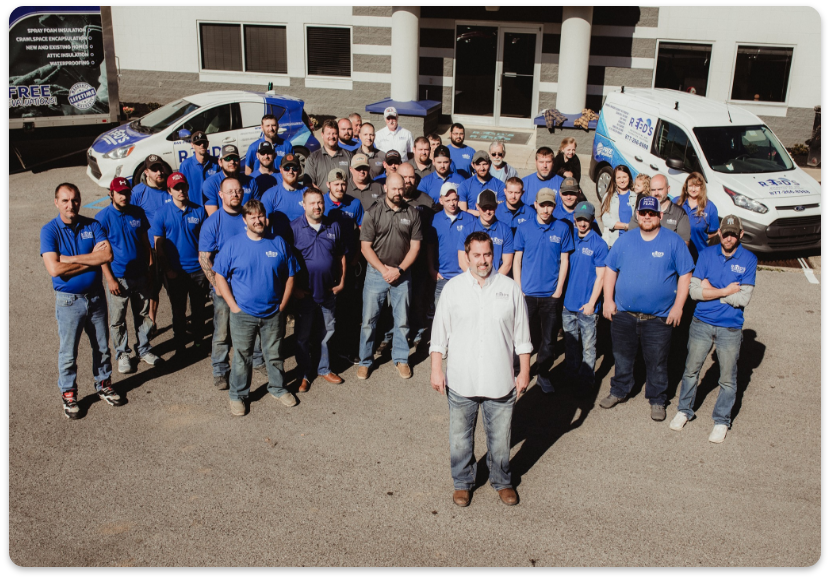
Reed’s Home Solutions has been Charleston’s trusted foundation repair and insulation company since 1989. We install spray foam across the Kanawha Valley and beyond. Every project begins with a free, no-obligation inspection, followed by a plain explanation of which foam belongs in which part of your house and a price you see before any work starts. Heating and cooling costs can fall by as much as 15% once the house is properly insulated.

Homes in West Virginia put up with humid summers, cold winters and damp air that drifts up from the river valley. Foam pays off most where air leaks and moisture do the greatest damage: rim joists, basements, crawl spaces and attics.

Closed-Cell vs. Open-Cell Spray Foam Insulation

Two kinds of foam exist, and each suits different conditions. We pick the one that matches the space you are insulating.

Closed-cell foam

Open-cell foam

R-value for each inch

Closed-cell foam

R-6 to 7

Open-cell foam

R-3.5 to 3.6

Texture once cured

Closed-cell foam

Dense and rigid

Open-cell foam

Light, soft and spongy

Contact with water

Closed-cell foam

Repels it

Open-cell foam

Soaks it in and lets it through

Moisture barrier

Closed-cell foam

Doubles as a vapor barrier

Open-cell foam

Offers no vapor barrier

Where it fits

Closed-cell foam

Crawl spaces, basements, rim joists and roof decks

Open-cell foam

Interior walls and dry roof decks

How to Choose Spray Foam for Your Charleston House

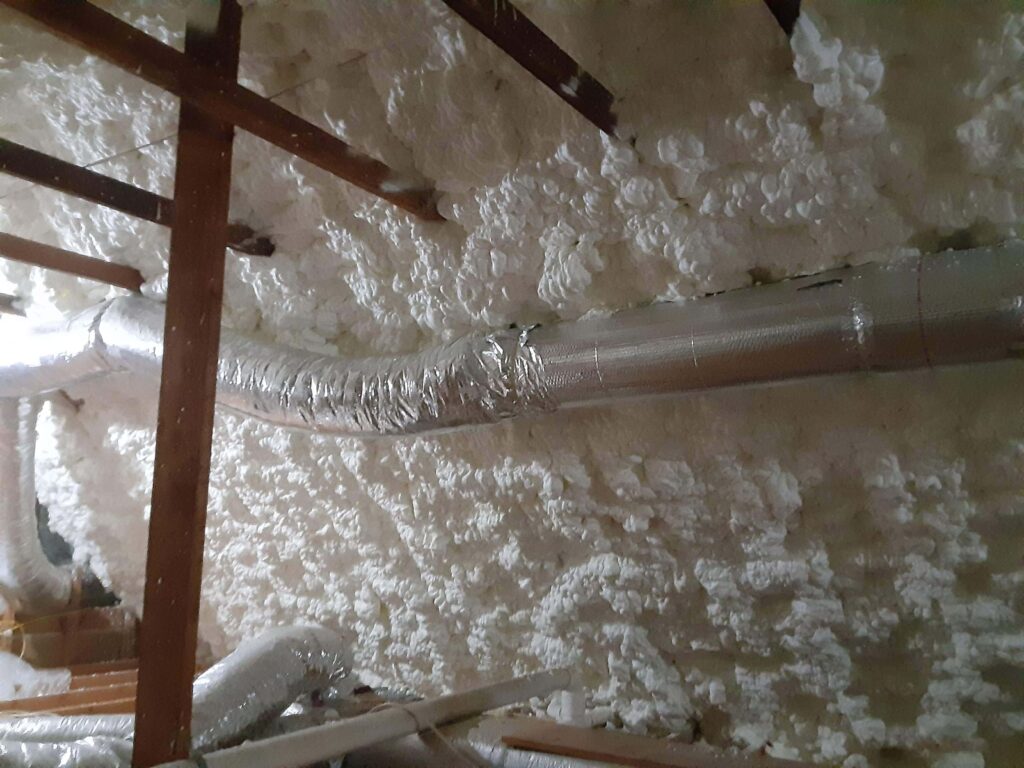
Closed-cell spray foam is the heavy hitter. Per inch of thickness it delivers the most R-value, it refuses to soak up water and it works as a vapor barrier. That makes it our pick for crawl spaces, basement walls, rim joists and any area where dampness shows up regularly. It also stiffens whatever surface it covers.

Open-cell spray foam is softer and lighter, and it has a lower R-value per inch. It swells to fill irregular shapes and shuts down air leaks nicely, so it belongs in interior walls and in roof decks that stay dry.

Plenty of houses end up with both. A crawl space on piers might get closed-cell foam on its walls and rim joist, while the roof deck above gets open-cell. We study each area during your inspection and walk you through our thinking before you commit.

Foam is not always the cheapest line on an estimate, so we are upfront about where it earns its price. In an attic with a lot of air leaks or a crawl space that stays damp, it often does the work of several steps at once. In a dry attic with an open floor, blown-in insulation may be the smarter spend, and we will say so.

Where Spray Foam Insulation Works Best in Your Home

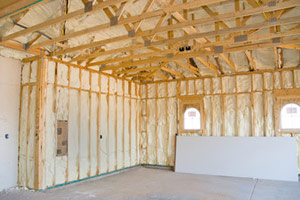
Foam can go nearly anywhere in a house. These are the areas where we reach for it most often.

Attics and Roof Decks

Sealing the roofline turns the attic into part of your conditioned space, so the rooms below hold a steadier temperature.

Crawl Spaces

Closed-cell foam along the walls, plus a sealed barrier across the ground, keeps humid air out and warms the floors above.

Basements and Rim Joists

The rim joist is a major air leak. Foam closes it up and insulates the foundation walls beneath it.

Walls and Garages

Open framing and garage walls gain a lot from the air sealing that foam provides.

Cantilevers and Vaulted Ceilings

Overhangs and cathedral ceilings leave little room for loose-fill, which makes foam a natural fit.

Why Homeowners Choose Spray Foam Insulation

These are the things foam does that other types of insulation do not.

Spray Foam Insulation Near Charleston

Our crews install spray foam across the Kanawha Valley, backed by our West Virginia regional office in Williamson. Beyond Charleston, we work in South Charleston, St. Albans, Dunbar, Nitro, Cross Lanes, Teays Valley, Hurricane, Barboursville, Huntington, Beckley and Williamson.

Typing spray foam insulation near me into a search bar? Begin with a no-cost inspection and quote from a nearby crew that also does waterproofing and foundation work. Our full list of service areas shows where else we go.

Whether the job is attic insulation, a crawl space, a garage or a whole-house plan, you get one inspection, one explanation of the options and one estimate that covers the insulation installation from start to finish.

Why Spray Foam Suits the Charleston Climate

Charleston sits in climate zone 4, with muggy summers and cold, wet winters, and your house has to handle each of them. On a July afternoon, roofs and walls soak up heat, damp air slips through every gap and the air conditioner never rests. By January, warm air is slipping out through the attic and rim joist while cold air creeps in near the foundation.

Foam tackles both problems because it seals leaks as it insulates. Closed-cell foam adds resistance to moisture, which counts in crawl spaces and basements where damp air meets cool surfaces. Few spots leak more air than the rim joist, and foam is the most dependable way to close it.

For homes across the valley, including hillside houses with exposed floors and crawl spaces on piers or block walls, that blend of sealing and moisture resistance is why we recommend foam for the leakiest, dampest parts of the structure. Where the real trouble is water getting in, we point you toward basement waterproofing or crawl space repair first.

Our Spray Foam Insulation Installation Process

Results depend on a well-prepared space and good working conditions. This is how a typical job unfolds.

1

Inspect and assess

We examine the space for moisture, air leaks and structural concerns and note what insulation is already there. Then we explain which foam makes sense.

2

Prepare the area

Floors, furniture and any surface that should stay clean get covered. Old insulation or a moisture issue gets handled before foam goes anywhere.

3

Check conditions

Each product has a temperature window in which it bonds and cures properly, so we confirm that surfaces fall inside it before spraying.

4

Apply and inspect

The crew sprays to the thickness we agreed on, checks coverage and cleans up. Afterward, we walk the finished work with you.

Signs Spray Foam Insulation Is Right for Your Home

Foam does not suit every project, yet it is the strongest answer to the problems below.

Spray Foam vs. Blown-In vs. Batt Insulation Compared

Here is how foam stacks up against the other types of insulation we install.

Feature

Spray foam

Blown-in

Batt

Feature

R-value per inch

Spray foam

R-3.5 to 7, depending on foam type

Blown-in

R-3.2 to 3.8

Batt

R-3.0 to 4.3

Feature

Stopping air leaks

Spray foam

Excellent

Blown-in

Limited

Batt

Limited

Feature

Handling dampness

Spray foam

Closed-cell repels water

Blown-in

Depends on the material

Batt

Can soak up moisture

Feature

Typical use

Spray foam

Leaky spots, damp crawl spaces, rim joists and roof decks

Blown-in

Attic floors and finished walls

Batt

Open framing

Book Your Free Spray Foam Inspection in Charleston

We look at your attic, crawl space, basement and walls, point out where energy is escaping and recommend the right foam for each area, with a clear price.

Proven by Results, Recognized for Excellence

Spray Foam Insulation Questions From Charleston Homeowners

Insulation cost shifts with the foam type, the area covered and the prep involved. Per square foot, foam generally runs higher than blown-in or batt, yet it also seals air, so one job may stand in for two. Following a free inspection, you receive a firm price.

That depends on the area. Foam gives the best R-value per inch and stops air movement, making it the strongest option for leaky attics, crawl spaces, rim joists and basements. In other spots, blown-in or batt is the economical choice.

Closed-cell is dense, delivers R-6 to 7 per inch, repels water and serves as a vapor barrier. Open-cell is lighter and softer, at R-3.5 to 3.6 for each inch. We tell you which suits each part of your home.

It can. Costs for heating and cooling may drop by as much as 15%.

Yes. Existing houses get foam in their attics, crawl spaces, basements and open walls all the time.

Trained installers handle the work and control the work zone. Before we begin, you learn what to expect, including how long everyone should stay clear of the area.

Yes, flexible financing is available. Ask us during your free estimate, or read about it on our financing page.

The answer rests on the size of the area and any prep. You will find the schedule in your estimate.

Closed-cell foam repels water and acts as a vapor barrier, so it helps manage moisture. Active dampness or mold is a different matter, and the source should be fixed first. Our team also handles crawl space repair and basement waterproofing.

Rim joists, crawl spaces, basements, attics and roof decks, plus walls and garages, all over Charleston and the Kanawha Valley.

Areas We Serve

Spray foam insulation from Reed’s, available in Charleston and the towns around the Kanawha Valley.

Scroll to Top