
Attic Insulation
Attic Insulation Contractors
Your attic is the single biggest source of energy loss in most homes. Reed’s Home Solutions installs all three major types of attic insulation — spray foam, blown-in, and batt — and will recommend the right one (or combination) for your attic’s layout, ventilation, and budget instead of a one-size-fits-all pitch.
Choosing the Right Attic Insulation for Your Home
The right material depends on what’s actually wrong with your attic. If you’re dealing with air leaks, ice dams, or rooms that run too hot or too cold, spray foam’s air-sealing properties usually solve the problem fastest. If your attic just needs more depth and doesn’t have major air-leakage issues, blown-in insulation is a cost-effective way to top it off. And if your attic has simple, accessible framing with standard joist spacing, batt insulation offers a fast, budget-friendly path to code-compliant R-values. We’ll walk you through all three during your free inspection.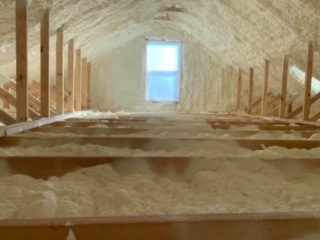
Types of Attic Insulation
Spray Foam Attic Insulation
Blown-In Attic Insulation
Attics are rarely a simple rectangle — they’re full of joists, trusses, vents, and tight corners that make it hard to get consistent coverage with batt insulation. Using specialized equipment, we blow loose-fill cellulose or fiberglass insulation across the entire attic floor, filling gaps around joists, wiring, and odd angles that pre-cut batts often miss. We install both cellulose (denser, good for airflow resistance) and fiberglass (moisture-resistant, settles less over time) depending on your home’s needs. Blown-in insulation is one of the fastest, most affordable ways to bring an older, under-insulated attic up to modern R-value recommendations, and it’s especially well-suited to topping off existing insulation that’s settled or thinned out.
Batt Insulation for Accessible Attics
For attics with open, easily accessible framing and standard joist spacing, batt insulation is a fast, cost-effective way to reach modern R-value standards. Pre-cut fiberglass batts fit between standard-spaced joists and rafters, giving a precise, code-compliant layer of insulation without specialized blowing equipment. It’s a strong option if you’re also planning light storage on top of the insulation layer, since properly installed batts can support a walkway or platform more predictably than loose-fill insulation. If your attic has irregular framing or a lot of obstructions, blown-in insulation is usually the better fit — we’ll help you decide based on your attic’s actual layout.
Benefits of Properly Insulating Your Attic
- Lower energy bills — sealing attic air leaks and adding R-value reduces the load on your HVAC system in every season.
- More consistent indoor temperatures, especially in upstairs rooms that run hot in summer and cold in winter.
- Moisture and mold resistance, since well-installed insulation doesn’t sag, settle, or trap moisture the way older attic insulation can.
- Pest deterrence, especially with spray foam, which fills the small gaps rodents and insects use to enter attics.
- Long-term durability and a measurable reduction in ice damming and attic condensation.
Ready to Get Started?
Frequently Asked Questions
How much does attic insulation cost?
Which type of attic insulation is right for my home?
Will new attic insulation actually fix ice dams or a hot upstairs room?
Can new insulation be added on top of what's already there?
How long does attic insulation installation take?
Do you offer financing for attic insulation?
Yes. We offer flexible financing options for homeowners and can also work with builders on project-based arrangements. Ask about financing when you request your estimate.