Welcome to Reed’s Home Solutions

Crawl Space Repair

Crawl Space Vapor Barrier Installation

A crawl space vapor barrier is a heavy-duty plastic sheeting system installed directly over the dirt or exposed ground in your crawl space, blocking soil moisture before it ever reaches the wood, insulation, and ductwork above. It’s the single most direct way to cut off the source of crawl space humidity — and for many homes, it’s the right-sized fix on its own, without a full encapsulation project.

Reed’s Home Solutions installs code-compliant, commercial-grade vapor barriers throughout Kentucky, Tennessee, Virginia, and West Virginia, sized to the specific moisture load and layout of your crawl space.

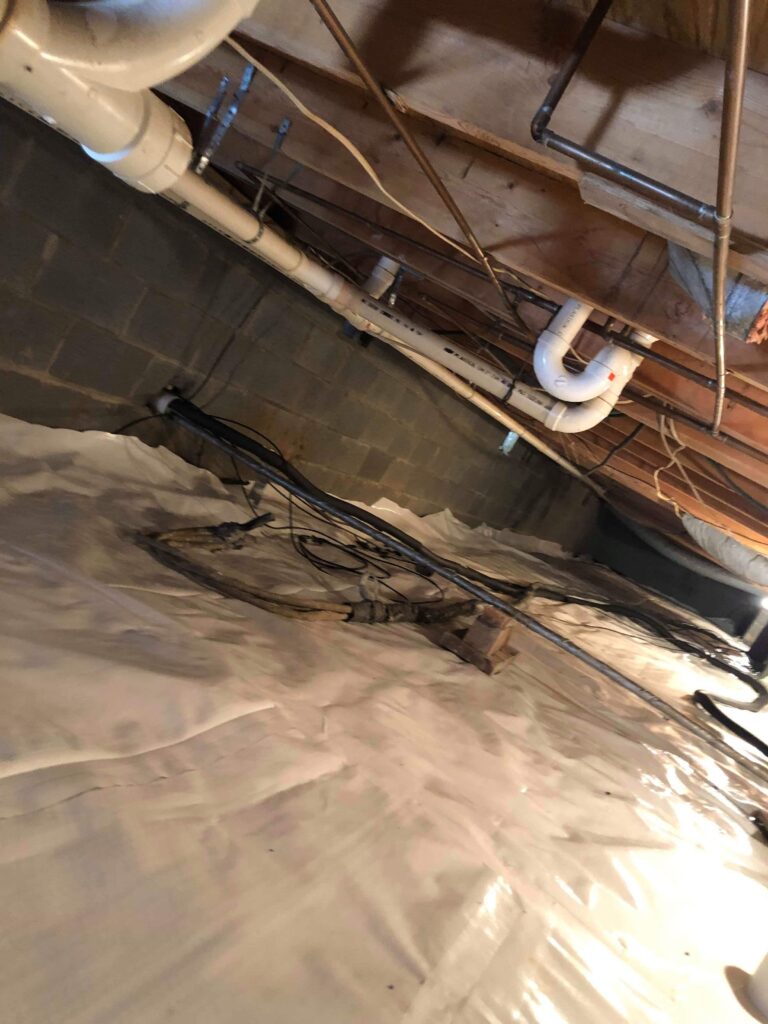
What Goes Into a Proper Vapor Barrier System

Not all vapor barriers are built the same — thickness, seams, and coverage all determine whether it actually stops moisture long-term.

The Material

  • 10 to 20-mil thick polyethylene sheeting — heavier and more puncture-resistant than basic consumer-grade liners
  • Perm rating of 0.1 or lower, meeting the Class 1 vapor retarder standard for reliable moisture blocking
  • Rated to prevent up to 15 gallons of moisture intrusion per day in a typical crawl space

The Installation

  • Full ground coverage, sealed and overlapped at seams to eliminate gaps where moisture can pass through
  • Barrier run up piers, walls, and penetrations so vapor can’t bypass the edges
  • Fitted around plumbing, ductwork, and support posts without compromising the seal

Signs Ground Moisture Is a Problem

A vapor barrier is usually the fix when these show up without any standing water present.

What You Might Notice

  • Damp, dark, or discolored dirt across the crawl space floor
  • A musty smell that lingers even when the crawl space looks dry on the surface
  • Condensation on ductwork, pipes, or the underside of the subfloor
  • Rising humidity readings on a hygrometer placed in the crawl space

Why It Happens

  • Soil naturally releases water vapor that has nowhere to go without a barrier
  • Homes near a higher water table or poor grading see this more severely
  • Unlike standing water, this moisture doesn’t need drainage — it needs to be blocked at the source
  • Left unaddressed, it eventually leads to the same mold and structural issues a full encapsulation would prevent

What a Properly Installed Vapor Barrier Delivers

10-20 mil
Barrier Thickness

Commercial-grade, not hardware-store liner

≤0.1
Perm Rating

Meets the Class 1 vapor retarder standard

<50%
Humidity Maintained

Target relative humidity once installed

20-25%
Annual Energy Savings

From reduced moisture load on HVAC systems

Why a Vapor Barrier Matters

Vapor Barrier Alone, or Something More?

A vapor barrier is often the right scope on its own — but not always.

Matching the Fix to the Problem

If ground moisture is the only issue, a standalone vapor barrier is usually enough. If you also have standing water after rain, pair it with waterproofing. If you want full temperature and humidity control on top of the barrier, that’s full encapsulation. We’ll tell you honestly which scope fits during your free inspection — not upsell you into more than you need.

Proven by Results, Recognized for Excellence

Ground Moisture in Your Crawl Space?

Free, no-obligation vapor barrier inspections across Kentucky, Tennessee, Virginia & West Virginia — plus flexible financing to help make the fix more manageable.

Crawl Space Vapor Barrier FAQs

We install 10 to 20-mil polyethylene sheeting, well above the thin 6-mil liners sold for basic ground coverage. Thicker material resists punctures from foot traffic, debris, and pests, which is what makes it hold up long-term instead of tearing within a year or two.

No. A vapor barrier covers the ground to block soil moisture. Full encapsulation adds air sealing, insulation, and often dehumidification on top of the barrier for complete climate control. Many crawl spaces only need the barrier — we’ll tell you which applies to yours.

Yes — homeowners typically see 20 to 25% annual energy savings once ground moisture is no longer working against the HVAC system, since damp air is harder and more expensive to heat and cool.

Seams are overlapped and sealed, and the barrier is run up piers and walls rather than left loose on the ground. An unsealed liner still lets significant moisture through the gaps, so proper sealing is what makes the difference.

Yes. We fit the barrier around plumbing lines, ductwork, and support posts during installation so nothing needs to be moved or interrupted, while keeping the seal intact around each penetration.

Areas We Serve

Our crawl space repair contractors operate throughout Kentucky, Tennessee, Virginia, West Virginia, and surrounding areas. See below for additional communities we serve for crawl space repair.

Scroll to Top