Welcome to Reed’s Home Solutions

Crawl Space Repair

Crawl Space Waterproofing

Crawl space waterproofing stops standing water and active flooding at the source — different from a vapor barrier, which manages ground moisture in a crawl space that’s otherwise dry. If water pools under your home after heavy rain, seeps in through the foundation walls, or leaves visible puddles, waterproofing is the fix that addresses it directly with drainage, liners, and pump systems.

Reed’s Home Solutions has installed crawl space waterproofing systems throughout Kentucky, Tennessee, Virginia, and West Virginia, and integrates the work with our basement waterproofing systems when a home needs both.

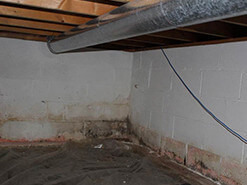
Wet Moldy Crawl Space

What's Included in Crawl Space Waterproofing

A system built to manage active water, not just cover the ground.

Managing the Water

  • Drainage systems that channel water away from under the home before it can pool
  • Sump pump integration for crawl spaces with recurring standing water
  • 30-mil waterproof barriers for the highest-moisture areas of the crawl space floor

The Liner System

  • 12-mil, 3-ply polyethylene liner with an antimicrobial finish, used on jobs where heavy-duty coverage is called for
  • Sealed and fitted to piers, walls, and penetrations for a continuous barrier
  • Built to hold up under standing water, not just surface dampness

Signs You Need Crawl Space Waterproofing

Waterproofing is the right call when you’re dealing with actual water, not just elevated humidity.

What You Might Notice

  • Visible standing water or puddles in the crawl space after rain
  • Wet or saturated soil that doesn’t dry out between storms
  • Water stains or efflorescence on foundation walls
  • A sump pump running constantly, or no pump at all despite recurring water

Why It's Different From a Vapor Barrier

  • A vapor barrier manages moisture rising through the ground — it isn’t built to handle active water flow
  • Standing water needs somewhere to go, which is what drainage and sump systems provide
  • Ignoring active water leads to faster structural damage than humidity alone
  • We assess which category your crawl space falls into during the inspection, not by guesswork

Why Waterproofing Matters

Dehumidification, Built Into the System

Most crawl space humidity problems we see show up alongside standing water or a history of it — which is why dehumidification is something we size into a waterproofing project rather than sell as its own separate visit.

How It's Sized

  • Removes up to 10 pints of moisture per 500 sq ft, matched to your crawl space’s dimensions
  • Positioned at least 6 inches above the ground and wired within 9.2 feet of a grounded outlet
  • Drains to a condensate line or an existing sump pump so it runs without manual emptying

What It Delivers

  • Maintains humidity in the 30-50% range once drainage and liners have addressed the standing water itself
  • Capable of up to a 90% reduction in humidity starting from a high moisture baseline
  • Offsets ground moisture that can release 2-3 pints per 100 sq ft daily even after drainage is in place

One Team for Water, Above and Below

Crawl Space and Basement, Handled Together

Water problems don’t respect the line between your basement and your crawl space — a home with a wet basement often has a wet crawl space too. Our basement waterproofing team and crawl space specialists coordinate on inspections so drainage and sump pump systems are sized for the whole house, not treated as two separate projects.

Proven by Results, Recognized for Excellence

Standing Water in Your Crawl Space?

Free, no-obligation waterproofing inspections across Kentucky, Tennessee, Virginia & West Virginia — plus flexible financing to help make the fix more manageable.

Crawl Space Waterproofing FAQs

A vapor barrier blocks moisture that rises up through the ground. Waterproofing addresses active water — standing puddles, flooding after rain, or water seeping through foundation walls — with drainage systems, liners, and sometimes a sump pump. Many crawl spaces only need one or the other.

If water regularly collects and doesn’t drain on its own, a sump pump is usually part of the fix. We size the pump and drainage system to how much water your crawl space actually takes on, based on the inspection.

The 12-mil, 3-ply polyethylene liner with an antimicrobial finish is a heavier-duty option used on jobs where the crawl space sees significant standing water or moisture, providing more durability than a standard vapor barrier alone.

Homeowners can see up to 50% in annual energy savings when crawl space waterproofing is paired with insulation upgrades — typically 4 inches of open-cell foam at the rim joist and 2 inches of closed-cell foam on the foundation walls.

Yes. Our crawl space and basement waterproofing teams coordinate on the same inspection so drainage and pump systems are sized correctly for the whole house rather than addressed piecemeal.

We size dehumidification into the waterproofing project itself rather than treating it as a separate service call. Once drainage and liners are handling the standing water, a properly sized dehumidifier keeps humidity in the 30-50% range going forward.

Areas We Serve

Our crawl space waterproofing contractors operate throughout Kentucky, Tennessee, Virginia, West Virginia, and surrounding areas. See below for additional communities we serve for wet crawl space repair.

Scroll to Top