Is a high water table damaging your property? A high water table is one of the most damaging—and most frequently overlooked—threats to your home’s foundation. When groundwater sits too close to the surface beneath your home, excess moisture builds severe hydrostatic pressure against foundation walls and floor slabs. Left unaddressed, this pressure leads to basement flooding, structural failure, and costly foundation repairs.
Recognizing the signs of a high water table early gives you the opportunity to intercept rising groundwater before irreversible structural damage sets in. Warning signs like persistent dampness, efflorescence on basement walls, and a situation where a sump pump runs constantly high water table conditions indicate that groundwater rising in basement spaces is actively threatening your property.
Whether you need to learn how to tell if water table is high under your home or you are actively searching for long-term high water table foundation solutions, understanding what to look for is the first step. Here are the clear signs of a high water table, how to distinguish rising groundwater from surface runoff, and the engineered waterproofing systems that keep your home dry year-round.
6 Clear Signs of a High Water Table Under Your Home
When a water table sits too close to your footings, it creates distinct structural symptoms that differ from typical plumbing leaks or bad gutters. Knowing the signs of a high water table allows you to spot groundwater rising in basement areas before severe flooding occurs:
1. Seepage at the Cove Joint (Wall-Floor Seam)
The joint where your concrete basement wall meets the poured floor slab (the cove joint) is the path of least resistance. When groundwater rising in basement zones builds vertical hydrostatic pressure, water forces its way up through this seam, leaving pooling water around the perimeter of your floor.
2. A Sump Pump That Runs Continuously (Even in Dry Weather)
When a sump pump runs constantly high water table conditions are almost always the cause. If your pump cycles continuously without stopping—or turns on during periods with no rain—the subterranean water table is keeping your sump basin filled faster than the pump can empty it.
3. White, Chalky Powder on Concrete Walls (Efflorescence)
Efflorescence on basement walls forms when moisture migrates through porous concrete block or poured walls. As the water evaporates into your home’s air, it leaves behind crystallized mineral salts. Seeing efflorescence on basement walls is a clear sign of continuous water transmission through your foundation.
4. Damp Spots and Hydrostatic Pressure Foundation Cracks
As water weight builds beneath your floor slab, hydrostatic pressure pushes the concrete upward and inward. This results in hydrostatic pressure foundation cracks across your floor or walls, often accompanied by damp patches and flaking paint.
5. Musty Odors, High Humidity, and Crawl Space Moisture
Capillary action draws moisture through concrete slabs and dirt crawl space floors into your living area. Elevated interior humidity, mold growth on joists, and persistent musty smells all indicate that an elevated water table is saturating the ground beneath your home.
6. A Spongy Yard and Neighborhood-Wide Seepage
If puddles linger in your lawn days after a storm passes—or if your neighbors experience high water table basement flooding at the exact same time—the soil has reached full saturation capacity. When multiple homes on a street flood simultaneously, rising groundwater is the culprit.
High Water Table vs. Surface Water Runoff: Understanding the Difference
Not all basement water issues come from the same source. Knowing how to tell if water table is high versus dealing with surface rainwater runoff determines which repair method will actually work.
Surface water runoff enters from above due to overflowing gutters or poor yard grading. A high water table pushes water from below due to saturated subterranean soil.
High Water Table vs. Surface Water Comparison
| Indicator | Surface Water Runoff Issue | High Water Table Issue |
| Primary Cause | Clogged gutters, short downspouts, poor yard grading | Underground water table rising beneath the slab |
| Water Entry Point | Top of foundation walls, window wells, exterior doors | Cove joint (wall-floor seam), floor cracks, basement slab |
| Timing | During or immediately after heavy rainfall | Hours or days after rain stops; persists in dry weather |
| Sump Pump Activity | Short bursts during heavy rainstorms | Continuous cycling over extended periods |
| Primary Risk | Cosmetic water damage, localized leaks | Hydrostatic pressure foundation cracks, bowing walls |
| Solution Focus | Downspout extensions, re-grading, window well covers | Interior French drain high water table systems, dual pumps |
The Long-Term Risks of Ignoring Groundwater Pressure
Groundwater weighs approximately 62.4 pounds per cubic foot. During periods of heavy saturation, thousands of pounds of pressure push against your basement floor and walls. Over time, unaddressed hydrostatic pressure leads to bowing basement walls, heaved floor slabs, severe mold infestation, and premature sump pump motor burnout.
Engineered High Water Table Foundation Solutions
When dealing with subterranean water, managing surface water is not enough. You need engineered high water table foundation solutions that relieve pressure at the slab level and divert water safely away from your home.
1. Interior French Drain Systems
Installing an interior French drain high water table system is the most effective way to eliminate floor seam seepage. Technicians excavate a trench along the interior perimeter of the basement floor, lay perforated drain tile in a bed of washed stone 6 to 8 inches below slab level, and top it with a specialized floor channel. As groundwater rises, the drain tile intercepts it before it reaches your floor and channels it directly to a sump pit.
2. High-Capacity Dual Sump Pump Systems
If your sump pump runs constantly high water table demands a dual-pump setup. Installing a high-horsepower primary pump paired with a secondary battery-backup sump pump ensures continuous operation—even during severe storms when electrical power fails.
3. Exterior Waterproofing Membranes and Drain Tile
For homes requiring exterior protection, contractors apply asphalt-modified polyurethane membranes directly to the outer foundation walls. Paired with dimpled drainage boards and exterior drain tile, this system prevents lateral water penetration and directs groundwater down to the drainage system.
4. Crawl Space Encapsulation
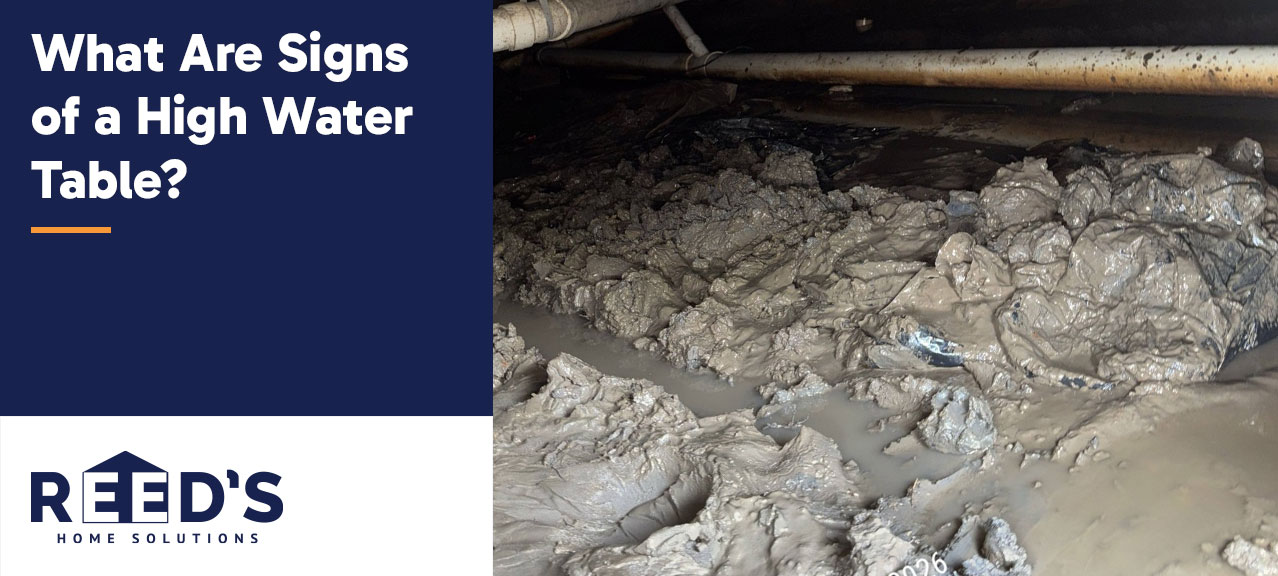
In homes with crawl spaces, rising groundwater turns dirt floors into damp, mold-breeding grounds. Investing in professional crawl space encapsulation—which involves installing a heavy-duty 12 to 20 mil vapor barrier across the floor and walls—seals out soil moisture, improves interior air quality, and prevents floor joist rot.
Frequently Asked Questions
Can you lower the water table around your home?
No, you cannot lower the regional water table around your property, as it is determined by local geology, soil composition, and seasonal rainfall. However, you can control how groundwater interacts with your foundation by installing an interior French drain high water table system to relieve hydrostatic pressure directly beneath your slab.
Will a sump pump solve a high water table issue by itself?
A sump pump alone is usually insufficient. Without an interior drain tile network to collect water from under the entire floor and direct it to the pit, a sump pump will only remove water from the immediate area surrounding the pit, leaving the rest of your foundation vulnerable to hydrostatic pressure.
Does homeowners insurance cover damage caused by a high water table?
Standard homeowners insurance policies generally do not cover damage caused by rising groundwater or a high water table. Insurance typically considers groundwater seepage a maintenance issue or floods requiring a separate flood insurance policy or sump pump failure endorsement.
Protect Your Foundation from Rising Groundwater
You cannot change the water table beneath your neighborhood, but you can control whether that water gets into your home. Ignoring the signs of a high water table—whether it is efflorescence on basement walls, hydrostatic pressure foundation cracks, or a pump that will not stop running—only leads to more expensive structural repairs down the road.
At Reed’s Home Solutions, we specialize in custom-engineered high water table foundation solutions. From heavy-duty interior drainage tile to high-capacity battery-backup sump systems and crawl space encapsulation, our team has the experience required to keep your basement dry no matter how high the water table rises.
Don’t wait for the next heavy rainstorm to flood your basement. Contact Reed’s Home Solutions today for a comprehensive groundwater evaluation and custom waterproofing estimate!