Spray Foam Insulation in Knoxville, TN
Residential Spray Foam Insulation in Knoxville, TN
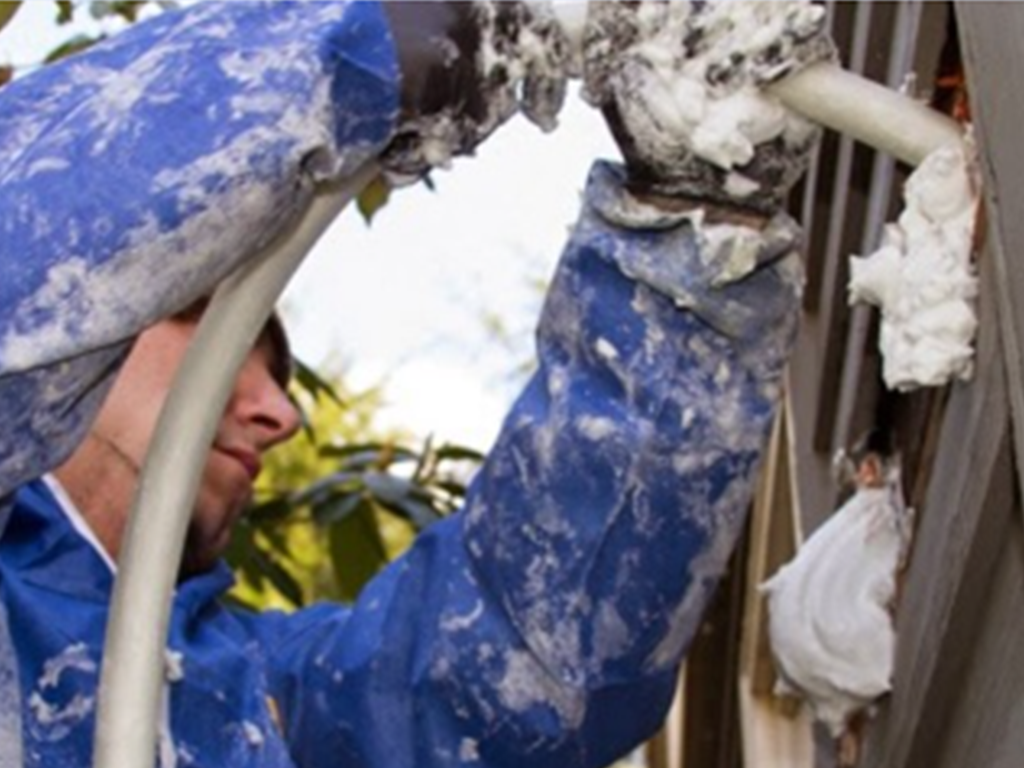
If you are shopping for spray foam insulation Knoxville TN homeowners can count on, start with what the product really does. Foam goes on as a liquid, expands within seconds and hardens into a solid layer that fills seams, gaps and awkward corners. One material insulates and seals air leaks in the same pass, which batts and loose-fill cannot do alone. In many East Tennessee houses, it is the fix that finally calms a roasting upstairs bedroom.
Reed’s Home Solutions installs residential spray foam insulation in Knoxville and the towns around it. Each job begins with a free, no-obligation inspection. We look at the space, explain which foam belongs where and hand you a clear price before anything is sprayed. Once a house is properly insulated, your heating and cooling bills can shrink by up to 15%.
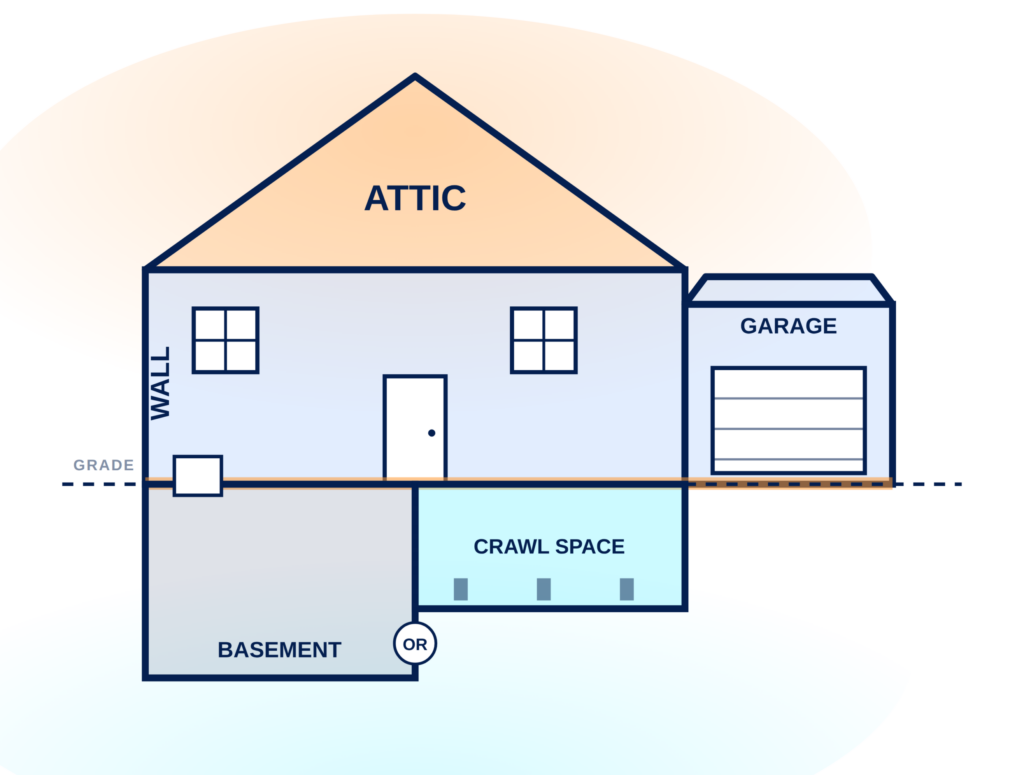
Knoxville summers are thick with humidity, and winter cold snaps put every wall and attic to the test. Foam earns its place where leaks and moisture cause the most harm, such as rim joists, basements, crawl spaces, attics and the roof deck.
Closed-Cell vs. Open-Cell Spray Foam Insulation
Foam comes in two forms, and they behave very differently once installed. We match the product to the space instead of using one type everywhere.
Closed-cell foam
Open-cell foam
Thermal resistance by thickness
Closed-cell foam
Roughly R-6 to R-7 each inch
Open-cell foam
Roughly R-3.5 to R-3.6 each inch
Feel after curing
Closed-cell foam
Hard and dense
Open-cell foam
Soft, light and springy
Reaction to liquid water
Closed-cell foam
Pushes it away
Open-cell foam
Absorbs it and passes it along
Vapor control
Closed-cell foam
Works as its own vapor retarder
Open-cell foam
Lets vapor travel through
Best fit
Closed-cell foam
Damp crawl spaces, below-grade walls, rim joists and some roof decks
Open-cell foam
Dry roof assemblies and wall cavities that stay clear of moisture
Picking the Right Spray Foam for Your Knoxville Home
Closed-cell foam packs the most R-value into the least space. It does not take on water, it blocks vapor and it adds stiffness to the surface it covers. For those reasons we reach for it in crawl spaces, below-grade walls, rim joists and anywhere dampness keeps coming back.
Open-cell foam is lighter and gives less R-value for the same depth, but it expands a great deal and fills irregular framing very well. It makes sense in dry roof assemblies and interior cavities.
Many houses call for both. A walkout basement might get closed-cell foam on the block walls and rim joist, while the rafters in the attic above get open-cell.
Foam rarely wins on the lowest price line, so we say plainly when it pays off. A drafty attic or a wet crawl space often needs several fixes, and one foam install can cover them. Over a dry attic floor with plenty of open space, blown-in insulation might serve you better, and you will hear that from us.
Where Spray Foam Insulation Works Best
These are the places we choose foam most often across East Tennessee.
Attics and Roof Decks
Foam on the underside of the roof deck brings the attic inside your thermal boundary, so the rooms below stay steadier through hot afternoons and cold nights.
Crawl Spaces
Foam applied to the perimeter walls and a ground cover taped tight to them keep damp outdoor air away from the floor framing overhead.
Basements and Rim Joists
Rim joists leak a surprising amount of air. Foam shuts those gaps and warms the foundation walls just below them.
Walls and Garages
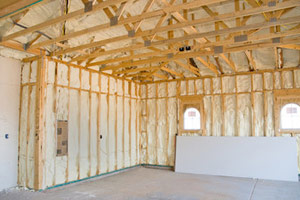
Exposed stud bays and garage walls gain a lot from foam, since the seal matters as much as the R-value.
Cantilevers and Vaulted Ceilings
Overhangs, bonus rooms over open air and cathedral ceilings leave almost no space for loose-fill, so foam is the practical answer.
Benefits of Spray Foam Insulation for Knoxville Homes
Here is what foam delivers that other insulation types struggle to match.
- Insulation and air sealing together. One application slows heat flow and closes the gaps that let conditioned air escape.
- High R-value in tight spaces. Closed-cell foam delivers about R-6 to 7 per inch — useful in rafters and stud bays with little depth to spare.
- Moisture resistance. Closed-cell foam turns away liquid water and blocks vapor — a real advantage in a region with heavy rain and damp air.
- Lower energy bills. Sealing and insulating the envelope can trim your utility spending by as much as 15%.
- Even temperatures. You get fewer drafts and less difference between the upstairs and downstairs.
- A quieter interior. A filled cavity cuts outside noise.
Spray Foam Insulation Installers Serving Knoxville and East Tennessee
Our crews install foam across the Knoxville area, supported by our East Tennessee regional office in Surgoinsville, TN. We also work in Farragut, Maryville, Oak Ridge, Sevierville, Clinton, Jefferson City, Alcoa, Powell, Lenoir City, Loudon, Seymour, Kodak, Strawberry Plains, Pigeon Forge and Gatlinburg.
Looking for Knoxville insulation contractors who also understand moisture and foundations? You get one team that can insulate, waterproof and repair. Our service areas page lists every town.
Whether the project is the attic, a crawl space, a garage or the entire house, expect one visit, a straight explanation of your choices and a single proposal that carries the work through to the finish. Owners of warehouses and metal buildings can see our commercial spray foam work.
Why Foam Suits the East Tennessee Climate
Knoxville sits in climate zone 4. Summers are sticky and long, and winters swing between mild days and hard freezes. On a July afternoon, the roof and walls soak up heat, humid air finds every gap and the air conditioner runs without a break. In January, heated air drifts out the top of the house and the rim joist while cold drafts press in near the foundation.
Foam handles both seasons because it seals as it insulates. The closed-cell type adds moisture resistance, a big help in crawl spaces and basements where warm, damp air meets cool surfaces. The rim joist ranks among the leakiest spots in any house, and foam seals it better than anything else we install.
That combination suits hilly lots, walkout basements and crawl spaces set on piers or block walls. Foam is also a strong choice for the insulation for old homes Knoxville neighborhoods are full of, where gaps are common. If you want to compare numbers, Knox County’s energy requirements list the R-values expected for new work. When the real problem is water entering the house, we send you to basement waterproofing or crawl space repair before any foam goes up.
How We Install Spray Foam Insulation
Good results start with careful preparation and the right working conditions. A typical job follows these stages.
Inspect and plan
We check the space for moisture, leaks and structural concerns, and we note what insulation is already in place.
Protect and prepare
Floors, belongings and any finished surfaces get covered. Wet or failed insulation and any moisture source are dealt with before foam goes on.
Confirm conditions
Foam bonds and cures properly only inside a set temperature range, so we verify the surfaces and air are ready before the first pass.
Spray and review
The crew builds the foam up to the depth we discussed, confirms nothing was missed and tidies the area. Most attics, walls and garages are done in a single day, and we tour the result with you.
Signs You Should Consider Spray Foam Insulation
Foam is not right for every project, but it solves these problems best.
- An attic that leaks air, or an upper floor that runs far hotter or colder than the rest.
- Frigid floors over a crawl space, or a stale smell rising from below.
- Basement walls that feel clammy, or a rim joist where you can feel a draft.
- Vaulted ceilings, cantilevers or a room over the garage with no clear floor to blow insulation across.
- Insulation for old homes in Knoxville with gaps, sagging batts or cavities that never got filled.
- Insulation for a basement in Knoxville that has failed, gone damp or never existed at all.
Spray Foam vs. Blown-In vs. Batt Insulation
Here is foam beside the two other materials we put in homes.
Comparison point
Spray foam
Blown-in
Batt
Comparison point
Thermal resistance by thickness
Spray foam
About R-3.5 to 7, based on the foam
Blown-in
About R-3.2 to 3.8
Batt
About R-3.0 to 4.3
Comparison point
Air sealing
Spray foam
Excellent
Blown-in
Limited
Batt
Limited
Comparison point
Behavior around moisture
Spray foam
Closed-cell turns water away
Blown-in
Varies with the material
Batt
Can hold moisture
Comparison point
Common use
Spray foam
Leaky areas, wet crawl spaces, rim joists and rafters
Blown-in
Attic floors and enclosed walls
Batt
Open stud bays
Book Your Free Spray Foam Inspection in Knoxville
A walk through every attic, crawl space, basement and wall cavity shows where energy is escaping, and we propose the foam that suits each spot, along with a plain price.
Proven by Results, Recognized for Excellence
Spray Foam Insulation Questions From Knoxville Homeowners
What should I expect to pay for spray foam in Knoxville?
Your total follows the foam type, the square footage and the amount of prep. Foam tends to run higher per square foot than blown-in or batt, though sealing air at the same time can let one job replace two. A free inspection gets you a firm estimate.
Does foam beat fiberglass or blown-in?
Not everywhere. Foam wins when air leakage or moisture is the main trouble, as in leaky attics, rim joists, crawl spaces and basement walls. Elsewhere, blown-in or batt keeps the budget in check and performs well.
How is open-cell foam different from closed-cell?
Closed-cell foam is dense, rated near R-6 to 7 for each inch, and it repels liquid water. Open-cell foam is lighter and softer, at roughly R-3.5 to 3.6 an inch, and it lets vapor pass. We assign each type to the parts of your house where it fits.
What are the benefits of spray foam insulation?
It insulates and air seals in a single step, packs a lot of R-value into thin spaces and, in its closed-cell form, resists moisture. Your heating and cooling bills can drop by as much as 15%.
Can spray foam be installed in a house that is already built?
Yes. Finished houses routinely get it sprayed onto attic rafters, crawl space walls, basement walls and open stud bays.
Is spray foam safe for my family?
Trained installers control the work area. We explain the process ahead of time, including how long you and your family should stay out of the space.
Can I finance spray foam insulation?
You can. Flexible financing is offered, and we are glad to go over it at your estimate. Details are on our financing page too.
How long does installation take?
Timing depends on square footage and prep. Most attics, walls and garages are done in a single day, and your estimate spells out the schedule.
What about a damp, moldy crawl space or basement?
It helps with moisture control, but it is not a cure for standing water or active mold. The source has to be dealt with first. We handle crawl space repair and basement waterproofing as well.
Where in a house do you use foam?
We spray it on rim joists, crawl space walls, basement walls, attic rafters and roof decks, then open wall framing and garages, plus cantilevers and vaulted ceilings. Jobs span Knoxville and the rest of East Tennessee.
Areas We Serve
Spray foam insulation from Reed’s, available in Knoxville and the towns around East Tennessee.