
Knoxville Mold Remediation & Inspection
Why Professional Mold Inspection Matters
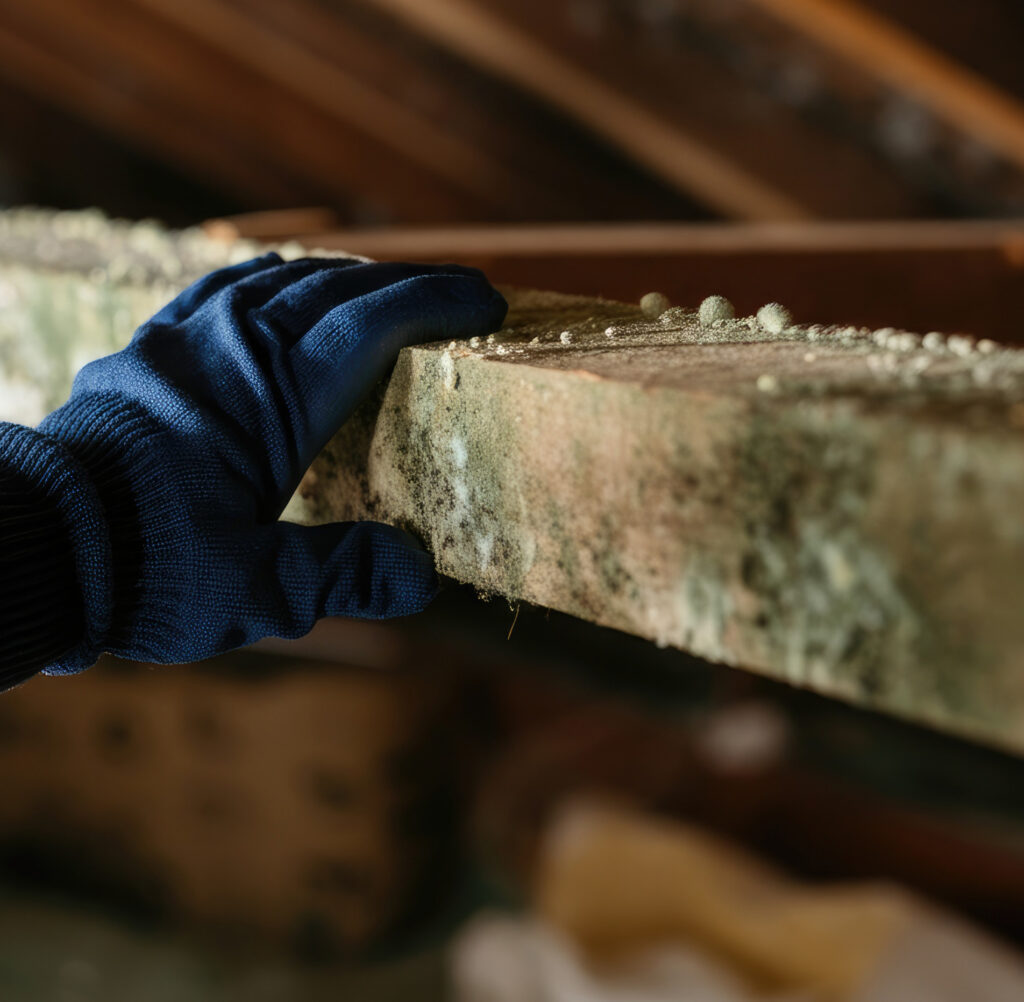
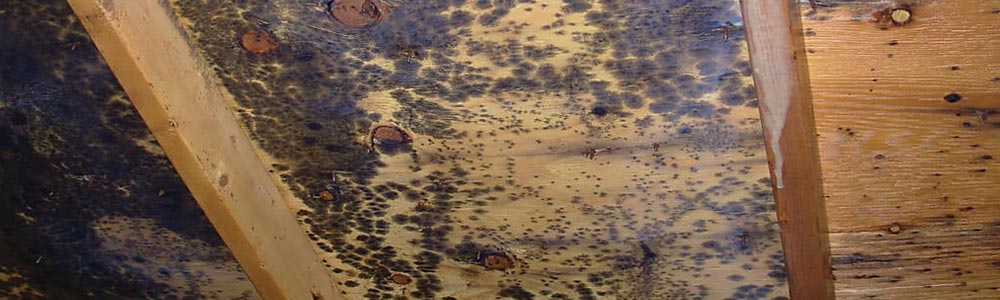
Understanding Mold in Knoxville Homes
Mold spores exist everywhere in the outdoor environment, but active growth only develops when three conditions combine: appropriate temperature, organic material to consume (drywall paper, wood, carpet backing, dust), and moisture. Moisture is the most critical element. Any remediation approach that fails to address the moisture source will deliver only temporary results.
Effective solutions from Reed’s Home Solutions combine safe removal of contaminated materials with comprehensive moisture control strategies to keep mold from returning.
Common Causes of Mold Growth
Roof leaks and exterior failures
Damaged shingles, clogged gutters, or compromised flashing can permit rain to penetrate into attics and wall cavities where moisture accumulates.
Plumbing leaks
Slow drips beneath sinks, behind walls, or around fixtures generate constant dampness that may remain undetected until stains or odors emerge.
Basement and crawl space moisture
Foundation seepage, inadequate grading, and seasonal flooding are significant mold triggers in Knoxville. Without proper intervention, these spaces can remain damp for extended periods.
High indoor humidity
Humidity exceeding 60% encourages mold growth on walls, ceilings, and furnishings. Target 30–50% RH.
Poor ventilation
Bathrooms and kitchens without exhaust fans trap steam and moisture.
Condensation
Warm, humid air meeting cold surfaces—windows, pipes, or uninsulated walls—creates perfect micro-environments for mold.
Remember: water-damaged materials should be dried within 24–48 hours. Beyond that timeframe, porous items such as drywall, insulation, carpeting, and ceiling tiles typically require removal.
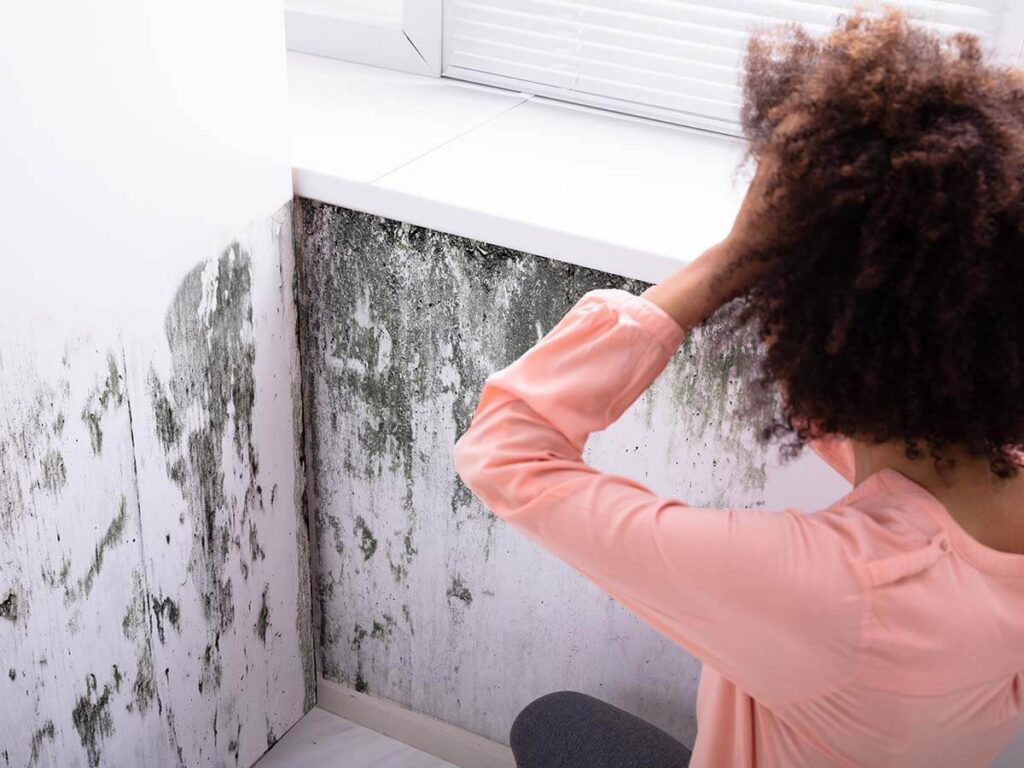
Signs You Need a Mold Inspection in Knoxville, TN
Early detection prevents minor issues from escalating into major repairs. Contact Reed’s Home Solutions if you observe:
- Musty or earthy odors, particularly after rain or during humid days
- Visible spots or discoloration in black, green, white, gray, or brown
- Worsening allergy-like symptoms at home that improve when you’re away
- Recent leaks or flooding—even if surfaces appear dry.
- Ongoing condensation on windows, plumbing, or exterior walls
- Paint that peels, finishes that bubble, drywall that warps, or ceilings that sag
When you detect or smell mold, treat it as a confirmed problem. Any indoor mold growth demands removal, no matter what color it appears.
Property Damage and Structural Concerns
Mold typically remains on surfaces, yet the same damp conditions that support mold also create an environment for wood-decay fungi. Critical components including floor joists, support beams, sill plates, and subfloors—particularly in crawl spaces—face serious risk. Restoration frequently demands removing extensive sections of compromised framing, resulting in disruptive and costly repairs.
Mold also breaks down porous building materials such as drywall, carpeting, and insulation. Prolonged moisture exposure causes warping, sagging, persistent odors, and compromised structural integrity. Documented mold problems can lower resale value and deter potential buyers until a licensed contractor like Reed’s Home Solutions completes proper remediation and delivers a comprehensive post-treatment report.
Air Quality and Health Implications
Mold spores and fragments become airborne and circulate through HVAC systems, spreading contamination well beyond the original location. Mold releases allergens, irritants, and microbial volatile organic compounds (mVOCs), which produce the characteristic “musty” smell associated with damp buildings.
Air fresheners or masking agents won’t eliminate the problem. Only removing the moisture source and contaminated materials—handled professionally by Reed’s Home Solutions—restores healthy indoor air quality.
When Professional Help Is Required
EPA guidelines recommend homeowners seek professional assistance for mold contamination exceeding 10 square feet. Smaller areas on non-porous surfaces may be cleaned using detergent and water, though proper protective equipment (N95 respirator, gloves, eye protection) remains essential.
Seek professional mold remediation in Knoxville, TN if:
- The contaminated area exceeds 10 square feet
- The contamination involves sewage or floodwater
- Mold is suspected within walls, ceilings, or ductwork
- Residents experience persistent symptoms that improve away from home
- Infants, elderly individuals, or people with asthma, COPD, allergies, or weakened immunity reside in the home
Take Action: Schedule Your Inspection or Remediation
Don’t wait for mold to spread or for odors and symptoms to worsen. Professional inspection from Reed’s Home Solutions often reveals that the problem is smaller and more manageable than anticipated. In other cases, hidden issues are discovered early—preventing far more expensive structural repairs later.