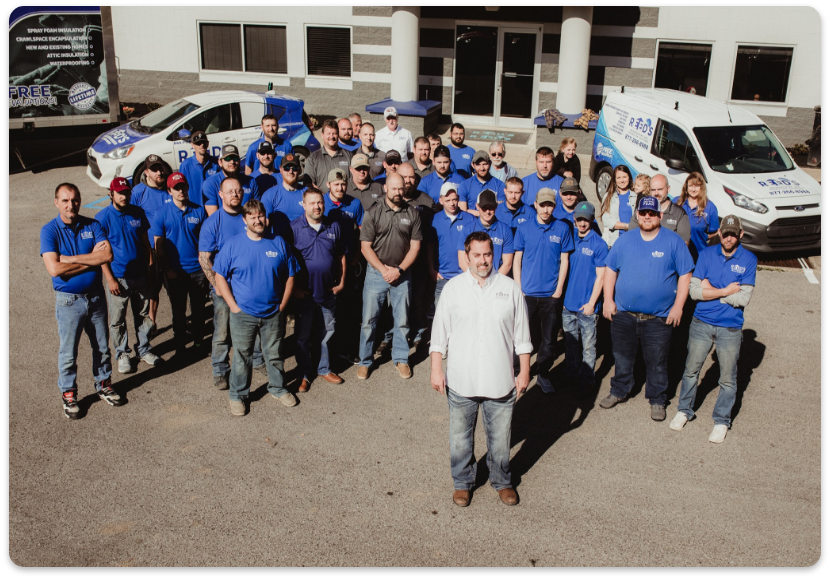
Roanoke, VA Foundation Repair
Expert Foundation Repair Contractors in Roanoke, VA
Foundation issues pose serious risks for homes across the Roanoke Valley. If you need expert foundation repair in Roanoke, VA, Reed’s Home Solutions understands how the region’s expansive clay soils, mountain topography, and heavy seasonal precipitation create challenging conditions that compromise your home’s structural integrity. These environmental factors create constant lateral and vertical pressure as Roanoke clay soils swell during spring rains and shrink during summer droughts.
Foundation problems never fix themselves—minor stress cracks today can rapidly escalate into major structural failure tomorrow.
Roanoke Foundation Repair Services:
- Foundation Piers (Push & Helical Piers)
- Wall Anchors & Carbon Fiber Strapping
- Adjustable Floor Support Jacks & Steel Wall Braces
- Underpinning & Slab Stabilization
Understanding Roanoke's Foundation Challenges
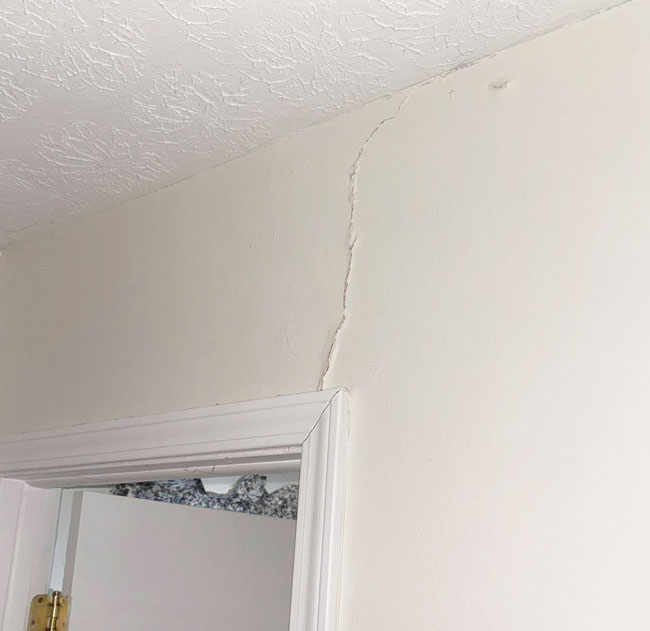
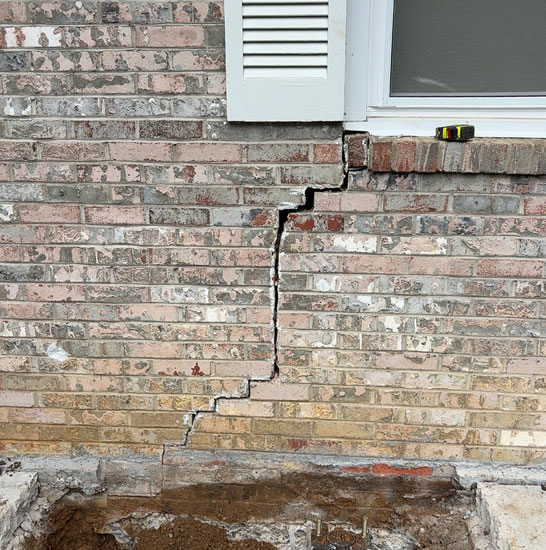
The continuous swell-shrink cycle of Roanoke Valley soil exerts tremendous dynamic stress on concrete block, poured concrete, and stone foundations. Watch for early warning signs like stair-step masonry cracks, binding doors, sloping subfloors, and jammed window sashes. These structural symptoms are interconnected—foundation displacement compromises your entire building envelope, requiring certified structural repair professionals to stabilize the home from the footings up. Delaying necessary interventions leads to compounding structural damage and eroded equity, with unaddressed foundation defects reducing home resale values by 10% to 20%.
Taking Action Early Protects Your Investment
Foundation settlement and wall failure cause cascading structural defects throughout your residence. Roanoke’s steep lot gradients and clay-dense subsoil accelerate damage, turning subtle settling into severe, hazardous displacement.
Common foundation-related problems in Roanoke homes include:
- Fractured drywall, plaster, and exterior brick veneer
- Sticking, misaligned interior doors and window frames
- Unlevel, sloping, or bouncy floors on main living levels
- Hydrostatic groundwater seepage and moisture infiltration
- Pest entry through subterranean foundation gaps and wall fractures
Professional foundation repair in Roanoke safeguards your real estate investment. Addressing structural movement early ensures simpler, less invasive stabilization methods at a significantly lower cost.
Free foundation assessments identify minor soil shifts before they turn into major structural failures. Reed’s Home Solutions provides zero-obligation evaluations to inspect your footings, measure wall deflection, and engineer an exact, permanent repair plan. Quick action saves thousands of dollars and prevents the stress of severe structural compromise down the road.
Effective Foundation Repair Methods for Roanoke Homes
Every structural defect requires a engineered solution tailored to your home’s unique load requirements and soil conditions. Here are the proven stabilization techniques used by Reed’s Home Solutions:
Foundation Piering Systems
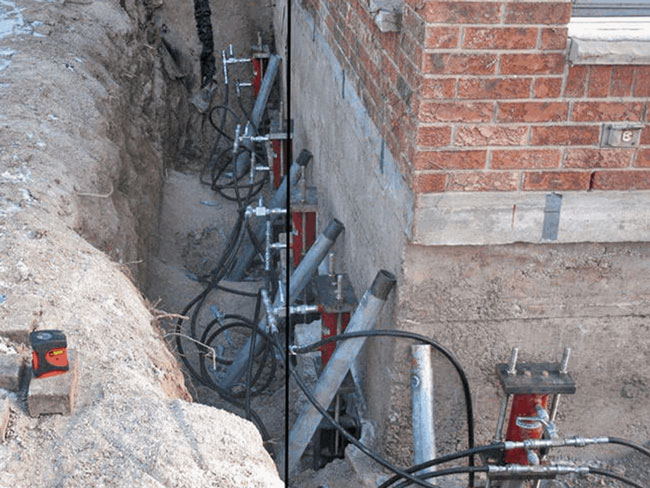
Piering systems transfer your home’s heavy structural load past weak surface clay down to stable bedrock or load-bearing soil strata.
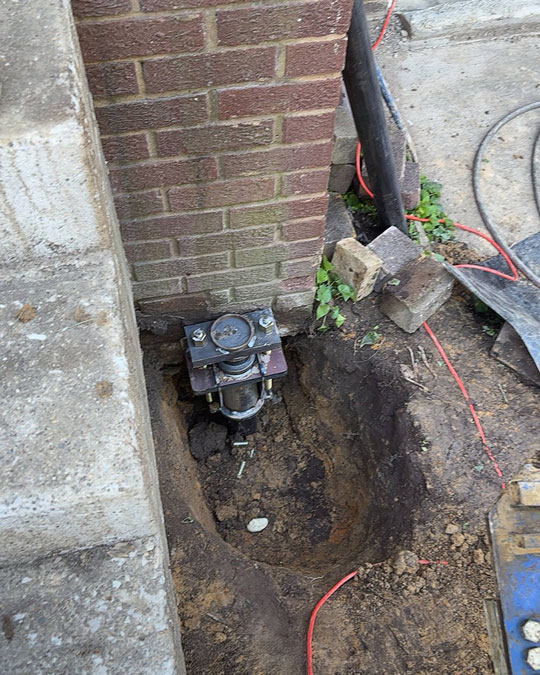
- Steel Push Piers: Driven deep into dense earth using hydraulic pressure; ideal for heavy multi-story residences, severe settlement, and tight-access installs with minimal yard disturbance.
- Helical Piers: Screwed deep into the soil with helical plates; ideal for lighter structures, decks, porches, or pre-construction foundation support.
Wall Support & Straightening Solutions
For foundation walls bowing inward under heavy earth and hydrostatic pressure:
- Wall Anchors: Connect heavy-duty interior wall plates to steel earth anchors driven far into your yard, holding walls securely and allowing gradual straightening over time.
- Carbon Fiber Strapping: Ultra-strong carbon fiber strips bonded with structural epoxy to reinforce walls bowing under 2 inches—offering a low-profile repair without exterior excavation.
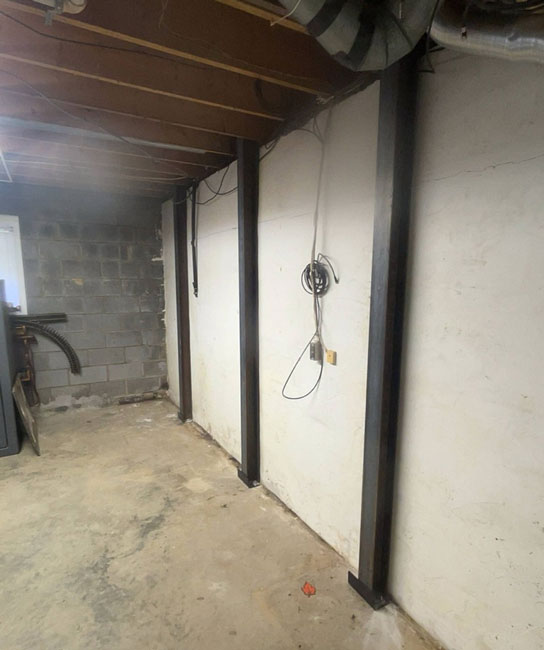
- Heavy-Duty I-Beams: Rigid steel beams secured to the floor joists and concrete slab to immediately arrest severe wall inward movement when exterior excavation is unfeasible.
Concrete Slabjacking & Polyurethane Foam Injection
For sunken concrete slabs, driveways, and stoops, high-density polyurethane foam injection (polyjacking) lifts settled slabs back to grade through tiny, non-intrusive 5/8-inch drill holes.
What Are The Early Signs That My Roanoke Home May Have Foundation Problems?
Early detection of foundation movement prevents catastrophic structural failures and keeps repair costs manageable.
Exterior Warning Signs
- Stair-step cracks in brick veneer, stone facades, or mortar joints following foundation movement.
- Separation gaps exceeding 1/4 inch around exterior door frames, window casings, or soffits.
- Tilting or leaning chimneys pulling away from the siding or roofline.
- Foundation wall bowing visible along exterior grade lines or basement walls.
- Exterior foundation cracks wider than 1/8 inch or showing active water seepage.
Interior Warning Signs
- Sticking doors and windows caused by distorted, un-square wood framing.
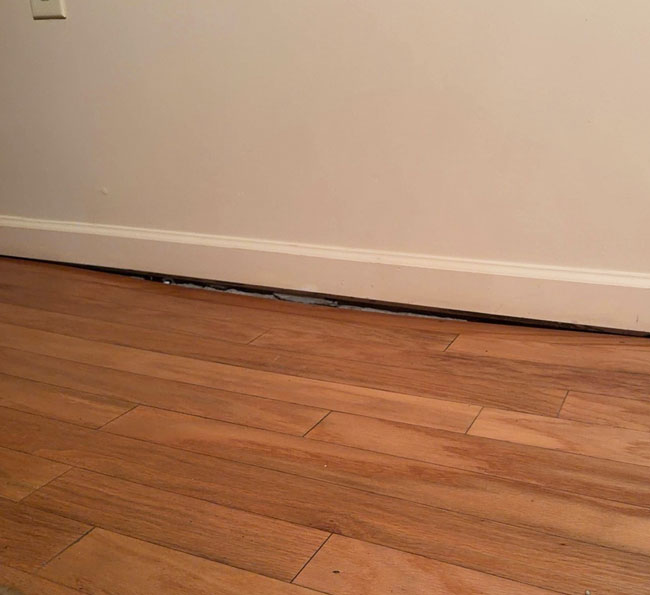
- Sloping or uneven floors with noticeable dips, soft spots, or squeaks.
- Diagonal drywall cracks extending from the corners of interior doors and windows.
- Ceiling and wall gaps where interior walls pull away from floors or ceilings.
Basement & Crawl Space Warning Signs
- Water leaks or dampness collecting at baseboard seams after mountain rainfall.
- Horizontal cracks running along concrete block mortar lines.
- Walls bowing inward at the top or center under soil load.
- Efflorescence (powdery mineral residue) indicating chronic moisture transmission through porous concrete.
Roanoke’s clay-dense soils continuously stress foundations through moisture-driven soil shifts. If you spot any of these warning signs, contact Reed’s Home Solutions immediately for a professional evaluation.
Are Cracks in my Basement Walls Normal or Do They Indicate a Serious Issue?
Spotting basement wall cracks is a common concern for Roanoke homeowners. While minor settling occurs, knowing which cracks require urgent structural intervention is critical to protecting your home.
- Hairline Cracks (Under 1/8 inch): Common in newly poured concrete as it cures and settles. These are typically non-structural but should be monitored or sealed against moisture.
- Vertical Cracks: Generally caused by natural initial settling or thermal expansion. While less structurally alarming than horizontal cracks, any vertical crack wider than 1/4 inch or leaking groundwater needs professional polyurethane sealing.
- Horizontal Cracks (CRITICAL): Run sideways across basement or crawl space walls. These indicate extreme lateral earth and hydrostatic pressure pushing the wall inward. Structural engineers consider horizontal cracking a primary indicator of impending wall failure that requires immediate structural anchoring or bracing.
- Diagonal Cracks (30–75 Degrees): Typically signal differential settlement—where one corner of the home sinks faster than the rest. These worsen over time as clay soils expand and contract, binding doors and windows above.
- Stair-Step Cracks: Common in block foundations when soil shifts underneath footings. Unaddressed block foundation cracks allow water intrusion and weaken structural load capacity.
Moisture Control & Prevention Tips for Roanoke Homeowners
- Regrade Soil: Ensure soil slopes away from your foundation by at least 6 inches over the first 10 feet to shed surface water.
- Maintain Gutters & Downspouts: Clean gutters twice yearly and extend downspouts 5 to 10 feet away from foundation walls to prevent localized water pooling.
Schedule a Free Foundation Evaluation
For reliable foundation repair that Roanoke, VA homeowners trust, turn to the experts at Reed’s Home Solutions. Contact us online to schedule your comprehensive, no-obligation foundation evaluation today!