Lexington Foundation Repair
Foundation Repair Lexington KY
Foundation issues pose serious risks for Lexington homeowners. If you need foundation repair Lexington KY, Reed’s Home Solutions understand how the region’s clay-rich soil and 46-inch annual rainfall create challenging conditions that can compromise your home’s stability. These environmental factors cause constant pressure changes as clay soils expand and contract with moisture fluctuations.
Foundation problems only worsen over time, with minor issues potentially escalating into major structural concerns.
Lexington Foundation Repair Services:
- Foundation Piers
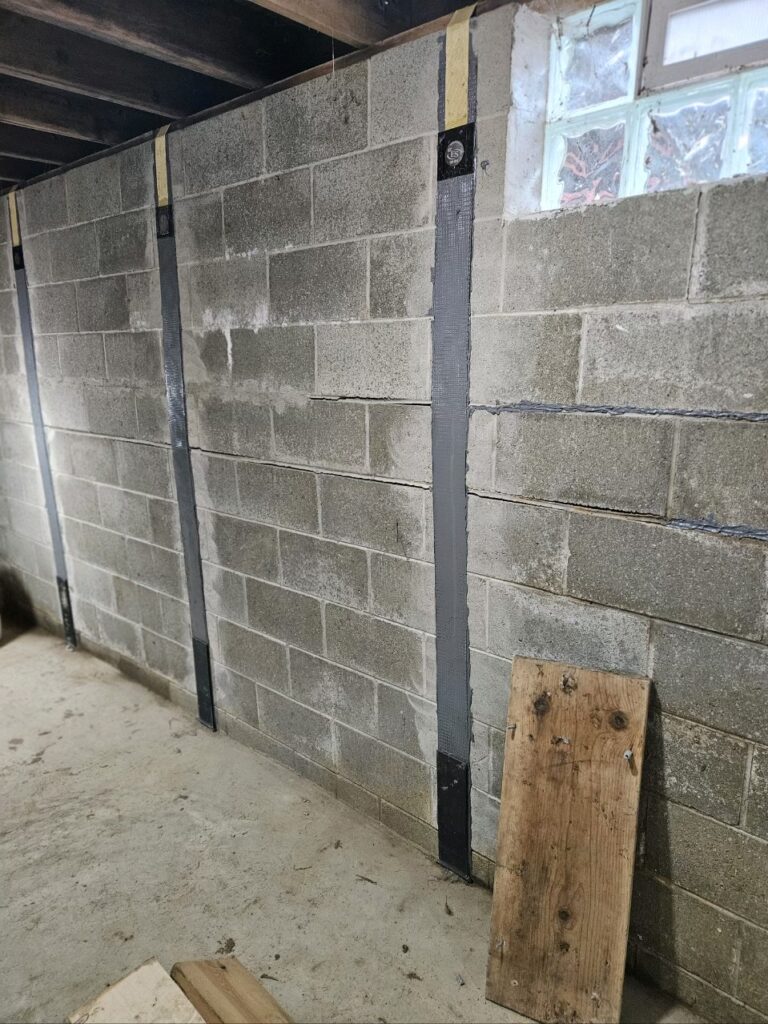
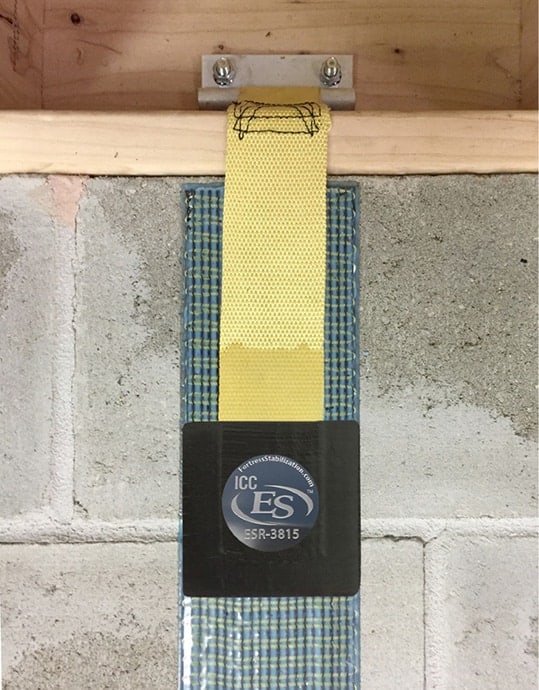
- Wall Anchors
- Wall Braces
- Underpinning
Understanding Lexington's Foundation Challenges
Taking Action Early Protects Your Investment
Foundation issues create cascading problems throughout your home. Lexington’s challenging soil conditions accelerate damage, quickly turning minor problems into serious structural concerns.
Common foundation-related problems include:
- Cracked walls and ceilings
- Sticking doors and windows
- Uneven or sloping floors
- Water seepage and moisture damage
- Pest entry through foundation gaps
Professional foundation repair in Lexington protects your home investment. Acting early typically means simpler repairs and lower costs.
Free foundation assessments help catch minor issues before they become major structural problems. Most reliable companies offer these evaluations to check your foundation and suggest appropriate fixes.
Quick action saves money and prevents the stress of major foundation failure later. Foundation problems worsen with time, becoming more expensive to repair.
Effective Foundation Repair Methods for Lexington Homes
Foundation Piering Systems
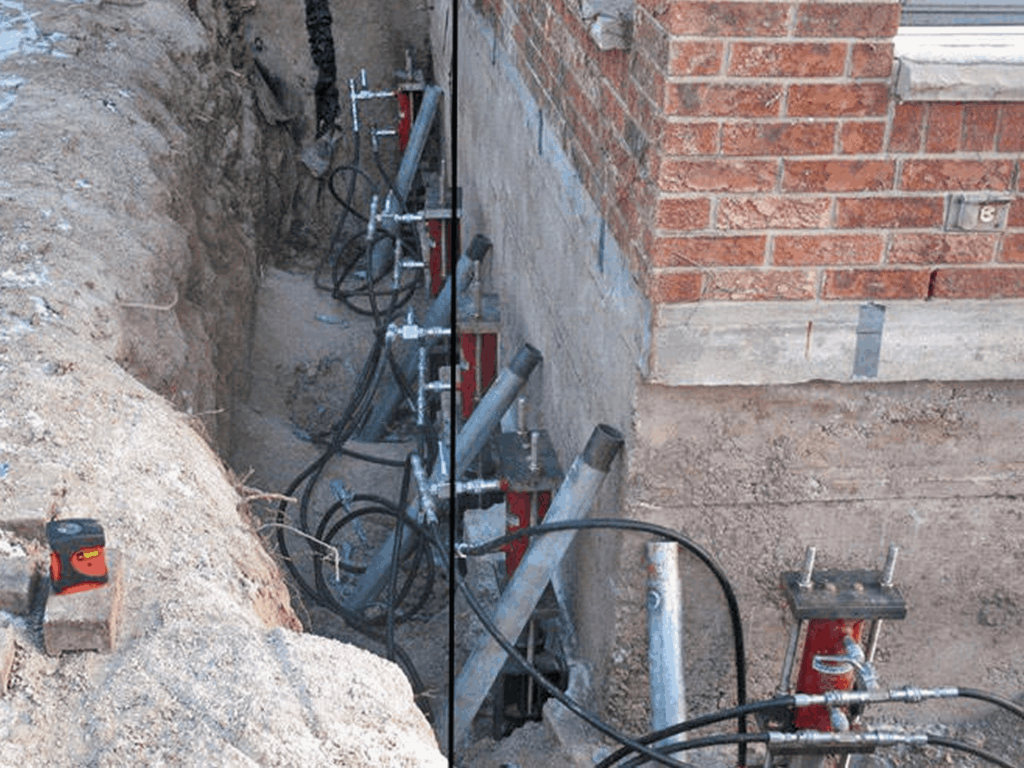
Piering systems transfer your home’s weight to stable soil layers. Common options include:
Push piers – Steel sections driven to bedrock, ideal for:
- Heavy or multi-story buildings
- Serious settlement issues
- Minimal interior disruption
Helical piers work well for lighter structures, while concrete piers provide solid support after curing.
Wall Support Solutions
Deep vs. Shallow Repairs
Repairs are either deep (like piering for settlement) or shallow (surface-level fixes).
Slabjacking and polyurethane injection are two effective concrete lifting methods. While slabjacking uses a slurry mixture through 2-inch holes, polyurethane requires smaller 5/8 inch openings.
What Are The Early Signs That My Lexington Home May Have Foundation Problems?
Early detection of foundation issues can prevent costly repairs and major structural damage. Addressing warning signs promptly keeps repairs manageable and affordable.
Exterior Warning Signs
Check these signs when walking around your home:
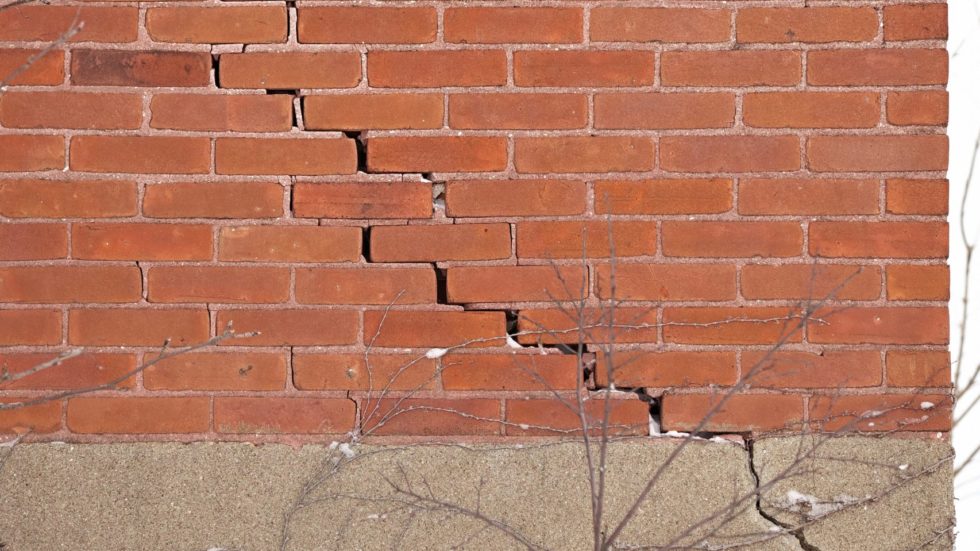
- Stair-step cracks in brick/masonry following mortar lines indicate settlement
- Gaps exceeding ¼ inch around doors, windows, or trim show foundation shifting
- Chimney tilting away from house needs immediate expert evaluation
- Bowing foundation walls signal excessive soil pressure
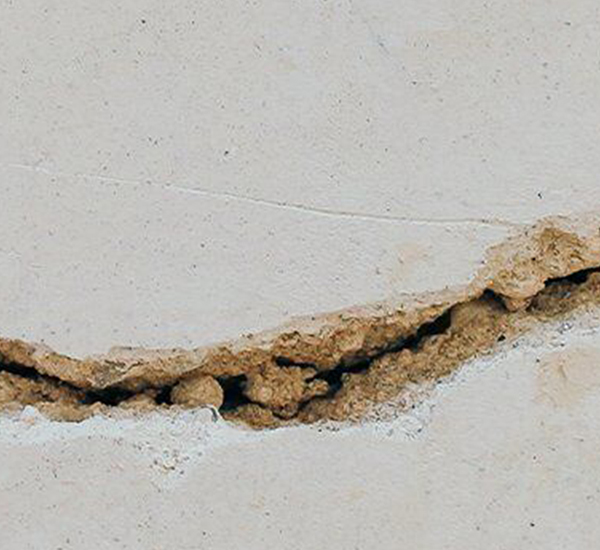
- Foundation cracks wider than ⅛ inch or leaking water require assessment
Interior Warning Signs
Indoor changes often develop slowly. Watch for:
- Sticking doors and windows from frame distortion
- Uneven floors with noticeable slopes or dips
- Wall/ceiling cracks, especially those wider at one end
- Gaps between walls and floors/ceilings showing structural separation
Basement-Specific Warning Signs
For homes with basements, look for:
- Water intrusion after rain indicating foundation cracks
- Horizontal wall cracks showing serious structural issues
- Walls pushing inward at top/middle
- White powder deposits on walls showing moisture problems
Lexington’s clay-rich soils create ongoing foundation stress through expansion and contraction cycles.
Many of these issues indicate the need to repair foundation walls before the damage worsens. If you notice any of these warning signs, contact Reed’s Home Solutions immediately. Foundation problems worsen over time, so early intervention is crucial to protect your home’s structure.
Are cracks in my basement walls normal or do they indicate a serious issue?
Most homeowners worry when they spot basement wall cracks. While not every crack signals disaster, knowing which ones need urgent attention is important.
Some cracks are normal. Hairline cracks under 1/8 inch often appear in the first year as foundations settle and concrete cures. These rarely indicate structural issues.
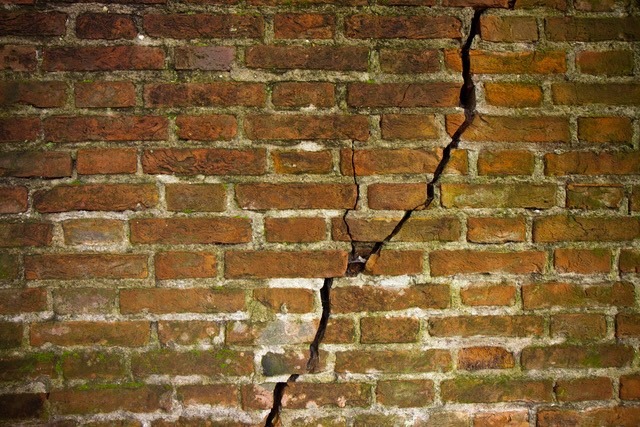
Vertical cracks running straight up and down are typically less concerning. They usually result from rain pressure or natural settling. However, cracks wider than 1/4 inch need professional repair.
Horizontal cracks are serious and require immediate attention. These run across walls and show excessive external pressure from soil or water. According to engineering experts, these rank among the most dangerous foundation issues and can lead to wall failure without repair.
Diagonal cracks at 30-75 degree angles often show uneven settling. While not immediately threatening, they typically worsen without proper fixes, especially if one end is wider or windows stick.
Block foundations face unique risks from stair-step cracks following mortar joints, which often require professional block foundation repair to prevent worsening structural damage. These develop when soil shifts unevenly, often from poor drainage.
Crack width helps determine severity. Those exceeding 1/4 inch need professional repair, while hairline cracks under 1/8 inch are usually normal settling. Growing cracks or those leaking water need prompt evaluation.
Professional inspection remains essential for accurate assessment and preventing minor issues from becoming major problems.
Control moisture around your foundation with proper drainage. Ensure soil slopes away from your home by 6 inches over 10 feet to direct rainwater away from foundation walls. Check grading regularly as soil settles over time.
Keep gutters clean and working properly to prevent water from pooling near your foundation. Clean them twice yearly and extend downspouts 5-10 feet from your home.
Schedule Your Foundation Inspection and Repair