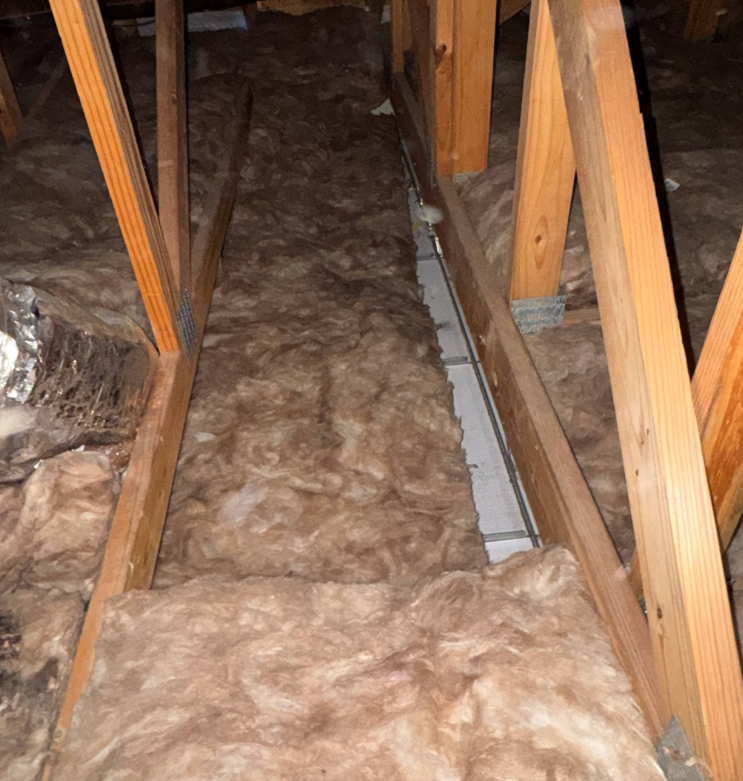
Batt Insulation
Transforms Your Home’s Energy Efficiency
- Reduces heating and cooling costs by up to 15% through effective thermal resistance and proper installation techniques
- Prevents air leakage and drafts when installed correctly with attention to sealing gaps around the batts
- Fits standard wall cavities and joist spaces with pre-cut dimensions that simplify installation in new construction
- Provides long-term durability with a lifespan of 20-30 years minimum without significant degradation or performance loss
- Enhances indoor air quality by creating a barrier against outdoor pollutants and allergens entering your living space
Choosing the Right Batt Insulation
Selecting the right batt insulation depends on your home’s specific needs and construction requirements. Fiberglass batt insulation offers excellent thermal performance and cost-effectiveness for wall and ceiling applications, while mineral wool batt material provides superior fire resistance and sound-dampening properties for enhanced safety in various residential conditions.
Our insulation specialists evaluate factors such as your home’s construction, climate exposure, and performance goals to recommend the most suitable material type. We ensure proper installation techniques that maximize the insulation’s thermal performance and create effective barriers that deliver consistent energy savings year after year.

Where to Insulate?
New Construction & Gut Renovations
This is the “ideal” time for batts. When the wall studs are exposed and there is no drywall yet, installers can easily tuck the batts into the cavities.
- Exterior Walls: Faced batts (with paper) are usually used here to act as a vapor barrier.
- Interior Walls: Often used for soundproofing between bedrooms, bathrooms, or home offices.
Floors and Basements
Batts are much easier to manage than blown-in insulation when you are working against gravity.
- Over Crawl Spaces: Batts are tucked between the floor joists and held up with wire “lightning rods” or mesh.
- Basement Walls: If you are finishing a basement, batts are installed against the foundation (often with a moisture barrier) before the drywall goes up.
- Above Unheated Garages: Used to keep the floor of the room above the garage warm.
Accessible Attic Spaces
While blown-in is popular in attics, batts are used in specific attic scenarios:
- Cathedral Ceilings: Since there is no “floor” to blow insulation onto, batts are stuffed into the rafters of the sloped ceiling.
- Knee Walls: These are the short vertical walls in a finished attic. Batts are stapled into these walls to separate the living space from the “dead” attic space behind them.
- Attic Floors: Many homeowners prefer batts for DIY attic upgrades because you don’t need to rent a bulky blowing machine.
Schedule Your Free Inspection
Our certified specialists will inspect your home, explain the problem, and provide a no-obligation estimate. Get started by filling out the form below.
Home Energy Audit
Our certified energy specialists conduct thorough home energy audits to identify every opportunity for insulation improvements that can enhance your home’s efficiency and comfort. We use advanced diagnostic equipment including infrared cameras and digital manometers to locate thermal bridging, air leakage points, and areas where existing insulation has failed or settled. This detailed assessment allows us to prioritize insulation upgrades that will deliver the greatest energy savings and comfort improvements for your investment. Ready to discover how much you could save with proper insulation?
Learn more about our detailed Home Energy Audit process. Schedule your free assessment today.
Related Job
Job completed for Attic and crawlspace project-Delbarton, WV
Completion date: September 14, 2022
Location: Burnsville, NC
Why did the customer contact us?
The customer recently moved to the area and purchased this home, which was in desperate need of better insulation. The customer’s goals were making the home more comfortable and energy efficient at the same time.
Solutions provided:
In the crawlspace area, we covered the earth with a 30 mil liner and sealed the liner around the perimeter walls with closed cell spray foam insulation. The liner helps prevent mold and mildew growth as well. This created a continuous seal around the foundation, as all vents are sealed up. The rim joist area was insulated with spray foam insulation and a dehumidifier was installed and drained to the outside of the foundation. We also installed a new crawlspace access door. In the attic, the roof deck was insulated with a nominal 6 inches of open cell spray foam insulation. This brings the attic into the thermal envelope of the home, ensuring that the attic space stays a more consistent temperature and a healthier place for storage items. Both of these projects together will make the home much more comfortable…less drafts, less humidity, cleaner air, and a more comfortable temperature without overworking the HVAC unit.