
Blown In Crawl Space Insulation
Your crawl space creates energy problems that impact your monthly bills. Cold floors, high heating costs, and uncomfortable rooms signal air and heat escaping through your crawl space. Many homeowners recognize something’s wrong but struggle to understand crawl space insulation or which materials solve their specific problems.
Reed’s Home Solutions specializes in blown-in insulation for crawl spaces throughout West Virginia, Virginia, Tennessee, Kentucky, and Ohio. We help property owners choose the right insulation approach based on crawl space conditions, moisture levels, and energy efficiency goals. Whether your crawl space needs moisture control, better air sealing, or improved thermal performance, we deliver lasting results.
What Is Blown-In Insulation for Crawl Spaces
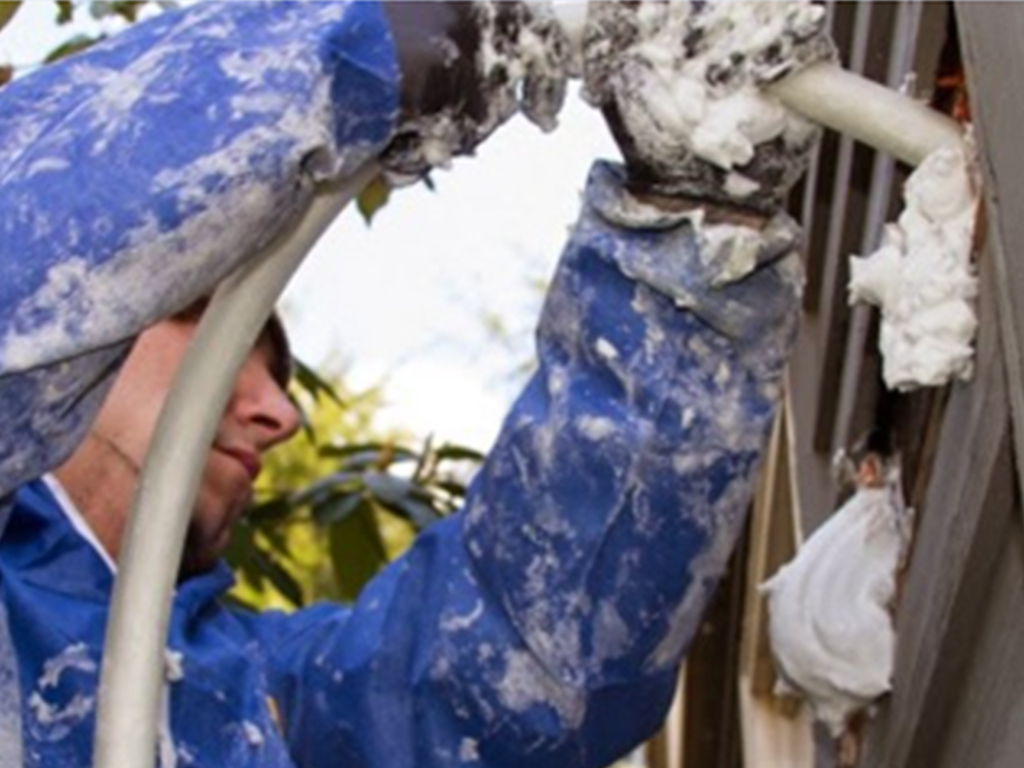
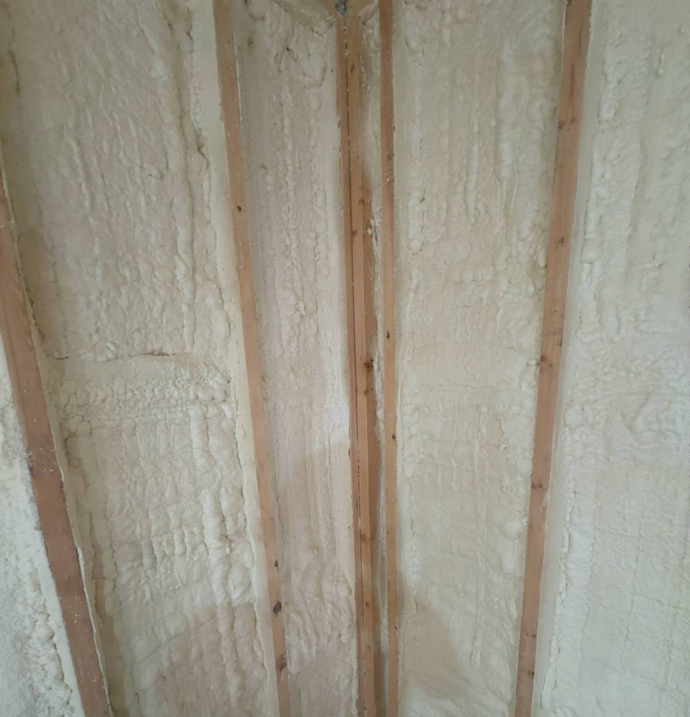
Blown-in insulation uses loose-fill fibers propelled into targeted areas through specialized blowing equipment. The fluffy material settles into every crack and crevice, creating a thermal barrier that stops heat transfer between your crawl space and living areas. Reed’s Home Solutions applies this technique throughout West Virginia, Virginia, Tennessee, Kentucky, and Ohio when crawl space conditions allow successful installation.
This approach fills gaps and irregular surfaces that batt insulation cannot reach. The loose fibers flow around obstacles and settle into place, eliminating air pockets that reduce insulation effectiveness. Installation speed and gap-filling capability make blown insulation appealing for many crawl space projects.
How Blown-In Insulation Works
The installation process centers on a specialized blower machine equipped with a hopper, engine, blower mechanism, and delivery hose.
Your crawl space houses essential home systems—heating, cooling, plumbing, and electrical components. Without proper insulation, outside air and moisture enter freely, creating cold floors, higher energy bills, and potential structural damage.
HVAC systems work harder when crawl spaces lack insulation, increasing monthly utility costs. Winter cold penetrates uninsulated crawl spaces, chilling floors and forcing heating systems to run constantly. Summer heat rises from below, making air conditioning struggle to maintain comfortable temperatures. Proper crawl space insulation creates a thermal barrier that helps HVAC equipment operate efficiently while reducing energy expenses.
Insulated crawl spaces prevent heat loss during winter. Your furnace operates less frequently to maintain desired temperatures, directly lowering energy bills. During warmer months, insulation blocks ground heat from entering living spaces, maintaining comfort with less air conditioning.
Damp crawl spaces become breeding grounds for harmful mold spores that circulate into living areas. These spores damage wooden structural elements while creating health risks for family members with allergies or respiratory conditions. Insulation materials combined with vapor barriers help maintain low moisture levels and prevent mold development.
Freezing temperatures can burst pipes in uninsulated crawl spaces, causing extensive water damage. Temperature fluctuations cause wooden beams to expand and contract repeatedly, gradually compromising structural integrity. Insulation maintains stable temperatures that protect plumbing from freeze damage while preserving structural stability.
Air circulation naturally carries crawl space contaminants—dust, allergens, and outdoor pollutants—into rooms where your family spends time. Effective insulation blocks these contaminants while maintaining fresh indoor air quality year-round.
Key Benefits of Blown Insulation
- Blown-in insulation costs less upfront than full encapsulation while improving comfort.
- The material fills gaps and irregular spaces other insulation types miss.
- Installation happens quickly in most cases.
- Energy bills drop when blown insulation limits heat transfer.
Common Drawbacks to Consider
All blown-in materials settle over time, reducing insulating value. Cellulose settles more than fiberglass, sometimes losing significant effectiveness. The material absorbs moisture without proper vapor barriers, creating conditions for mold growth and structural damage.
Blown insulation provides thermal protection but doesn’t control moisture problems. If your crawl space has humidity issues, water intrusion, or poor drainage, adding insulation without addressing these root causes can trap moisture against wooden components.
Moisture Management Strategies
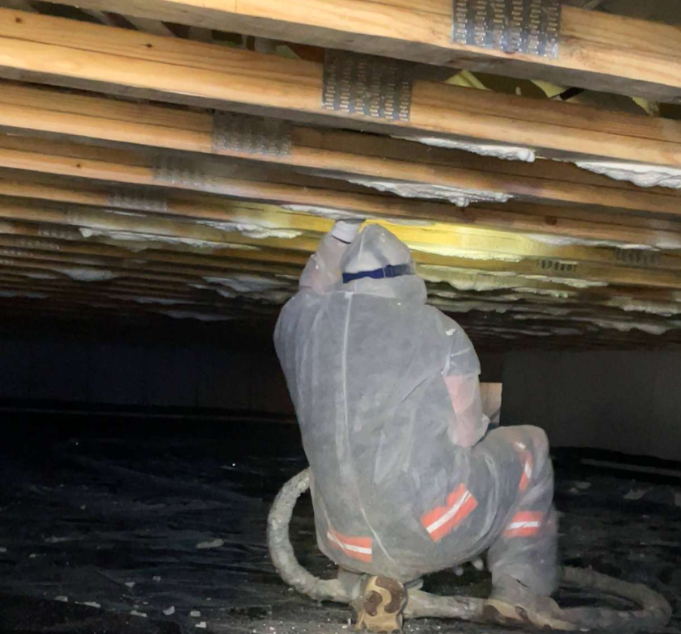
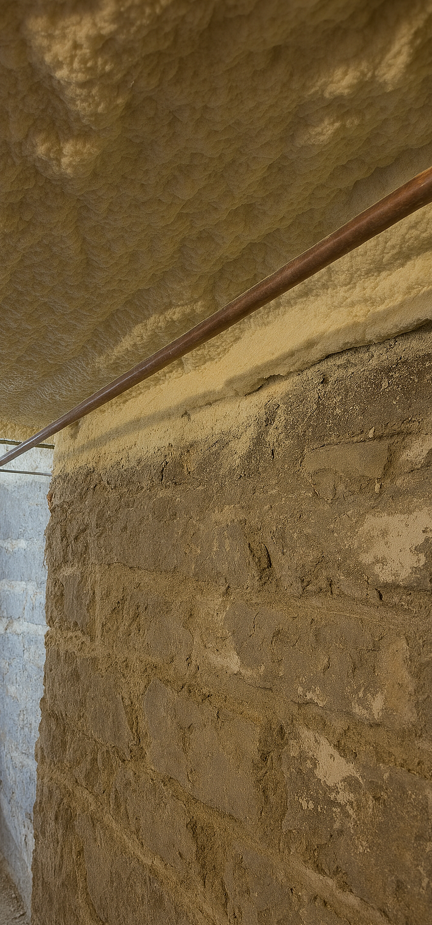
Moisture control determines whether blown insulation succeeds or fails. Proper ventilation prevents moisture buildup and mold growth, but many crawl spaces need vapor barriers installed before insulation work begins. The vapor barrier stops water vapor from seeping through soil and foundation walls.
Some crawl spaces require encapsulation—complete sealing with vapor barriers—before blown insulation becomes viable.
Long-Term Performance and Maintenance
Blown-in insulation outperforms sagging batts that leave gaps. However, settling occurs as loose-fill material compacts. Fiberglass settles less than cellulose, requiring minimal maintenance.
Regular inspections maintain performance. Check your crawl space after heavy rains to spot moisture problems before they damage insulation or structural components.
Contact Reed's Home Solutions for Crawl Space Insulation Solutions
We assess crawl spaces throughout West Virginia, Virginia, Tennessee, Kentucky, and Ohio to determine the best insulation approach. Our specialists identify moisture sources, structural concerns, and ventilation issues affecting insulation performance.
Contact Reed’s Home Solutions today for a free inspection.