
Foundation Problems Hidden in Plain Sight
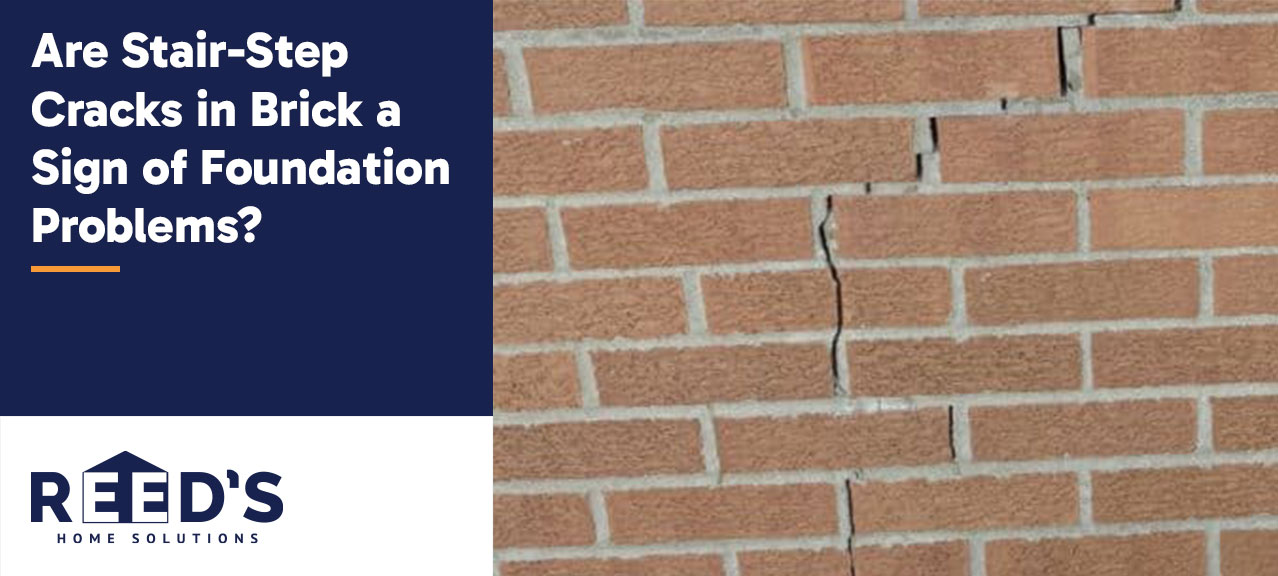
At Reed’s Home Solutions, we’ve seen how stair step cracks in foundation walls reveal serious structural issues. These distinctive zigzag patterns following mortar joints between bricks signal underlying foundation problems that need immediate attention. Our experience with expansive clay soils shows they can expand up to 20% when wet, creating pressures that damage foundations.
The Cost of Waiting
Many homeowners mistakenly believe foundation cracks will stabilize on their own. However, ignoring these warning signs leads to:
- Worsening structural damage
- Water intrusion issues
- Decreased property value
- Growing safety concerns
Our team has repaired thousands of foundations across Ohio, West Virginia, Kentucky, and Tennessee. Early intervention is crucial for preventing major structural issues.
What Causes Stair Step Cracks in Brick Walls?
Soil Settlement and Shifting
Clay-rich soils create unique challenges by expanding when wet and shrinking during dry periods. This causes:
- Uneven foundation pressure
- Differential settlement
- Progressive crack development
Hydrostatic Pressure
Water accumulation around foundation walls creates substantial lateral pressure that:
- Forces walls to bow inward
- Creates horizontal cracking
- Develops stair-step patterns along mortar joints
Poor Construction Issues
Inadequate reinforcement and construction methods can lead to:
- Structural weakness
- Uneven settling
- Progressive foundation damage
Contact Reed’s Home Solutions today for a thorough foundation inspection.
Poor Construction Practices
At Reed’s Home Solutions, we often find foundation issues that trace back to initial construction. Homes built on poorly compacted soil face higher settlement risks. When builders skip proper soil preparation, the home’s weight gradually compresses loose ground, leading to uneven settling.
Substandard materials and insufficient reinforcement during construction cannot withstand normal soil pressures, eventually showing up as stair step cracks.
Frost Heave Effects
In colder regions, frost heave poses unique challenges. This occurs when:
- Soil moisture freezes and expands
- Ground temperatures drop below freezing
- Soil conditions support ice lens formation
Spring thaws trigger soil contraction, causing uneven settling and crack formation. Each freeze-thaw cycle weakens foundation stability.
Plumbing Issues
Hidden plumbing leaks near foundations can:
- Over-saturate specific soil areas
- Create moisture imbalances
- Force foundation movement
- Lead to localized heaving
Even small, undetected leaks can develop into major structural concerns over time.
Common Crack Locations
Our extensive experience shows stair step cracks typically appear in:
- Foundation corners (4-5 inches from edges)
- Window and door openings
- Below-grade walls
- Load-bearing wall intersections
Watch for these warning signs:
- Door misalignment
- Window frame separation
- Zigzag patterns in mortar joints
- Interior wall cracks
These critical junctions experience concentrated stress, particularly at material transitions like brick meeting stucco. Such cracks signal differential settlement, where foundation sections move unevenly. At Reed’s Home Solutions, we frequently encounter these distinctive stair-step patterns in crucial structural areas.
How Stair Step Cracks Form in Your Basement Walls
Our extensive experience examining thousands of basement foundations throughout our service regions reveals clear patterns about underlying foundation issues.
When Your Foundation Settles Unevenly
Stair step cracks typically begin with differential settlement—where parts of your foundation sink at varying rates due to uneven soil support. Unlike uniform settlement, this creates stress that forces cracks along mortar joints, forming distinctive zigzag patterns.
Soil Pressure Against Basement Walls
Basement walls constantly battle surrounding soil pressure. When this pressure exceeds wall strength, cracks develop. Lower wall sections face increasing pressure with depth, making them particularly vulnerable. Watch for inward wall bowing—a clear indicator of excessive soil pressure.
Clay Soil’s Seasonal Cycle of Damage
Clay-rich soils expand significantly when wet, creating immense wall pressure. This seasonal swelling and shrinking creates an “active zone” beneath your home. Each cycle gradually weakens mortar joints until characteristic stair-step cracks emerge.
Water Problems Create Perfect Conditions
Poor drainage sets up ideal crack conditions. Water-saturated soil dramatically increases pressure against foundation walls. This intensifies in colder regions where freeze-thaw cycles create additional stress.
Foundation Repair Solutions for Stair Step Cracks
Crack Injection Services
For hairline and moderate cracks, we use specialized injection systems that permanently seal and stabilize damage. Our epoxy injections effectively bond concrete, restoring structural integrity using low-viscosity resins that penetrate even tiny cracks. For cracks with seasonal movement, we employ polyurethane foam injection that expands to fill wider gaps while maintaining needed foundation flexibility.
Carbon Fiber Reinforcement
When walls show bowing signs, our carbon fiber reinforcement delivers 15,000 pounds of tensile strength per strand. These unidirectional fibers create permanent structural support without bulky systems taking up basement space. With industrial-grade epoxy application, carbon fiber straps stop wall movement while preserving basement finishing options.
Steel Support Systems
Advanced wall movement needs steel solutions. Our systems include:
- Wall anchors connecting interior plates to exterior anchors
- I-beam systems that can stabilize and potentially straighten walls over time
Foundation Lifting and Support
For differential settlement causing stair step cracks, we provide:
- Helical piers that work like steel screws into stable soil
- Push piers using hydraulic pressure to reach bedrock
Drainage Solutions
While fixing cracks addresses symptoms, controlling water prevents future issues through:
- Buried downspout extensions
- Proper grading
- French drains
- Interior drainage with sump pumps
We provide free inspections to determine the best solution for your specific situation.
Your home’s foundation needs protection. Stair step cracks in brick walls, basement, or around openings signal foundation issues requiring immediate attention. Delays increase repair complexity and costs.
Contact Reed’s Home Solutions for: • Free foundation inspections • Expert evaluations • Customized repair solutions
Protect your investment – schedule your free inspection today.