
Did you know that 50% of the air in your crawl space travels into your living space? That musty smell in your home might be directly linked to your crawl space humidity levels.
At Reed’s Home Solutions, we often hear homeowners across West Virginia, Ohio, Kentucky, Tennessee, and Virginia ask if moisture in their crawl space is normal. While some moisture is natural, excessive dampness can lead to serious issues.
The good news is that maintaining proper humidity is achievable. Industry experts recommend keeping relative humidity between 30% and 50% year-round. This range creates an optimal environment for both your crawl space and home.
However, when relative humidity exceeds 60%, you’re at risk for mold growth. High moisture levels can trigger a cascade of problems: wood rot, structural damage, poor air quality, and pest infestations.
In humid regions across our service area, just one season of neglecting your crawl space can initiate years of gradual structural damage. Wood starts decaying when its moisture content reaches 30%.
Don’t let your home fall victim to moisture damage. This guide will walk you through everything about managing crawl space humidity effectively. We’ll provide practical solutions to protect your foundation, enhance air quality, and maintain your home’s structural integrity for years to come.
What Should Crawl Space Humidity Be?
Managing your crawl space properly starts with understanding healthy moisture levels beneath your home. Getting these measurements right can mean the difference between a stable foundation and expensive repairs later.
- A dry crawl space naturally deters pests seeking moisture
Can your crawl space become too dry? When humidity falls below 30%, wood may become overly dry, potentially causing structural concerns. However, this rarely occurs in most climates, as it’s challenging to achieve such low moisture levels.
When 60%+ Humidity Becomes Dangerous
When relative humidity rises above 60%, your crawl space becomes susceptible to serious issues. According to EPA guidelines, mold can develop on most surfaces when humidity remains above this level for extended periods.
At 60%+ humidity, your crawl space attracts unwanted visitors:
- Mold and mildew growth
- Wood-decaying fungi
- Termites and wood-destroying insects
- Dust mites
- Moisture-seeking rodents
Your wooden support beams can develop structural problems as they absorb moisture. Research by the Structural Pest Control Board indicates that termite infestations commonly begin in high-humidity crawl spaces, which provide ideal conditions.
Remember: nearly half of your indoor air comes from below through the “stack effect,” where humid air and mold particles rise into your living space. Poor crawl space conditions can directly affect your family’s health, potentially triggering respiratory issues in those sensitive to mold and allergens.
Why Crawl Spaces Become Moisture Traps
Crawl spaces naturally collect moisture due to their location and design. Understanding the underlying causes helps address these issues effectively.
The traditional solution of venting crawl spaces seems logical but often backfires. These vents create problematic entry points:
- Warm, humid summer air enters and condenses on cool surfaces
- Rain can seep in during storms
- Cold winter drafts chill floors and cause condensation
Poor insulation compounds these issues by creating temperature differences between surfaces. In summer months, inadequately insulated spaces allow hot, humid air to enter and condense on cooler areas. Winter reverses this effect—cold air infiltrates, making floors uncomfortable and causing condensation where warm house air meets cold surfaces.
Ground Moisture You Can’t See
Even seemingly dry crawl spaces face constant moisture from the soil below. This invisible vapor accumulates quickly—all soil releases some moisture, even when appearing dry. Areas where vapor barriers were removed often reveal visibly damp soil underneath.
Moisture also penetrates foundation walls, especially after heavy rains or in high water table areas. The surrounding soil pressure forces moisture through concrete blocks, maintaining dampness. This worsens when:
- Your property slopes toward the house
- Drainage systems are inadequate
- Foundation walls lack proper waterproofing
- Hidden plumbing leaks persist
These factors combine to create persistent humidity in your crawl space, regardless of weather conditions or ventilation. Reed’s Home Solutions helps homeowners across WV, OH, KY, TN and VA address these moisture challenges effectively.
While extremely dry conditions might seem ideal, they create their own problems. Wood structural components can shrink and develop cracks. Winter often reveals previously hidden issues like drafty floors, uneven heating, and rising utility costs.
Why Temperature Swings Matter So Much
Understanding crawl space humidity changes requires grasping some basic science. The dew point indicates the exact temperature where air becomes saturated and must release moisture. Unlike relative humidity, dew point measures actual water vapor content in the air.
For every degree of temperature drop, relative humidity increases approximately 2.2%. Even modest 10-degree temperature swings between day and night can dramatically affect crawl space moisture levels.
Your crawl space constantly responds to outdoor conditions throughout the year. No single solution works year-round. While controlled ventilation may help during cool, dry periods, sealed vents and dehumidification become essential during humid summers.
Water Finds Its Way into Your Crawl Space Through These Common Entry Points
Water infiltrates crawl spaces through multiple routes. Understanding these entry points helps address humidity issues before home damage occurs.
Unsealed Vents and Gaps
Crawl space vents often become the main problem despite their intended benefits. Originally designed for airflow, these openings allow humid outside air to enter your cooler crawl space, causing condensation on surfaces.
Beyond vents, check for gaps around utility lines, poorly sealed access doors, and pipe entry points. Even minor openings contribute to significant moisture issues over time.
HVAC equipment in crawl spaces can create moisture problems through condensation on cold surfaces or leaking drain lines. When ductwork has issues like disconnected supply lines or unsealed joints, conditioned air escapes and creates condensation when it meets different temperature zones. Regular HVAC system inspections by Reed’s Home Solutions experts help maintain proper crawl space humidity levels.
How to Fix Your Crawl Space Humidity Problems
Taking control of crawl space moisture now prevents costly structural damage and improves your family’s air quality. Here are proven solutions from Reed’s Home Solutions:
Install a Vapor Barrier
Start with a quality vapor barrier as your first defense against ground moisture. This protective liner covers the dirt floor, blocking soil moisture from evaporating into your crawl space.
Choose reinforced polyethylene sheeting for durability – basic polyethylene deteriorates quickly. Extend the barrier up foundation walls and overlap seams by at least 6 inches, sealing thoroughly with appropriate tape.
Get a Crawl Space Dehumidifier
Even with a vapor barrier, a dehumidifier is essential for safe humidity levels. Professional-grade units maintain humidity below 60% to prevent mold growth.
Choose models with auto humidistats that shut off at target humidity to save energy. Place the unit centrally on a raised platform with good airflow clearance.
Keep crawl space humidity below 50% to prevent mold growth. At these levels, mold spores become dormant and can’t reproduce. Your family avoids respiratory issues, allergies, sinus problems, headaches, and fatigue from mold exposure – especially important for children, elderly, and those with asthma.
Protect Your Home’s Structure
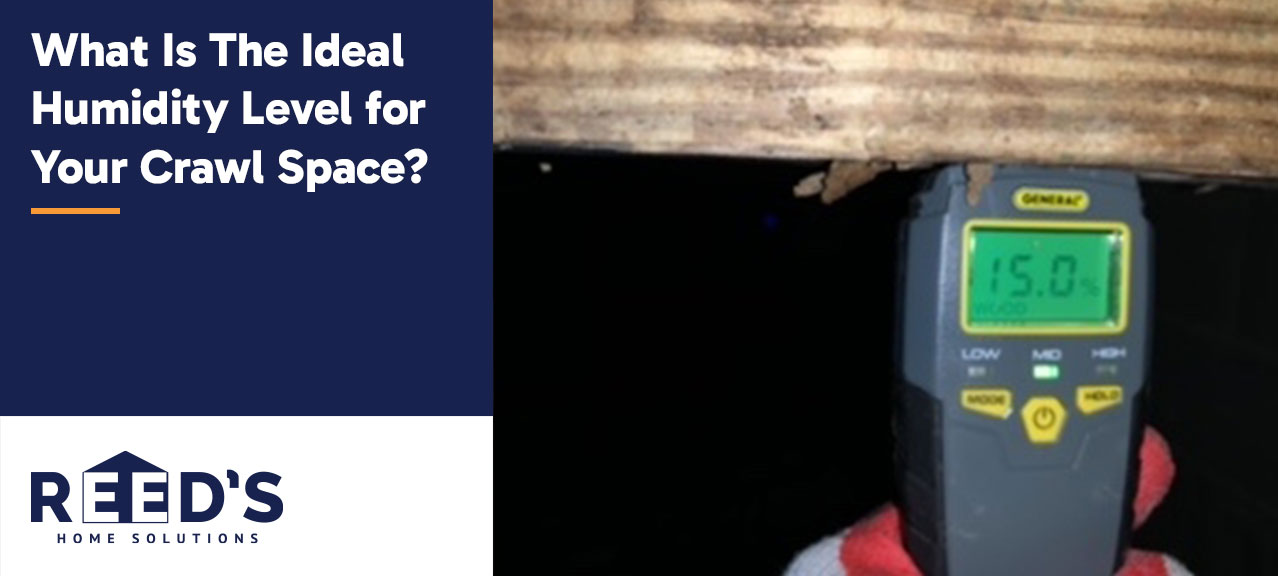
When wood moisture content exceeds 19%, rot begins. Uncontrolled crawl space humidity can severely damage floor joists and subflooring, compromising your home’s structural integrity. Regular humidity control prevents costly structural repairs.
Breathe Cleaner Air Upstairs
Nearly half your indoor air comes from the crawl space. Through the “stack effect,” air rises from below into living spaces. Proper encapsulation by Reed’s Home Solutions prevents harmful gases, bacteria, and allergens from entering your home.
Save Money on Energy Bills
Homes with controlled crawl space humidity can achieve up to 18% better energy efficiency. Your HVAC system works less, extending its lifespan. The investment typically pays for itself in 2-5 years through energy savings while improving home comfort.
Reed’s Home Solutions serves homeowners across Kentucky, West Virginia, Tennessee, Ohio and Virginia, keeping homes dry from top to bottom for complete peace of mind.
Don’t wait for musty odors or water stains. Your crawl space affects your entire home’s health and value. Contact Reed’s Home Solutions for a free inspection and customized solution. Call today.