
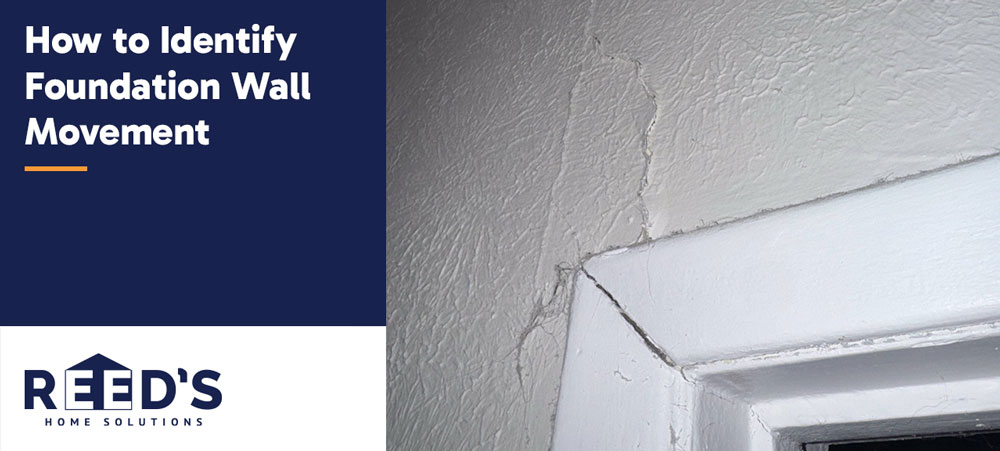
Foundation movement rarely shows up as a sudden collapse. More often, your home gives subtle warnings—small cracks, sticky doors, or slight floor slopes—that feel minor but can signal shifting below the surface.
The difference between catching foundation movement early and waiting too long can cost tens of thousands of dollars. Homeowners who ignore these warning signs can face severe damage, including bowed basement walls, sagging floors, and structural repairs that disrupt daily life.
Reed’s Home Solutions helps homeowners in Kentucky, West Virginia, Tennessee, and Virginia spot foundation movement early—before cracks widen, walls bow, or floors become uneven. Our team can identify what’s normal settling versus a problem that needs foundation repair.
Understanding these warning signs protects your home’s value and keeps your family safe. Most foundation problems develop slowly over months or years, giving you time to take action when repairs remain manageable and affordable.
Understanding Foundation Movement and What Triggers It
Normal Settling vs. Problem Movement
Every foundation movement house experiences some settling as the structure adjusts to soil conditions beneath it. Normal settlement typically stays within about 1/4 inch to 1 inch over twelve months, which many building standards consider acceptable. Problems develop when shifting exceeds these limits, signaling soil instability or structural issues that require professional attention.
Foundation movement falls into three distinct categories. Uniform settlement occurs when your entire foundation lowers evenly, rarely creating structural problems. Tipping settlement causes your house to lean slightly to one side but produces minimal cracking. Differential settlement poses the greatest threat to your home’s stability. This type occurs when one section of your foundation shifts while other areas remain stable, creating the dangerous stair step cracks and structural damage that compromise your home’s integrity.
What Causes Foundation Problems?
Expansive clay soils present the biggest threat to foundation stability throughout Kentucky, West Virginia, Tennessee, and Virginia. These soils absorb moisture and expand up to three times their original volume, then shrink dramatically during dry periods. This constant expansion and contraction cycle puts thousands of pounds of pressure against your foundation walls.
Water is a major driver of wall pressure. Heavy rainfall, snowmelt, or poor drainage can trap water against the foundation, creating hydrostatic pressure that leads to horizontal cracks and bowing walls over time. Clogged gutters, poor yard grading, and short downspouts are common culprits.
Plumbing leaks can saturate soil and wash out support under footers, leading to uneven settling. Tree roots can also change moisture levels in dry periods, contributing to shrinkage and settlement—especially when large trees are planted too close to the home.
Poor soil preparation during original construction compromises your foundation from day one. Natural events including earthquakes, floods, and freeze-thaw cycles also shift soil and damage foundation walls.
Recognizing Early Warning Signs vs. Serious Structural Damage
Foundation problems start small and get worse over time. Early movement typically affects your home’s comfort and function rather than its structural safety. You’ll notice floors that slope slightly, doors and windows that stick occasionally, and hairline cracks in wall finishes. These signs appear first because drywall and trim are less flexible than your home’s structural frame.
Serious foundation movement affects your home’s structural components directly. Horizontal cracks widen significantly, walls bow inward noticeably, and differential settlement accelerates throughout your home. Reed’s Home Solutions has seen minor foundation issues become major structural failures when homeowners wait too long to address these warning signs.
Foundation Warning Signs That Demand Immediate Attention
Your foundation sends clear distress signals before catastrophic failure occurs. These foundation movement signs tend to appear in predictable patterns, and recognizing them early can prevent expensive structural repairs.
Horizontal Cracks – The Most Dangerous Foundation Problem
Horizontal foundation cracks are one of the most serious warning signs. Unlike vertical settling cracks, horizontal cracks run parallel to the ground and often indicate lateral soil pressure pushing in on the wall.
Water-saturated soil creates most horizontal cracks through hydrostatic pressure. Expansive clay soils common throughout Kentucky, West Virginia, Tennessee, and Virginia swell and contract, generating thousands of pounds of force against basement walls. Frost heaving and poor drainage around your foundation contribute to this pressure. These cracks typically develop halfway between ground level and the foundation bottom.
Any foundation wall showing displacement or bowing beyond 1/2 inch represents a serious structural emergency requiring immediate professional intervention.
Stair Step Cracks vs. Vertical Settling Cracks
Vertical cracks can be part of normal settling, but stair step cracks often point to differential settlement and structural movement.
Stair step cracks create a distinctive zig-zag pattern in block or brick foundation walls. These cracks result from differential settlement where one foundation section sinks while adjacent areas remain stable. Foundation corners experience the most stress and commonly develop stair step cracking patterns. These cracks frequently appear alongside horizontal cracks, creating compound structural problems.
Professional inspection becomes necessary when vertical cracks exceed 1/8 inch width or continue widening over time.
Basement Walls That Bow or Bulge Inward
Bowing or bulging basement walls mean outside pressure is exceeding what the wall can resist. If left alone, the wall can continue to deflect and may eventually fail, turning a manageable repair into a major structural project.
Doors and Windows That Won’t Work Properly
When multiple doors and windows start sticking simultaneously throughout your home, foundation settlement is shifting your house frame. Foundation movement pulls wall frames and door openings out of square, creating binding and alignment problems.
Watch for visible gaps appearing around door and window frames. Doors that worked perfectly for years suddenly becoming difficult to open or close signal foundation problems. Persistent sticking that continues after adjusting hinges indicates structural movement rather than normal wear.
Floors That Slope, Bounce, or Feel Uneven
Uneven floors almost always point to a support issue beneath your home. Settlement can create floor slopes, bouncy sections, and surfaces that lose their level orientation. In some cases, these symptoms suggest house foundation sinking in one area while adjacent sections remain stable.
When floor irregularities appear alongside foundation wall cracks and door problems, significant foundation movement is occurring. Reed’s Home Solutions recommends immediate professional inspection when you notice these floor changes to prevent structural damage from spreading throughout your home.
Interior vs. Exterior Signs of Foundation Movement
Some foundation movement signs show up inside first (sticking doors, gaps at trim, and uneven floors), while others are easier to spot outside (cracks in brick or block, separation at exterior corners, and sections of foundation that look out of plane). Looking at both helps you tell the difference between cosmetic wear and active structural movement.
Outside, pay attention to drainage clues that often trigger wall pressure and house foundation sinking: soil that slopes toward the home, downspouts that dump water at the base of the wall, standing water after storms, and mulch beds built up against siding. Inside, basement inspections are especially important because early horizontal cracks, bowing walls, and moisture intrusion are often easier to identify on unfinished wall surfaces before they telegraph through finished drywall.
Foundation Problems Don’t Fix Themselves – They Get Worse and Cost More
Minor Issues Become Major Disasters Quickly
Foundation damage tends to accelerate once it starts. Acting early is typically far less expensive than waiting until cracks widen, walls bow further, or secondary issues appear. Foundation movement also creates added stress on nearby framing and masonry, which can speed up damage in other areas.
Waiting through another wet season and dry season lets damage compound: small cracks widen, framing goes further out of square, and secondary issues (like plumbing leaks or moisture intrusion) become more likely. Addressing problems early is almost always more cost-effective than waiting until walls bow further or floors noticeably sag.
Your Family’s Safety and Your Home’s Value Are at Risk
Severe shifting can create serious safety risks, including walls that continue to bow and openings that go out of square. Foundation issues can also reduce resale value because buyers and lenders treat structural concerns as high risk.
Does Home Insurance Cover Foundation Movement?
Usually, no. Most homeowners insurance policies exclude foundation cracks and settling tied to long-term soil movement, drainage issues, or normal wear and tear. Coverage may apply in limited cases when damage is caused by a covered, sudden event (for example, certain plumbing failures) or if you carry separate endorsements for earthquakes, landslides, or sinkholes. Keep photos, dates, and inspection notes—documentation helps if you ever need to file a claim.
Reed’s Home Solutions helps homeowners avoid these devastating consequences by catching foundation problems early when repairs remain affordable and manageable.
Professional Foundation Repair Solutions That Stop Damage Before It Spreads
When Foundation Experts Become Essential
Multiple warning signs appearing at the same time signal the need for a professional inspection. Reed’s Home Solutions recommends calling a foundation movement repair specialist when you notice horizontal cracks, bowing walls, and sticking doors occurring together. This combination often indicates active shifting that requires expert diagnosis to prevent worsening damage.
Professional foundation inspections cost far less than waiting until walls collapse or floors cave in. Our foundation repair specialists identify the root cause of movement and recommend targeted solutions based on your specific foundation type and soil conditions. Early professional intervention saves homeowners thousands of dollars compared to emergency structural repairs.
Foundation Stabilization Methods That Work
Reed’s Home Solutions uses proven foundation movement repair methods and foundation repair techniques to stabilize homes and prevent further shifting:
- Foundation Wall Repair: Sealing cracks and stabilizing walls before they bow beyond repair
- Wall Stabilization: Installing support systems that prevent further movement
- Foundation Leveling: Restoring your home’s structural alignment and preventing additional settling
- Crawl Space Repair: Addressing moisture and structural issues that contribute to foundation problems
- Mudjacking: Lifting settled concrete slabs back to their original position
Steel piers and helical piers stabilize a settling foundation by transferring the home’s weight to deeper, more stable soil (or bedrock). They’re often used as a permanent foundation movement repair when settlement is ongoing.
Underpinning adds support below the existing foundation, extending it into more stable bearing material to reduce future settlement.
Wall Anchors Stop Bowing Before Collapse
Wall anchors stabilize bowing basement walls by connecting interior steel plates to exterior anchors installed in stable soil away from your foundation. This system requires 15-20 feet of accessible yard space for proper installation. Wall anchors can often straighten walls over time while preventing further movement.
Steel I-Beams installed vertically every 3-6 feet against foundation walls provide immediate stabilization. These beams anchor at the foundation footer and brace to floor joists above, creating a permanent support system that stops wall movement.
Carbon Fiber Reinforcement for Early-Stage Problems
Carbon fiber reinforcement is often used when bowing is still mild. It strengthens the wall and can be a cost-effective foundation movement repair option when installed before the wall deforms further.
Stop Future Foundation Movement
Preventing future foundation problems requires consistent moisture management around your home:
- Clean gutters twice yearly to prevent water overflow near your foundation
- Extend downspouts 4-6 feet away from your home to direct water away from foundation walls
- Fix plumbing leaks immediately to prevent soil saturation beneath your foundation
- Maintain proper yard grading that slopes away from your home
- Keep soil moisture levels consistent around your foundation to prevent expansion and contraction cycles
These simple maintenance steps protect your foundation investment and prevent the soil conditions that cause movement and structural damage.
Contact Reed’s Home Solutions for Foundation Movement Repair
Foundation movement doesn’t fix itself, and waiting makes repairs more expensive. If you’re seeing worsening cracks, bowing walls, or sticking doors, scheduling an evaluation early can keep a foundation movement repair plan smaller and more affordable.
Reed’s Home Solutions provides foundation repair services across Kentucky, West Virginia, Tennessee, and Virginia. If you’ve noticed horizontal cracks, stair step cracks, bowing walls, or doors that suddenly stick, we’ll identify the cause and recommend the right fix.
Schedule a free inspection and estimate to understand what’s happening and what it will take to stabilize your home.
Don’t wait until small cracks become structural failures. Contact Reed’s Home Solutions today to schedule your free foundation inspection and take the first step toward protecting your home’s value and your family’s safety.