
Blown In Insulation For Existing Walls
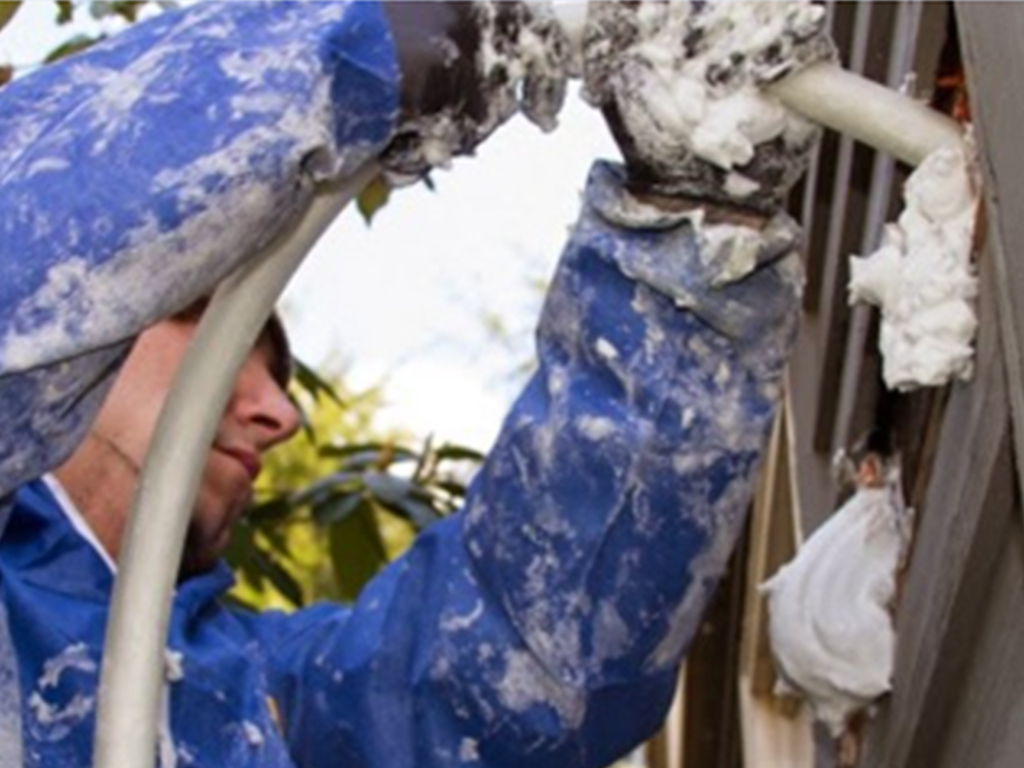
Drafty rooms and high energy bills are frustrating. Blown in wall insulation offers a practical solution without major wall demolition. This proven method fills existing wall cavities through small access holes, creating an effective thermal barrier that reduces air infiltration by up to 30%. At Reed’s Home Solutions, we’ll walk you through everything you need to know about blown in insulation walls—from installation to costs and long-term performance.
Benefits of Blown-In Cellulose Wall Insulation
Energy Efficiency and Cost Savings
Your heating and cooling systems work less when blown cellulose insulation creates a tight thermal envelope. The EPA estimates that about 90% of U.S. homes lack adequate insulation. Proper insulation can save you an average of 15% on heating and cooling costs.
Cellulose delivers R-values of 3.1 to 3.7 per inch, providing thermal resistance in both warm and cold climates. Studies show cellulose can lower energy bills 20 to 30% more than fiberglass. Your investment returns accumulate over years of reduced energy consumption, with consistent indoor temperatures that minimize drafts.
Superior Air Sealing Properties
Blown in cellulose insulation conforms to spaces within your walls better than alternatives, filling small gaps and irregular areas. University of Colorado testing showed cellulose increased air tightness by 74% over uninsulated buildings—significantly better than fiberglass at 41%.
Soundproofing Advantages
Dense cellulose fibers absorb sound waves traveling through walls. The fibrous structure traps air pockets that convert sound energy into heat through friction, reducing noise from outside sources and between rooms for a quieter indoor environment.
Noise Reduction Coefficient measures material sound absorption within spaces. Cellulose products achieve NRC ratings of .80 or higher depending on wall design, meaning cellulose absorbs 80% or more of sound it contacts. Sound Transmission Class measures how structures block sound transfer between spaces. Cellulose may achieve STC ratings as high as 70 in well-designed wall assemblies.
Research from the North American Insulation Manufacturers Association confirms cellulose provides superior sound attenuation compared to fiberglass batts of equal thickness. Exterior wall insulation reduces outside sound power by 60%. Blown in insulation walls can reduce indoor noise levels by 50% or more when properly installed.
Fire Safety and Treated Materials
Blown cellulose insulation earns a Class 1 Fire Rating, placing it among the most fire-resistant building materials. Borate-based fire retardants applied during manufacturing reduce combustibility significantly. Cellulose chars rather than ignites when exposed to flames, creating a protective barrier that slows fire spread.
Testing by the Canadian National Research Council revealed cellulose-insulated wall assemblies outperformed similar walls containing fiberglass and rock fiber insulation. The same borate treatment providing fire protection also deters insects and rodents while preventing mold growth.
Trees function as major carbon sinks on the planet. Paper content in cellulose has carbon from trees used to create that paper. This carbon gets trapped in your walls for the structure’s lifetime, turning insulated homes into mini carbon sinks. Regional production facilities mean shorter shipping distances, lowering fuel emissions. Professional installers recover and reuse cellulose on-site, leaving almost no excess material for landfills.
Long-Term Durability
Oak Ridge National Laboratory studies show cellulose performance remains stable even at very cold temperatures, making blown in cellulose insulation one of the best choices for homes in colder climates. Cellulose maintains its insulating properties throughout your home’s lifetime when installed correctly.
Dense-pack installation in wall cavities prevents settling that can reduce performance over time. Professional installers account for natural settling by overfilling material to ensure it retains intended R-value. At installation densities of 2-3 pounds per cubic foot in walls, cellulose delivers R-values of 3.5 to 3.6 per inch. This thermal resistance continues performing for 20 to 30 years depending on environmental conditions and maintenance.
Common Questions About Blown In Insulation for Existing Walls
Homeowners considering blown in wall insulation often have practical questions about the process and long-term performance. These answers address the most common concerns based on installation standards and material characteristics.
Do You Need to Remove Existing Insulation?
You don’t need to remove old insulation before adding blown cellulose insulation in most cases. Standard practice leaves existing material in place and blows new insulation to cover it. But check your old batts for signs of mouse nests or other critter activity. Remove the old material and clean thoroughly before you install new insulation if you find evidence of pests. Damaged insulation from moisture, flooding, or fire also requires removal before adding blown in cellulose wall insulation.
Will It Settle or Lose Effectiveness Over Time?
What Are The Moisture And Vapor Barrier Requirements?
Blown cellulose insulation doesn’t require a separate moisture barrier in most climates. The material manages moisture better than alternatives. Cellulose contains borate compounds that resist mold and insects. The U.S. government certifies borate as safe for insulation applications. Proper installation and good ventilation keep your blown in cellulose insulation dry and effective for decades.
Best Time of Year for Installation?
Schedule Your Basement Spray Foam Estimate