Blown In Attic Insulation
You can reduce energy costs and improve year-round comfort by upgrading your home with blown in attic insulation. This loose-fill material fills irregular spaces and hard-to-reach areas in your attic, creating a thermal barrier that keeps conditioned air where it belongs. Whether you’re considering blown in cellulose attic insulation, blown in fiberglass attic insulation, or other options, understanding the benefits and installation process helps you make an informed decision.
What is Blown In Attic Insulation?
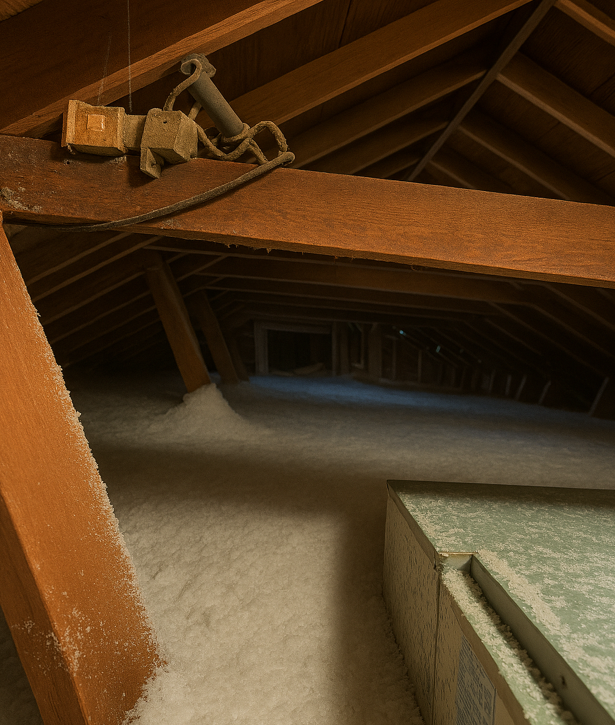
Blown in attic insulation consists of loose particles installed using a specialized blowing machine. The machine forces the insulation material through a long hose directly into your attic space, where it spreads across the floor and conforms naturally to irregular shapes and obstructions.
Most installations require a two-person crew. One technician positions the hose in the attic and directs the material flow to ensure even coverage. The second operates the blower machine, feeding bags of material into the hopper and adjusting air pressure to maintain proper flow.
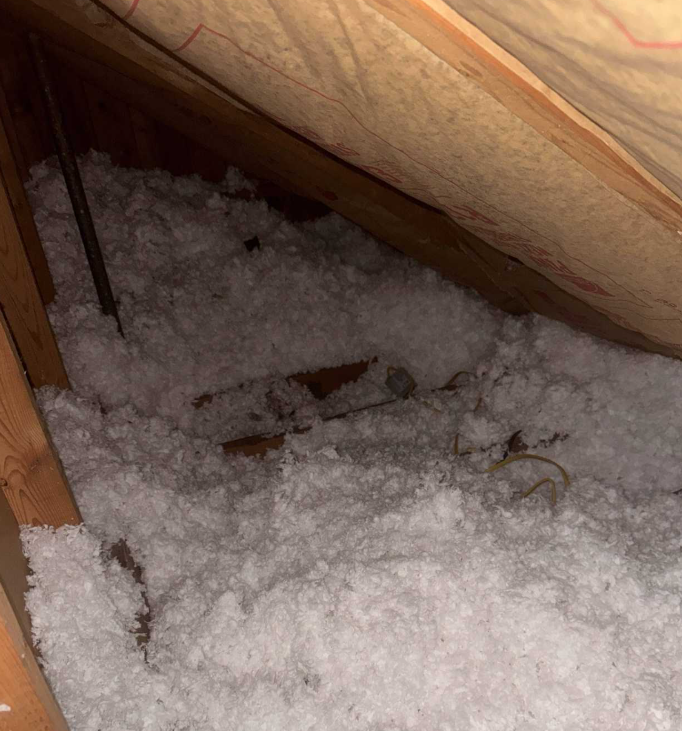
Two materials dominate the market. Cellulose insulation is manufactured from recycled paper products treated with borate compounds for fire, mold, and pest resistance. Fiberglass blown insulation uses fine glass fibers that create a lighter, fluffier product. Both materials deliver R-values in the 3 to 4 per inch range.
Benefits and Drawbacks for Blown Insulation in Attics
Energy Efficiency Improvements
Homeowners save an average of 15% on heating and cooling costs through air sealing and blown-in attic insulation. EPA estimates show this translates to approximately 11% reduction in total energy costs. Geographic location affects actual savings, with northern climate zones seeing higher returns than southern regions.
Climate zone data reveals specific savings potential. Northern zones 7 and 8 achieve 18% to 19% savings on heating and cooling costs, while zone 6 reaches 18% savings. Mid-range zones 4 and 5 see 16% to 17% reductions. Southern zones 2 and 3 experience more modest improvements of 9% to 14% respectively.
The return on investment timeline proves attractive. Properly insulated attics represent one of the highest ROI improvements you can make to your home. Many homeowners recoup their costs in as little as one to two years. Your HVAC system operates less when blown insulation maintains consistent indoor temperatures, reducing strain on equipment and extending its operational lifespan.
Quick Installation Process
Installation speed distinguishes blown-in attic insulation from other modernization methods. A crew can install insulation in a 1,000-square-foot attic in just a few hours with minimal disruption to existing structures.
The high-pressure blower system provides even distribution throughout the target area. Insulation settles into every crack, gap, and void that traditional batt insulation might miss. Results start working right after installation, with many homeowners noticing temperature improvements within days.
Coverage of Irregular Spaces
Loose material conforms to irregular spaces and creates a continuous thermal barrier. Material flows around obstacles like joists, wiring, and framing to create complete coverage.
Hard-to-reach attic areas present no challenge for blown products. The long hose injects material into spaces where full access is unavailable, eliminating the need to cut into ceilings. Every corner receives insulation material without leaving gaps. This proves valuable in older homes where attic spaces have unusual shapes or existing structures that make traditional insulation difficult to install.
Settling Over Time
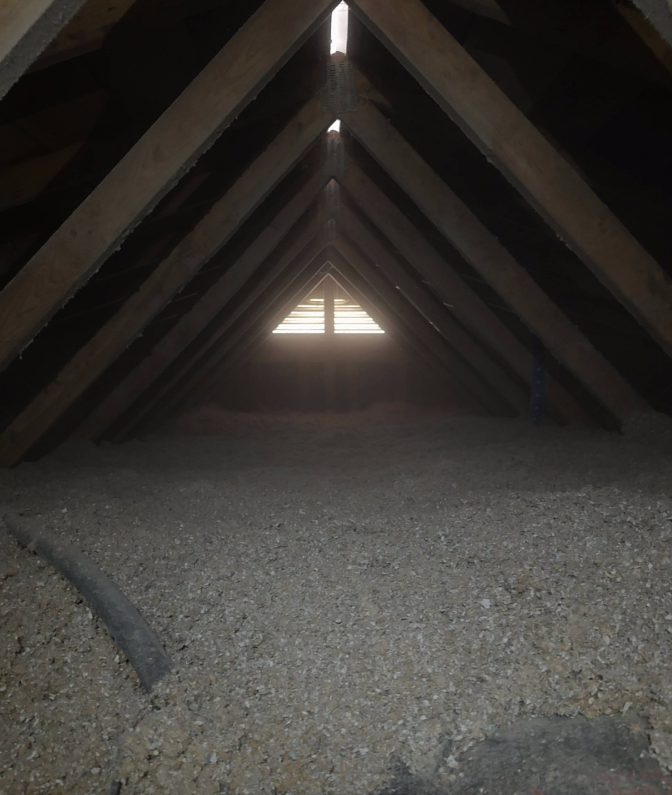
All blown in attic insulation settles to some degree after installation. Blown insulation should last between 10 to 20 years before experiencing noticeable settling when installed correctly. Settling is inherent to blown-in products whatever material you choose.
Your attic loses insulation performance as the R-value decreases when blown insulation settles. Properly installed loose-fill fiberglass settles 1% to 3% in the first year. Cellulose compacts more than fiberglass due to its higher density. Professional installers compensate for minor settling by applying material at higher depth during the original installation.
Moisture Considerations
Blown in attic insulation absorbs moisture readily when exposed to water and leads to severe settling and loss of effectiveness. Proper ventilation proves critical to prevent moisture buildup in attics. Adequate intake and exhaust vents allow proper airflow and keep air circulating to prevent condensation.
Sealing air leaks before installation stops the movement of moisture-laden air into your attic. Insulation regulates temperature properly and prevents moisture-related damage to wooden beams, drywall and roofing materials.
Contact Reed's Home Services for Your Blown In Attic Insulation Project
Reed’s Home Services provides expert blown in attic insulation throughout WV, VA, TN, OH, and KY. Contact us today for your free inspection.
Your insulation choice depends on your specific requirements and budget. Each material option provides distinct advantages for stopping heat transfer and creating a more comfortable living environment.
Contact Reed’s Home Services for qualified blown in attic insulation throughout WV, VA, TN, OH, and KY. Take advantage of our free estimates to explore solutions tailored to your climate zone and budget requirements.